Archaeo-Histories · @archaeohistories
732 followers · 1365 posts · Server ohai.social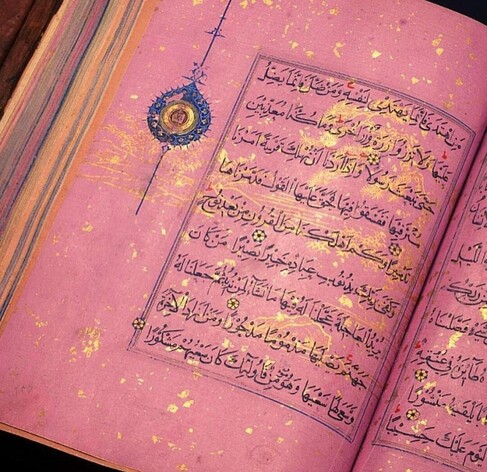
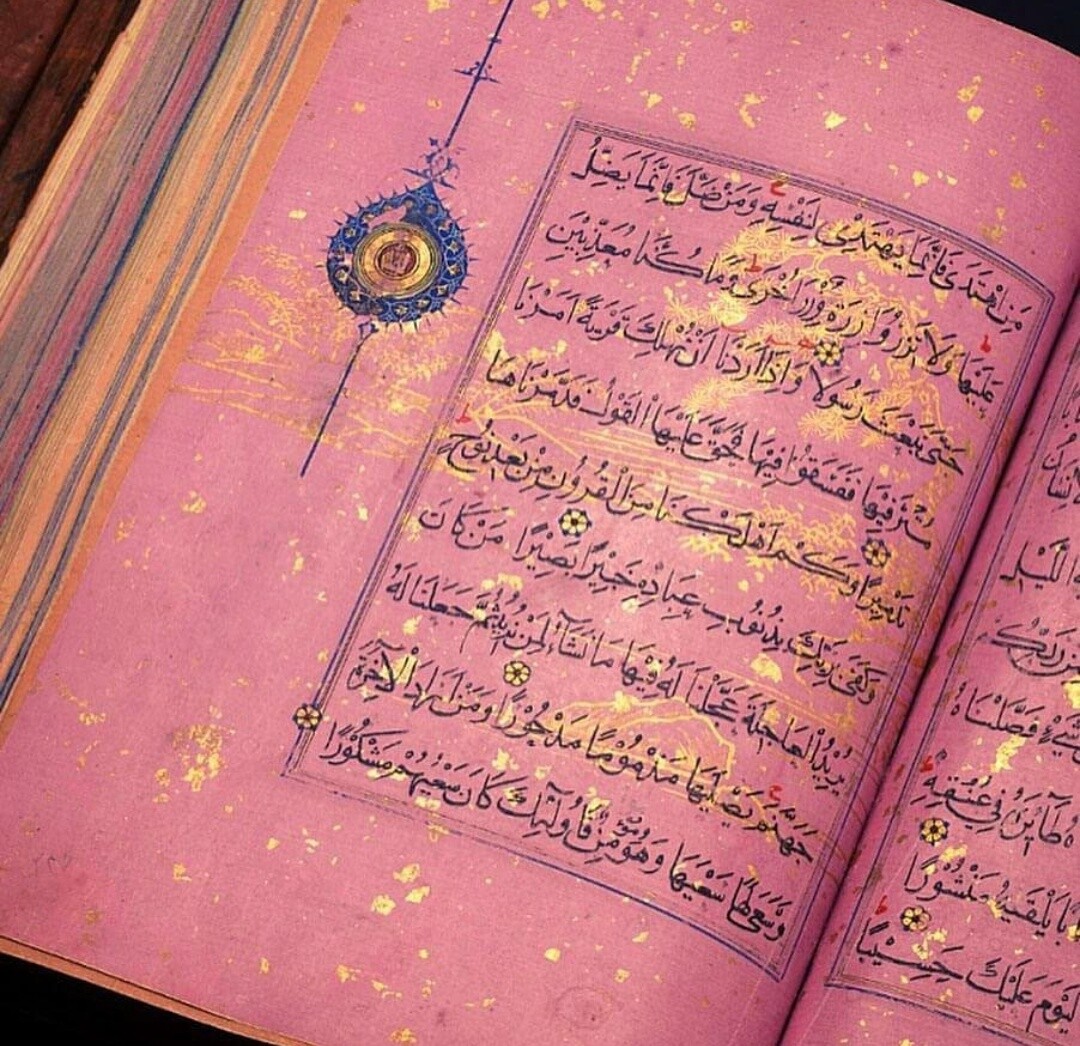
A 15th Century CE; Timurid or Aqquyunlu Qur'an, written on a rainbow range of Ming Chinese Paper, sold for £7 million at Christie's Auction, in London, last year.
Only four Qur'ans like it exists in the world, evidence of trade between these great empires.
#archaeohistories #islamicarchaeohistories

Islamic Archaeo-Histories · @islamicarchaeohistories
122 followers · 308 posts · Server ohai.social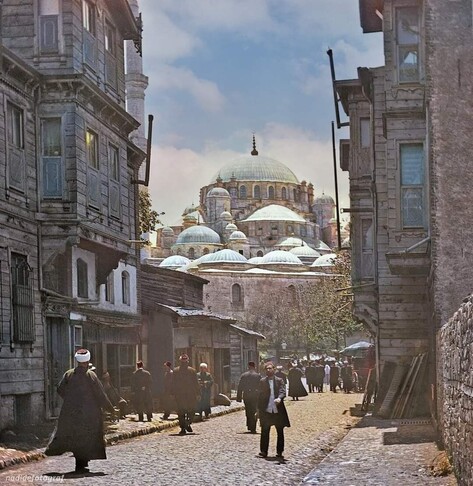
An Ottoman illustration of Fatih Mosque, Istanbul; 1905 CE.
© Ottoman Archives
Islamic Archaeo-Histories · @islamicarchaeohistories
122 followers · 307 posts · Server ohai.social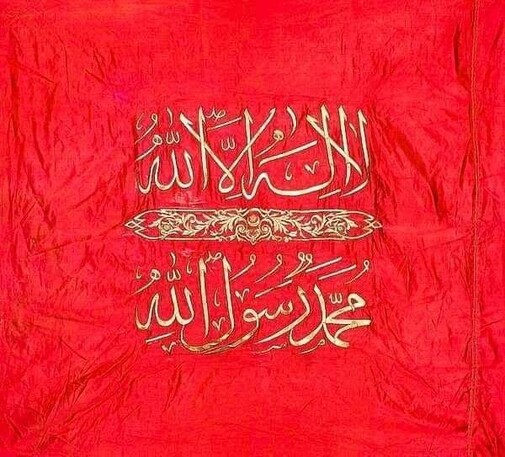
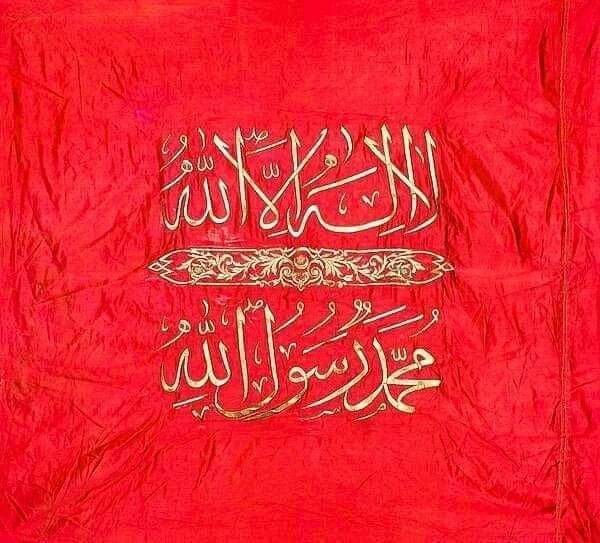
Ottoman Regiment flag (Sanjak); dated early 19th Century CE.
Topkapı Palace Museum
Islamic Archaeo-Histories · @islamicarchaeohistories
122 followers · 306 posts · Server ohai.social
"If there is a cat in front of the door of house, it means good people live in that house"
Turkish Proverb
Islamic Archaeo-Histories · @islamicarchaeohistories
116 followers · 305 posts · Server ohai.social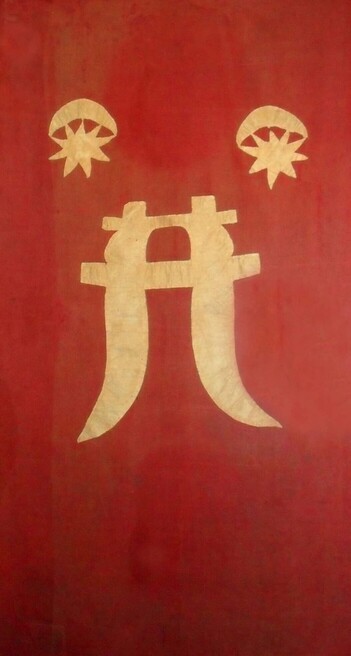
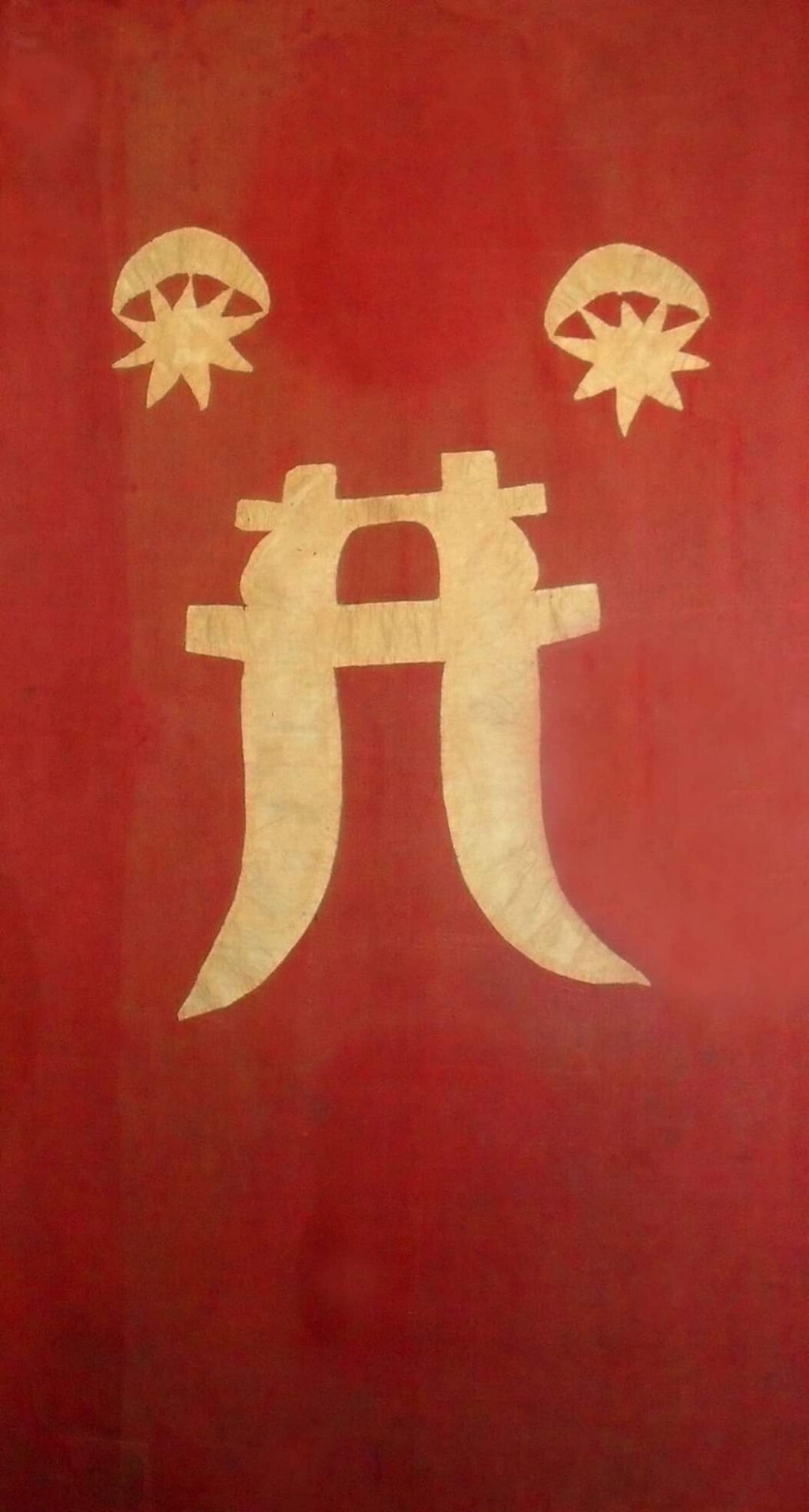
Flag of Aceh Dar-us Salaam Sultanate, 1916 CE.
Islamic Archaeo-Histories · @islamicarchaeohistories
116 followers · 303 posts · Server ohai.social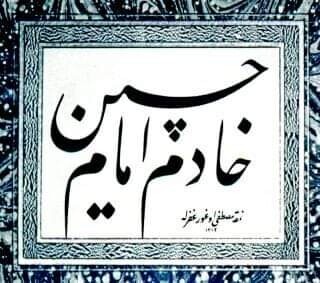
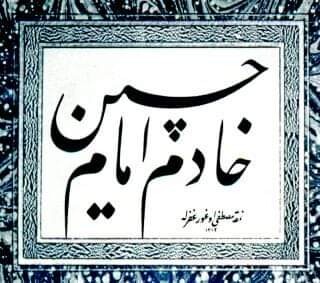
A sign with "Khadimi Imam Hussain" written in Ottoman Calligraphy.
Calligrapher M. Uğur Derman
Islamic Archaeo-Histories · @islamicarchaeohistories
116 followers · 302 posts · Server ohai.social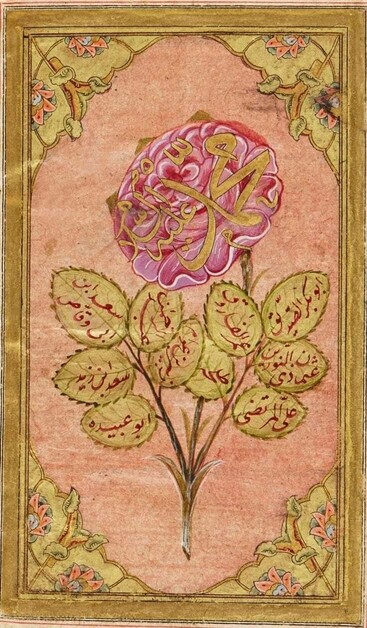
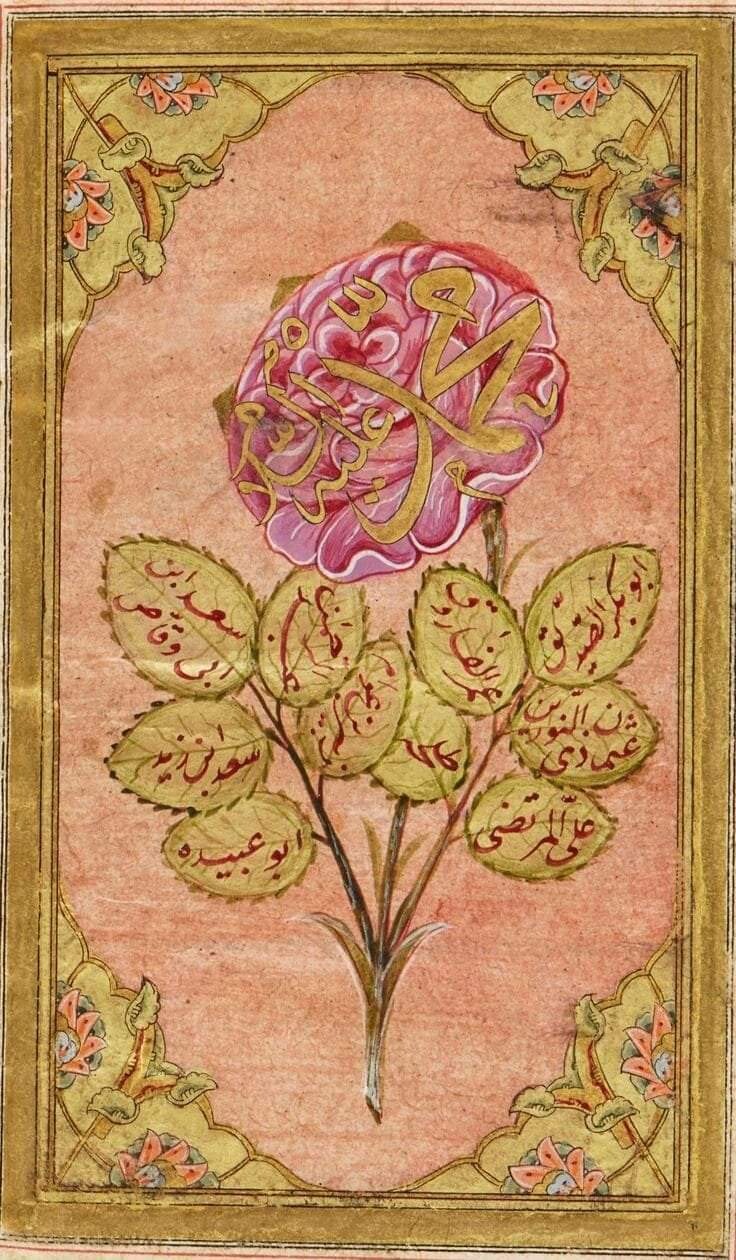
A 18th Century CE, Ottoman Calligraphy Panel, by Calligrapher Seyyid Mustafa al-Zihni, from İstanbul, Türkiye.
Topkapı Palace Museum
Islamic Archaeo-Histories · @islamicarchaeohistories
116 followers · 301 posts · Server ohai.social
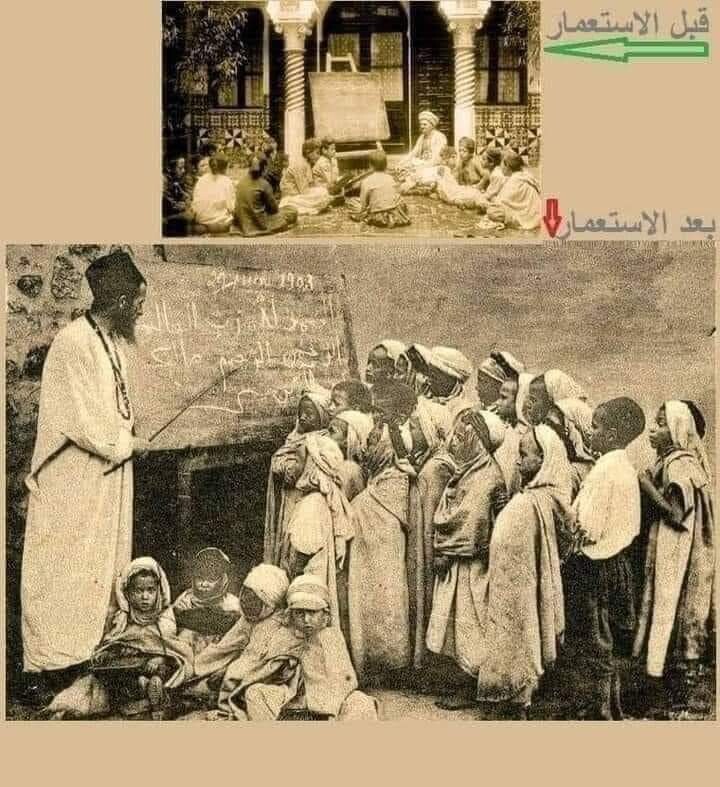
The German traveler Georg Wilhelm Schemper says upon his visit to Algeria in the year 1831 AD:
“I deliberately searched among the population in the cities of Algeria for one person who was ignorant of reading and writing, but I did not find him, while I found that in the countries of southern Europe, as one rarely encounters there anyone who can read among the people.”
Islamic Archaeo-Histories · @islamicarchaeohistories
112 followers · 300 posts · Server ohai.social
Illustration of Al Hakim Mosque, Cairo, Egypt; by Vincenzo Marinelli (1820-1892 CE).
Mosque was named after Al-Hakim bi-Amr Allah (985–1021 CE), 6th Fatimid caliph and 16th Ismaili Imam. Construction started by Caliph al-'Aziz, son of al-Mu'izz and father of al Hakim, in 990 CE. It was completed in 1013 CE by al-Hakim.
Vincenzo Marinelli was an Italian painter, known best for his Orientalist canvases based on his travels in Greece, Crete, Egypt, and Sudan.
Islamic Archaeo-Histories · @islamicarchaeohistories
112 followers · 299 posts · Server ohai.social
The Rüstem Pasha Mosque, İstanbul, Türkiye.
It was designed by Ottoman imperial architect Mimar Sinan for the Grand Vizier Rüstem Pasha. The structure was completed in 1563 CE.
Rüstem Pasha was the husband of Mihrimah Sultan, one of the daughters of Suleiman the Magnificent by Hurrem Sultan, and served as Grand Vizier (a role comparable to a European prime minister) from 1544 to 1553 CE and from 1555 to 1561 CE.
Islamic Archaeo-Histories · @islamicarchaeohistories
112 followers · 298 posts · Server ohai.social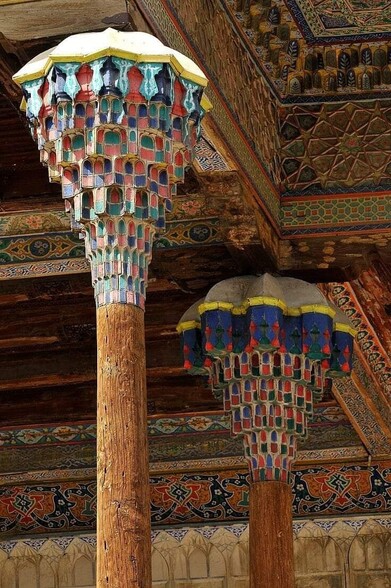
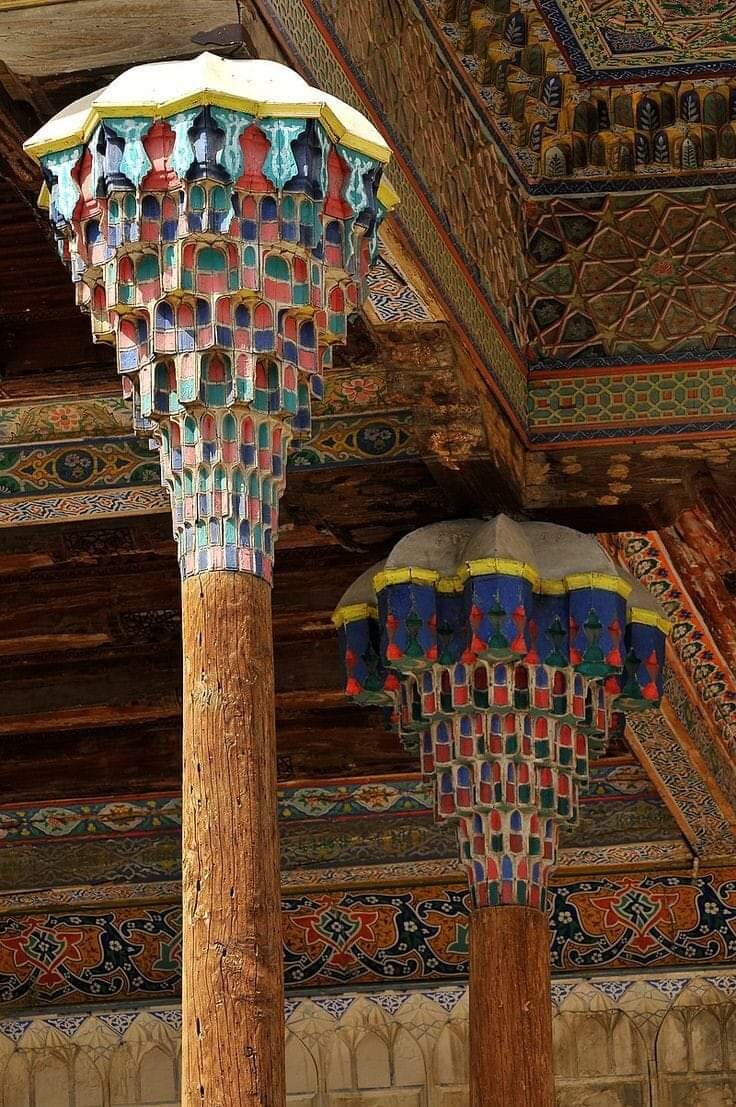
Bolo Haouz Masjid, a historical Mosque in Bukhara, Uzbekistan. Built in 1712 CE, on opposite side of citadel of Ark in Registan district, it is inscribed in UNESCO World Heritage Site list.
Masjid is one of most peaceful sites in Bukhara with its calming pond and elegant pillared facade. Bolo Hauz was built in 1712 CE, and is one of last buildings constructed before modern era. Building served as Friday masjid and Emir of Bukhara would often visit for Friday prayers.
Islamic Archaeo-Histories · @islamicarchaeohistories
112 followers · 296 posts · Server ohai.social
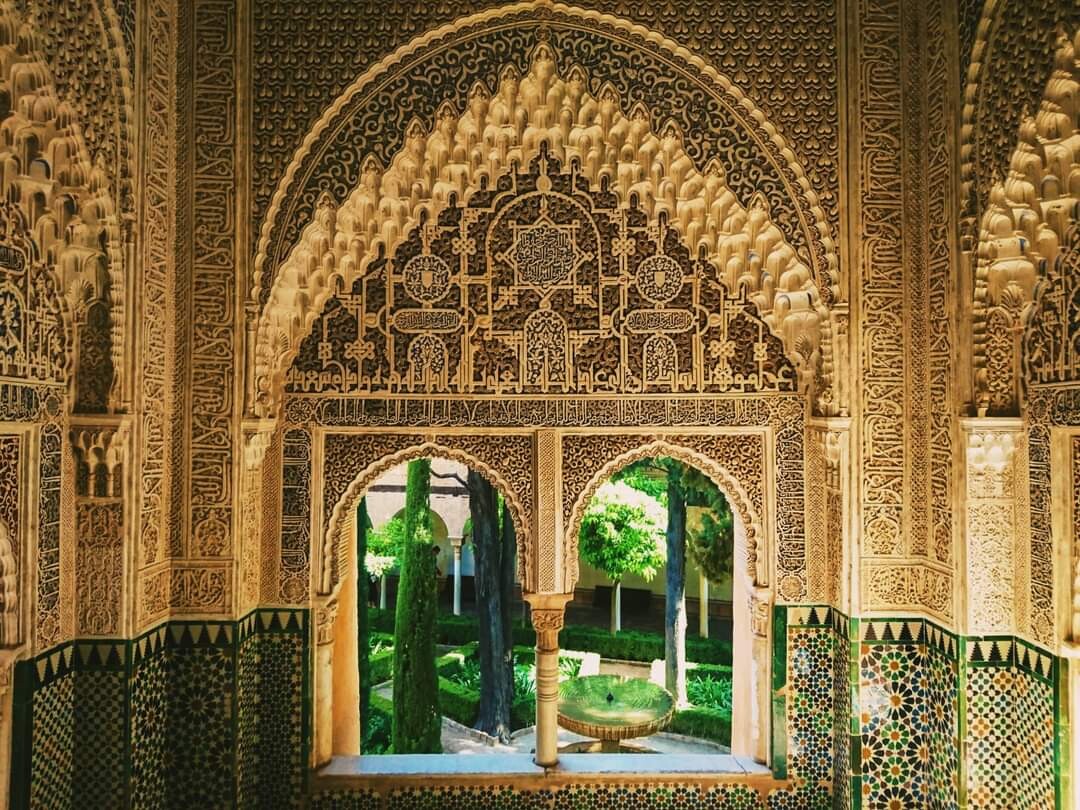
Alhambra Palace, Granada (Emirate of Granada), Spain. It was built during the reign of Mohammed V (second half of 14th Century CE) who was sultan of late medieval emirate of Granada, Spain.
The complex is now a UNESCO World Heritage Site.
Islamic Archaeo-Histories · @islamicarchaeohistories
112 followers · 295 posts · Server ohai.social
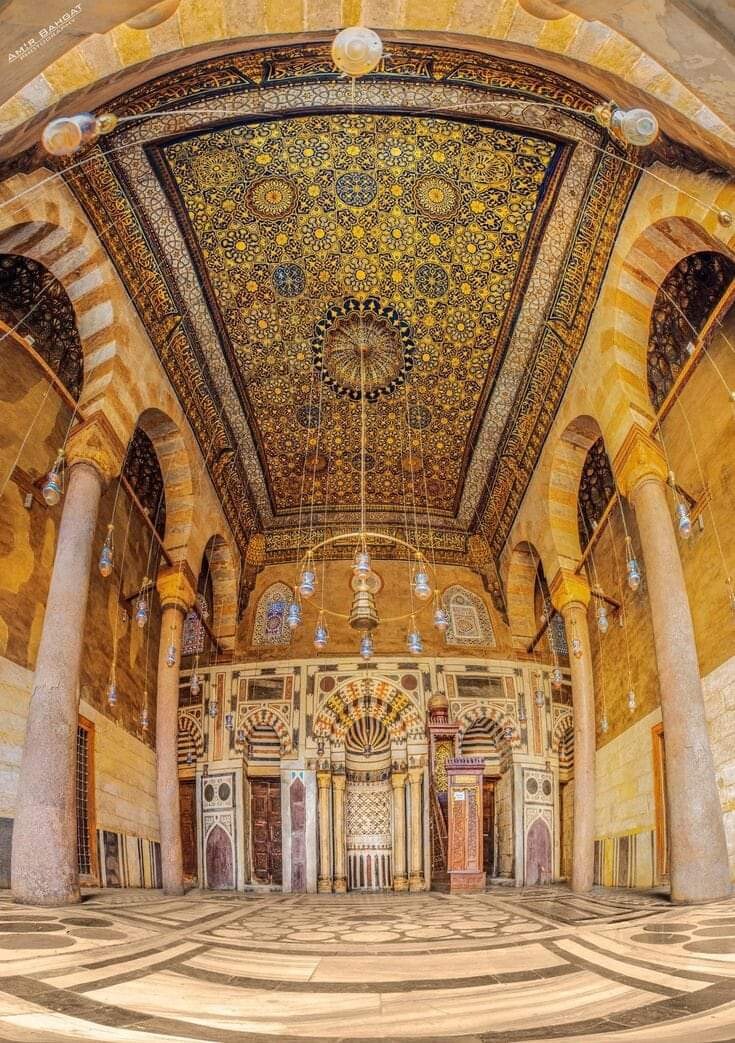
Masjid -Madrasa of Sultan Barquq or Mosque-Madrasa-Khanqah of Az-Zaher Barquq, a religious complex in Cairo, Egypt.
It was commissioned by Sultan al-Zahir Barquq as a school for religious education in four Islamic schools of thought, composed of masjid, madrasa, mausoleum and khanqah.
Complex was constructed in 1384-1386 CE (786 to 788 AH), with dome added last. It was first architectural facility built during time of Circassian (Burji) dynasty of Mamluk Sultanate.
Islamic Archaeo-Histories · @islamicarchaeohistories
112 followers · 293 posts · Server ohai.social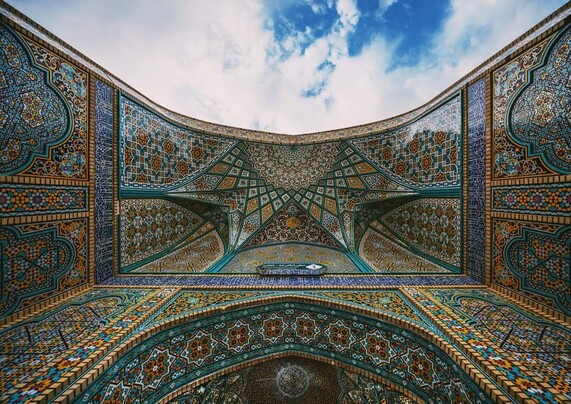
Shrine of Fatima in Qom, Iran.
Details of towers of sanctuary in sacral geometry. One of most important sacred cities in Shia Islam, Qom is also home to monument to brother of Imam Reza (eighth), quasi-saint Fatima Masumeh.
Fatima's shrine, which enjoys a considerable reputation worldwide as one of most important Shiite pilgrimage sites, with origins dating back to 9th Century CE. Small early shrine has undergone several rebuildings, notably in early 16th Century CE.
Islamic Archaeo-Histories · @islamicarchaeohistories
112 followers · 292 posts · Server ohai.social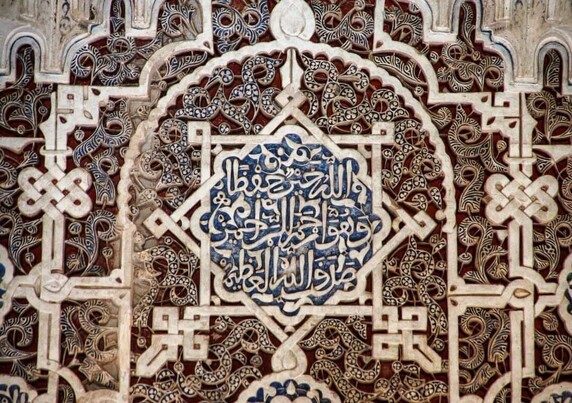
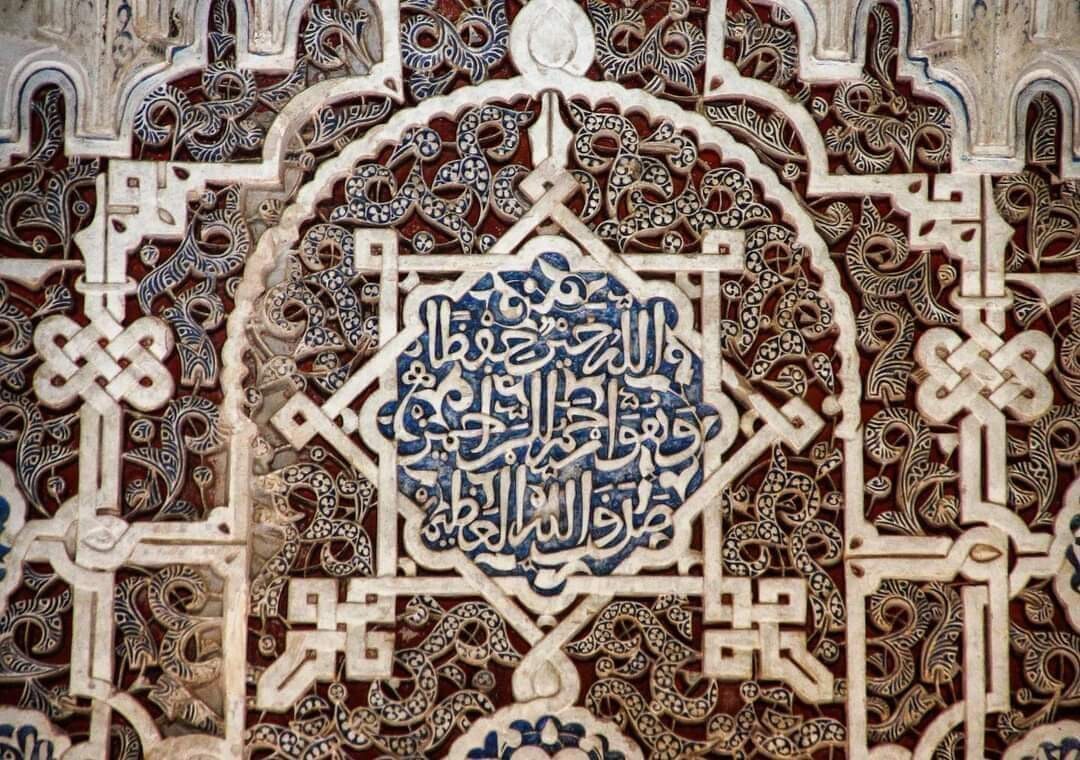
Quranic calligraphy text engraved in Alhambra Palace (1238-1358 CE); Emirate of Granada, Spain.
The text from Surat Yousof (Joseph) reads in Arabic:
"فَاللَّهُ خَيْرٌ حَافِظًا وَهُوَ أَرْحَمُ الرَّاحِمِينَ. صدق الله العظيم"
Meaning in English:
"Allah is the Best Protector, and He is the Most Merciful of the merciful. Allah Almighty has spoken the truth"
Islamic Archaeo-Histories · @islamicarchaeohistories
110 followers · 291 posts · Server ohai.social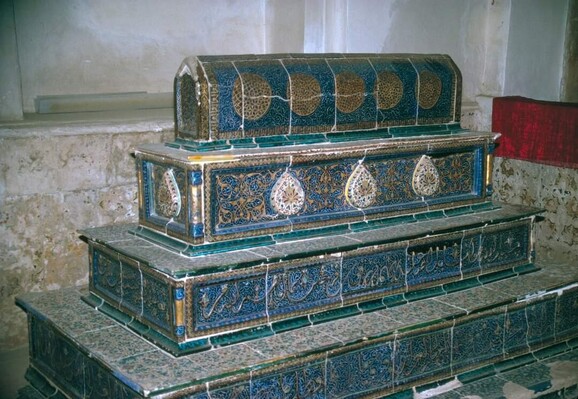
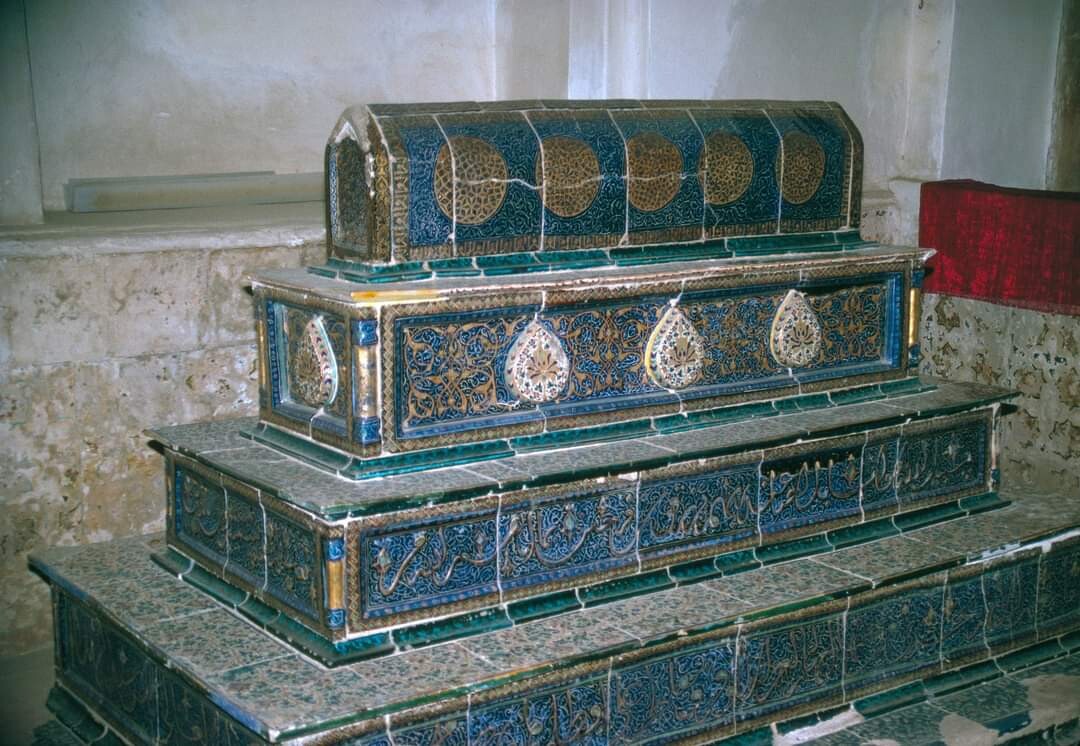
The resting place of the companion, Qutham Ibn 'Abbas, a cousin of the Prophet (ﷺ) at Samarkand, Uzbekistan.
After the conquest of Samarkand during the reign of Caliph Muawiyah, Qutham Ibn Abbas began to teach & propagate Islam to the locals.
His tomb is popularly known as Shah-i-Zinda or the living king. The tomb had been beautified by Amir Timur & his female relatives.
Islamic Archaeo-Histories · @islamicarchaeohistories
110 followers · 290 posts · Server ohai.social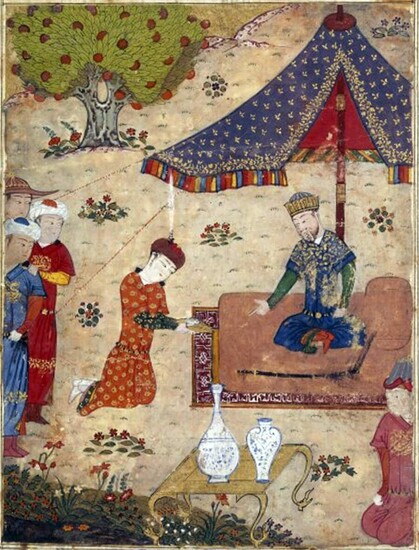
"The supreme being worthy of all praise, has by his grace & by the light of his direction for a long time & since our youth, caused us to know his divinity, to confess unity, to bear witness that Muhammad ﷺ is his Prophet".
Ahmed Tekuder Khan, the 3rd Ilkhanate Khan.
Islamic Archaeo-Histories · @islamicarchaeohistories
110 followers · 289 posts · Server ohai.social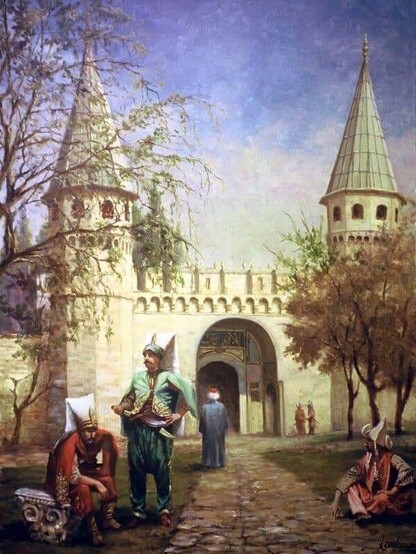
Topkapi Palace, İstanbul, Türkiye.
A total of 36 Sultans ruled the Ottoman Empire between 1299-1922 CE.
For many of these years, the Ottoman Sultan would live in the elaborate Topkapi palace complex in İstanbul, Türkiye.
It contained dozens of gardens, courtyards and residential and administrative buildings.
Islamic Archaeo-Histories · @islamicarchaeohistories
109 followers · 288 posts · Server ohai.social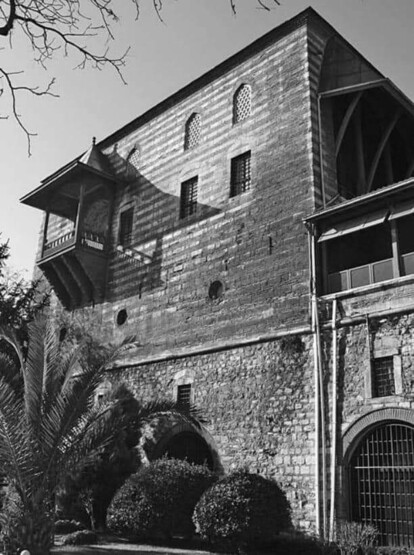
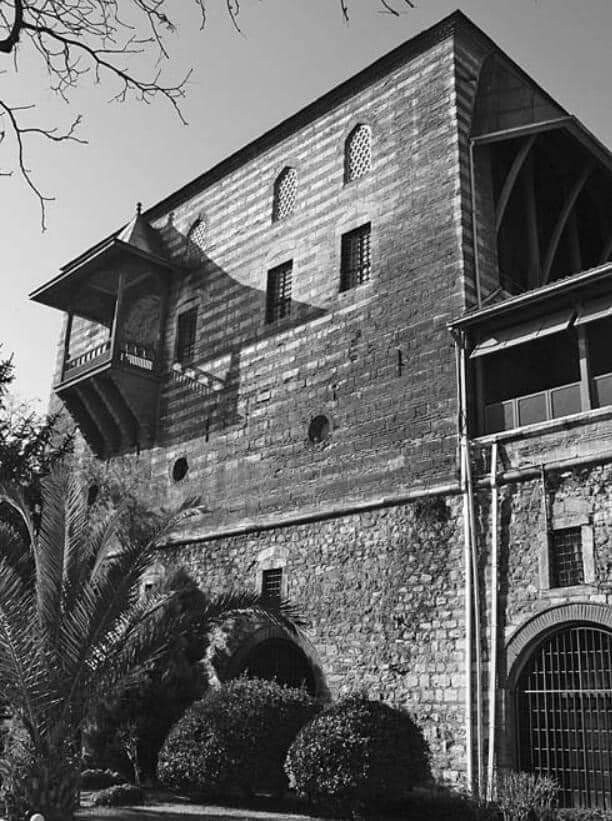
The palace of Ibrahim Pasha, the favorite grand vizier of Sultan Süleyman I, occupied a prime location on the Hippodrome of İstanbul, Türkiye.
The Hippodrome was the main ceremonial space
of the Ottoman capital, situated proximate to the Aya Sofya and the Topkapı Palace. The palace’s prime location signaled the importance and influence of Ibrahim Pasha.
Islamic Archaeo-Histories · @islamicarchaeohistories
109 followers · 287 posts · Server ohai.social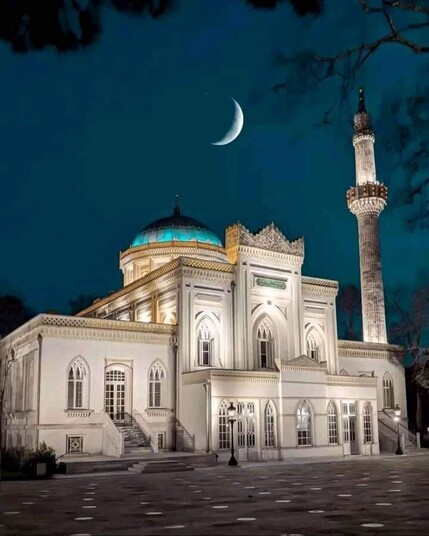






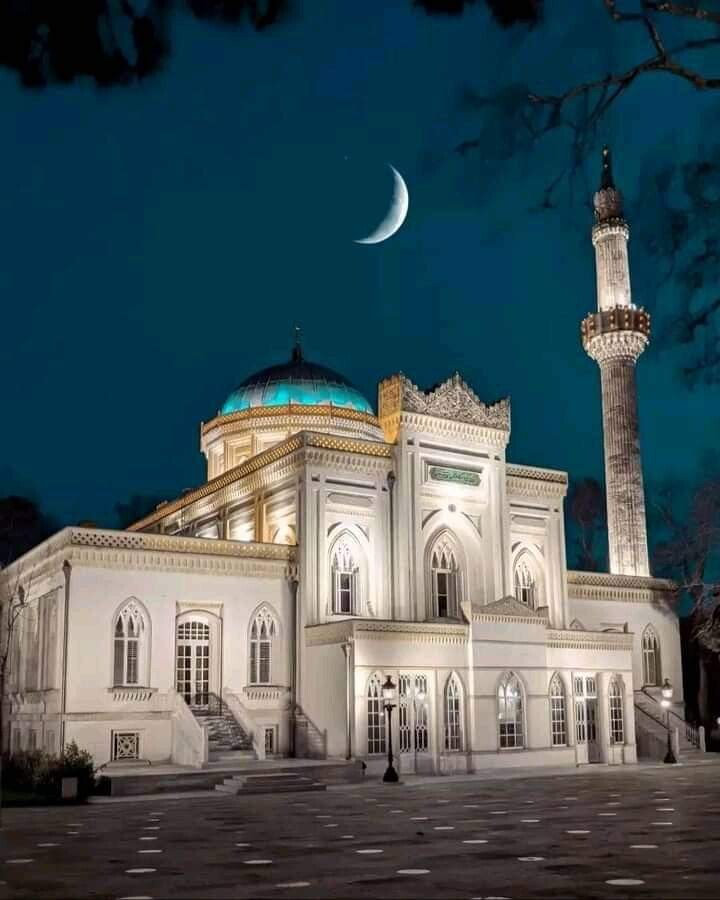
The Yıldız Hamidiye Mosque is an Ottoman imperial mosque in İstanbul, Türkiye. The mosque was commissioned by sultan Abdul Hamid II, and constructed between 1884 and 1886. This is the last imperial (salatin) Mosque of the Ottoman Empire.