This Is My Glasgow · @thisismyglasgow
443 followers · 260 posts · Server mastodon.scotThe dispensary closed in 1953 when its services were incorporated into the Royal Hospital for Sick Children in Yorkhill.
The building now remains as a reminder of a time when the dispensary was one of the few places where children from the poorer household of Glasgow could get treated for free before we had nationalised health care.
Let's hope we never need such places again.
#glasgow #sickchildrensdispensary #nhs #glasgowbuildings #architecture #hiddenglasgow #glasgowhistory
#glasgowhistory #hiddenglasgow #architecture #glasgowbuildings #nhs #sickchildrensdispensary #glasgow
This Is My Glasgow · @thisismyglasgow
443 followers · 259 posts · Server mastodon.scotThere was no entitlement or payment for treatment, just being a child and needing medical treatment was enough (remember this was in the days before the National Health Service).
It treated 4,167 children in its first year and by 1914, it was treating almost 14,000 kids a year. By the 1930s, it was probably treating upwards of 50,000.
#glasgow #sickchildrensdispensary #nhs #glasgowbuildings #architecture #hiddenglasgow #glasgowhistory
#glasgowhistory #hiddenglasgow #architecture #glasgowbuildings #nhs #sickchildrensdispensary #glasgow
This Is My Glasgow · @thisismyglasgow
443 followers · 258 posts · Server mastodon.scot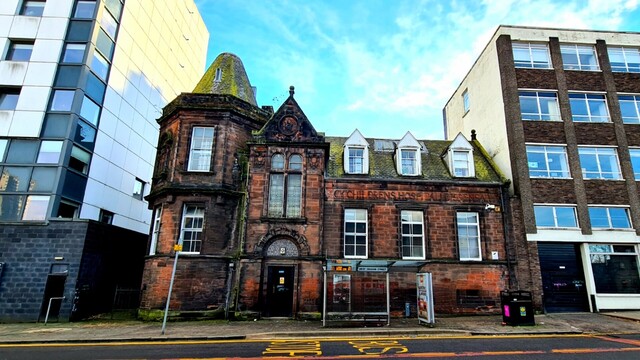
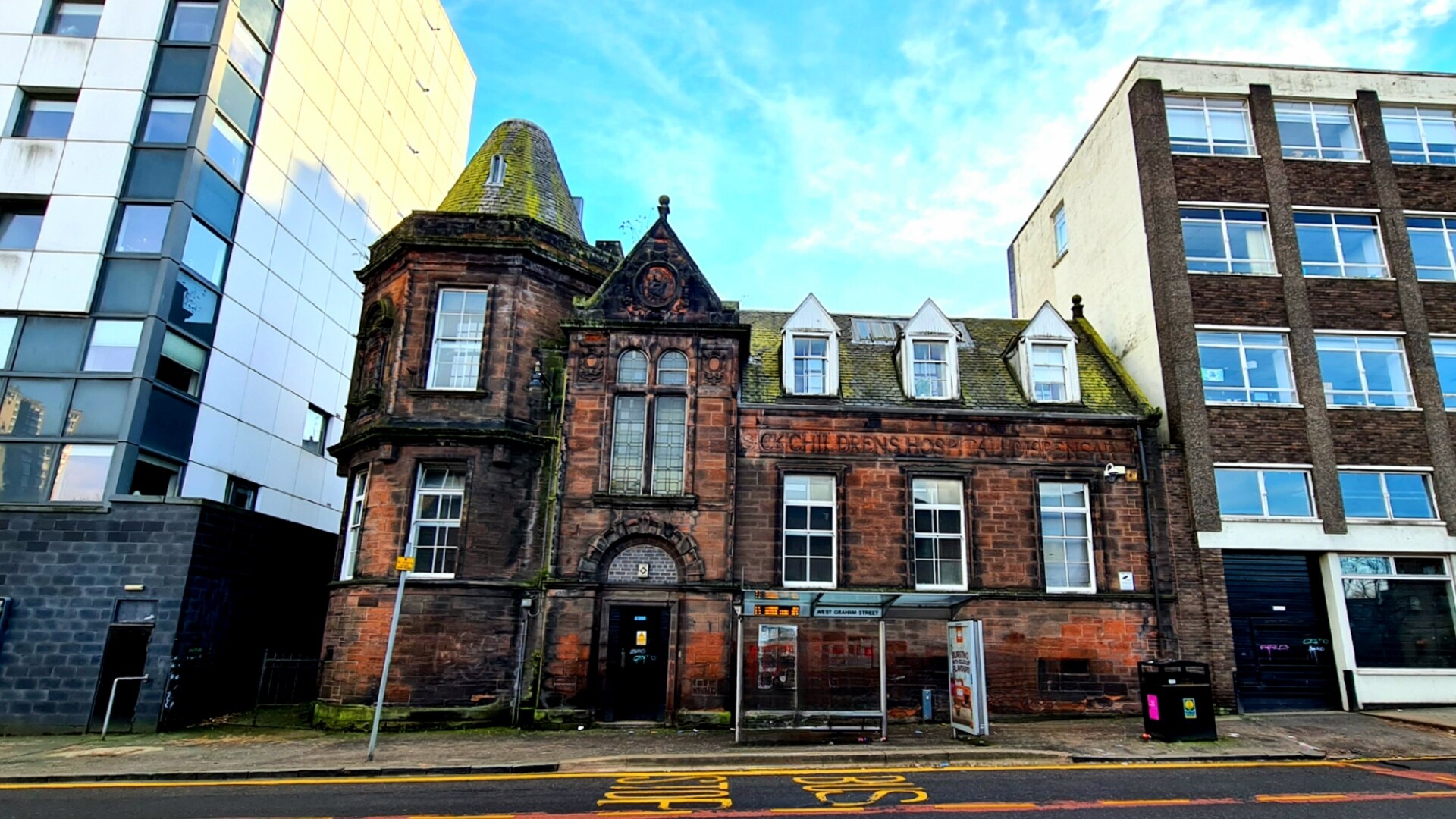
This odd little building, sandwiched between two much more modern ones on West Graham Street in Glasgow, has an interesting history.
As it says across the front, it was built in 1888 to house the sick childrens dispensary. Basically this was an out-patient and day patient clinc intended to treat as many children as possible without having to admit them to hospital.
#glasgow #sickchildrensdispensary #nhs #glasgowbuildings #architecture #hiddenglasgow #glasgowhistory
#glasgowhistory #hiddenglasgow #architecture #glasgowbuildings #nhs #sickchildrensdispensary #glasgow