
Jazmyn Oyster · @Jazmynoy
13 followers · 35 posts · Server mindly.social
There are two of these data entry screens. These screens allow plant personnel to enter up to 372 readings over a four month period.
Attention to detail is critical when working with RIN Credits.
#biomethane
#rin
#metpro
#thermaloxidizer
#airliquide
#Biomethane #rin #metpro #thermaloxidizer #AirLiquide

DomFourtune ✅ · @dfourtune
15 followers · 169 posts · Server toot.aquilenet.fr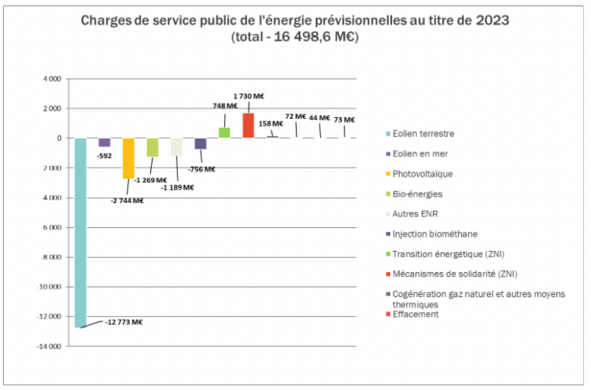

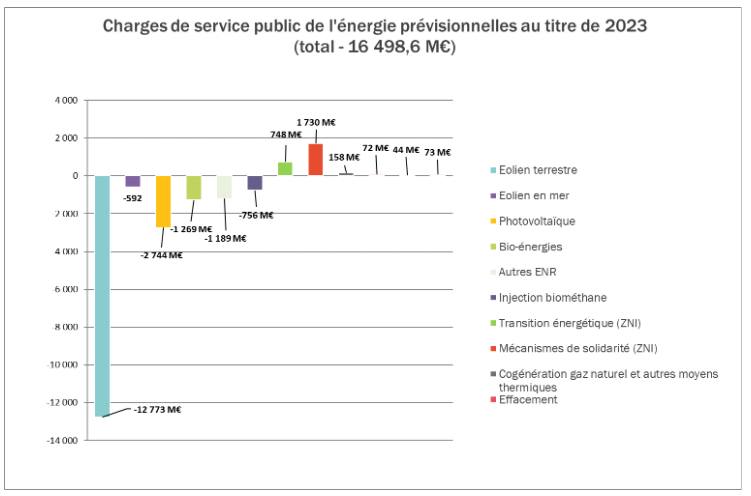
Production cumulée de #biométhane en France de 2012 à 2023 : 30 TWh. Economie pour la #CSPE : 251 M€. 756 M€ sur la seule année 2023, qui efface les années de #CSPE positive.
Source : compilation des rapports de la #CRE depuis 2012 + prévisions 2023
https://www.cre.fr/content/download/26322/file/221103_2022-272_CSPE_2023.pdf

Fabio Manganiello · @blacklight
533 followers · 584 posts · Server social.platypush.tech"#Biomethane" literally means "create methane from crops".
And I'm not sure, as a EU citizen, if this is something I'd like to see my money spent on - or, worse, actively incentivised.
Granted, we're likely to face a challenging winter, our gas supplies are likely to be slashed by at least 25% because of Russia. But is this a sufficient reason to actively incentivise plans that produce methane from crops?
Remember: methane is still a powerful greenhouse gas. On the short term, it captures 80% more heat than CO2. And producing methane from crops, unless the EU comes up with a viable solution to recycle wasted crops at scale in a short time, means to either use up more land, or take food away from somebody's plate. This is especially a bad idea in a time where tons of Ukrainian grain are still stuck on the Black Sea. And it's especially a bad idea if it's not also accompanied by a serious policy to create disincentives to red meat consumption - most of the crops that we grow don't end up in our bellies, but in the belly of a cow that we eventually eat.
So why are we even doing this? If it's really something for the short-term (read: "just for this winter, because this winter is gonna suck"), then can we at least clearly say "biomethane will only be funded as a TEMPORARY SOLUTION"?