
Robbie Rowe · @privateshufti
0 followers · 1 posts · Server ecoevo.social#1stPost on ecoevo.social, established account is @privateshufti@mastodon.social
Setting this up for my more professional activity as I plan on career switching over the next 3 years.
Looking to follow & interact with people working in the fields of #Ecology, #EcologicalMonitoring, #Conservation, #BiologicalRecording etc
#1stpost #ecology #EcologicalMonitoring #conservation #biologicalrecording

Jon Sullivan · @joncounts
927 followers · 2550 posts · Server mastodon.nz
I just did my annual NZ #GardenBirdSurvey. It ends tomorrow, so you've still got time if you've not done yours yet.
It's just one hour in your garden, tallying up the maximum number of each bird species you've got.
Were there any korimako/NZ bellbirds in our garden, you might ask? Why yes. At least six at once, and singing up a storm. Have a listen!
#gardenbirdsurvey #birds #birdcounts #EcologicalMonitoring
Jon Sullivan · @joncounts
905 followers · 2360 posts · Server mastodon.nz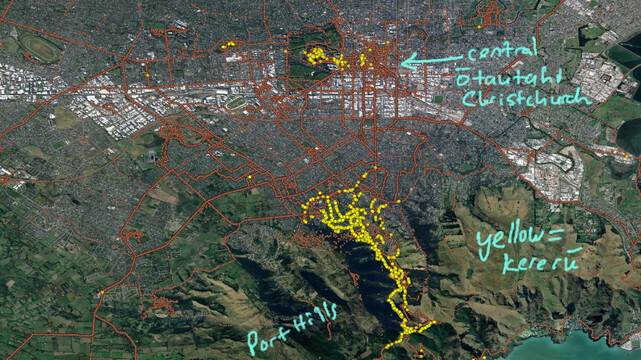
Today I hit another milestone in my journey to document nature in my city over my lifetime. After 4-months of R cranking overnight, AWS Transcribe finished transcribing my 833,788 audio notes from my latest 10 years of wild counts. That's 110,735 minutes (77 days) of recordings. Plus my typed observations, that's just pushed me past 1.7 million observations. I've now got serious data cleaning ahead of me before I can release all the data.
Here's a quick taste.
#EcologicalMonitoring #wildcounts
Jon Sullivan · @joncounts
884 followers · 2232 posts · Server mastodon.nz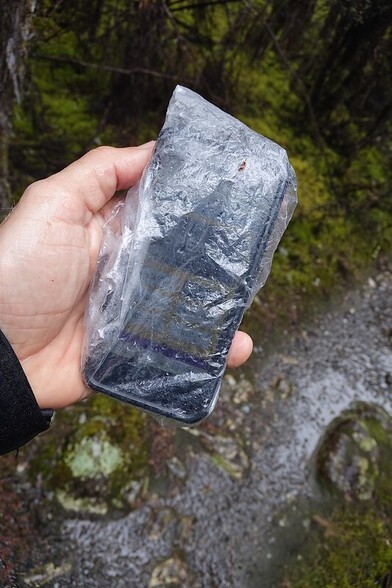
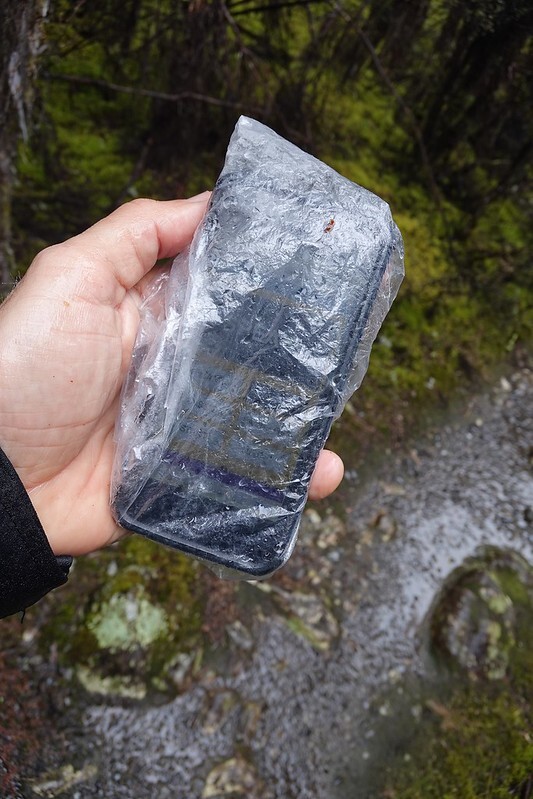
I just uploaded a short article to my WildCounts website about how I count the wild in the rain on an iPhone. I put the phone in a plastic bag, while it's still dry, and then I can reliably tap the screen to start and stop my geotagged and timestamped audio recordings.
Modern smart phones are more water proof and sometimes sort-of-work when wet. The plastic bag trick works a treat always, even with the older phones.
https://wildcounts.org/blog/2018/06/02/How-to-count-the-wild-on-a-smart-phone-in-the-rain
#wildcounts #EcologicalMonitoring
Jon Sullivan · @joncounts
883 followers · 2214 posts · Server mastodon.nzHere's one audio note from a bike ride: "four starlings mid to the west seen then call they flew north off the Burns Building and also five pigeons mid to the west on the Burns Building"
That's my last note transcribed by #AWS Transcribe. I'm in NZ so starlings are Sturnus vulgaris and pigeons are Columba livia. "Mid" means 20–80 m away. "And also" separates two species observations.
#EcologicalMonitoring is *super-easy* for all species that are quick to spot and easy to identify!
#aws #EcologicalMonitoring #wildcounts
Jon Sullivan · @joncounts
883 followers · 2213 posts · Server mastodon.nz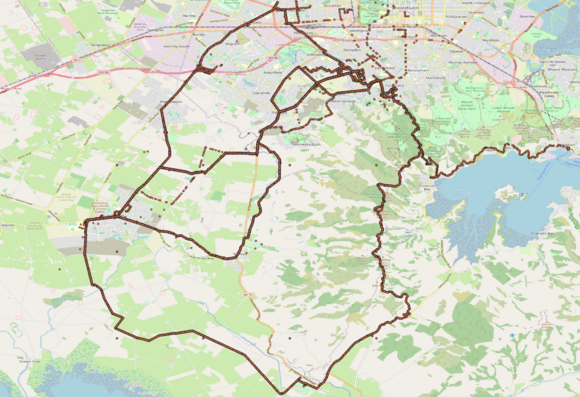
Last night I passed another milestone on my long journey to document the changes in nature around me. #AWS Transcribe completed *all* my geotagged and timestamped audio notes from all my bike commutes to and from work. With my weekend runs, that makes 760,840 audio notes transcribed. That's plus 748,707 notes I've typed in over the past 20 years, taking me past 1.5 million. I've got over 500 more trips to transcribe, plus lots of data cleaning still to do.
#aws #wildcounts #nz #EcologicalMonitoring
Jon Sullivan · @joncounts
854 followers · 1585 posts · Server mastodon.nz
I'm getting there!
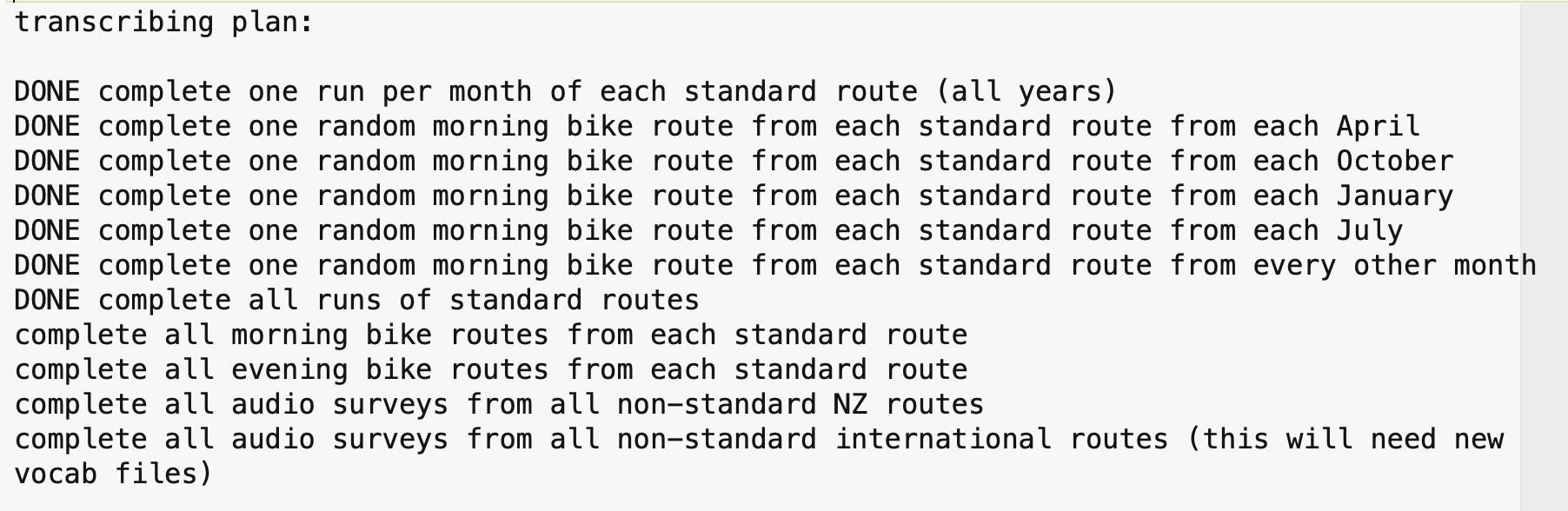
Today I passed a big milestone: I completed transcribing *all* 282,408 audio notes from my weekly biodiversity runs, which I started back in July 2008. Woot!
Now I'm into finishing off my notes from my daily bike rides to work (a route I started recording 20-years ago in March 2003.)
It's all coming together. I'm getting excited about finally pulling together the trends to show everyone, and sharing my cleaned data.
#EcologicalMonitoring #wildcounts #awstranscribe
Jon Sullivan · @joncounts
848 followers · 1545 posts · Server mastodon.nz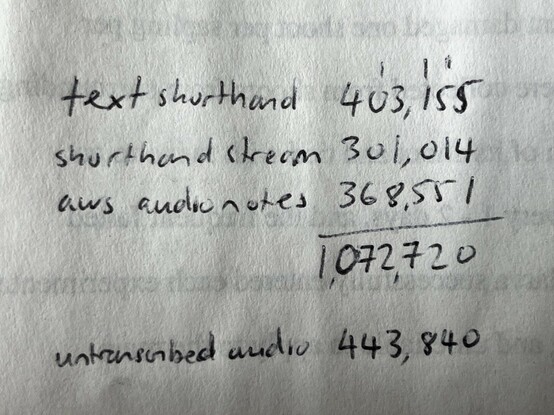
I passed a milestone this week: **1 million** nature observations in text format.
I'm almost halfway into transcribing my audio notes from my ecological surveys from the past 20 years. While there's data cleaning to do, I can finally see the day coming when I can share it all!
Here's an example AWS Transcribe just processed:
"two monarchs near out left close visiting flowers of a horse chestnut" (17 October 2019, 3:21:36 PM, -43.568987, 172.612719)
#wildcounts #EcologicalMonitoring #nz
Jon Sullivan · @joncounts
844 followers · 1536 posts · Server mastodon.nz
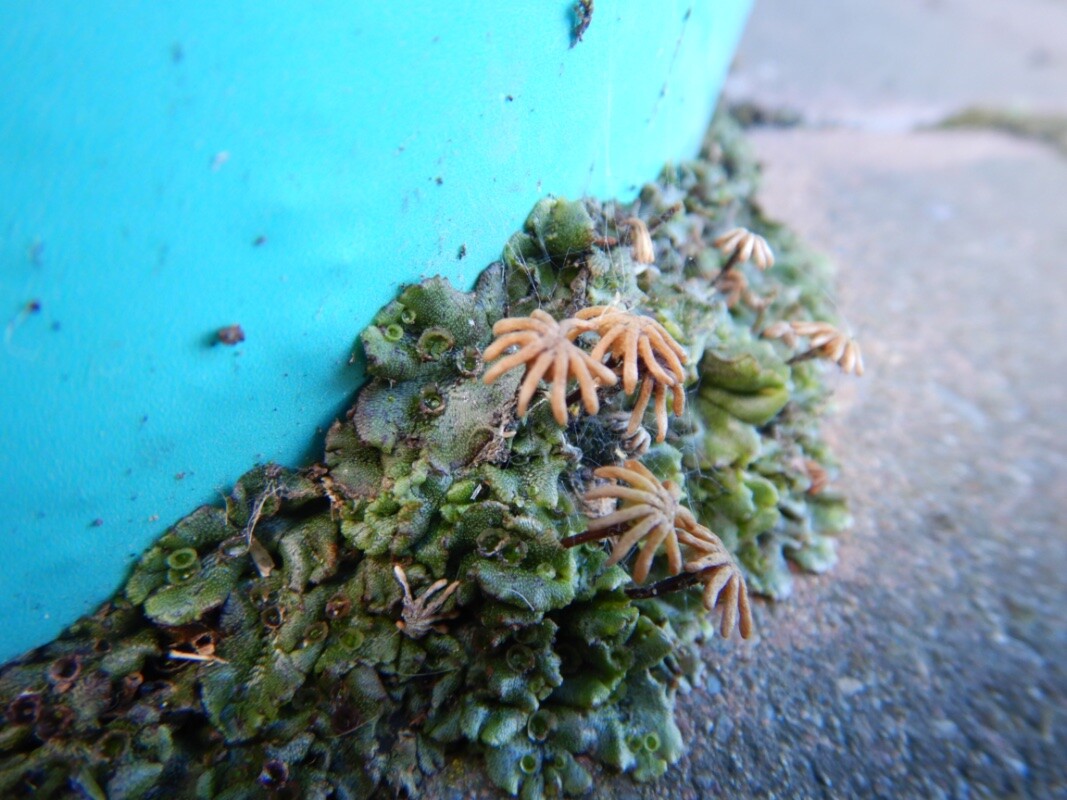
Here are some plants I saw along my monthly biodiversity run into the centre of Ōtautahi-Christchurch, NZ.
Liverworts were growing by the footpath on High Street, holly trees are in full fruit (I map out all holly each April, as they spread through the city), a protrate kowhai was in flower, and there's South African boneseed seedlings on Hollis Ave. Boneseed has been spreading up from Bowenvale and into Cashmere hills gardens.
#wildcounts #EcologicalMonitoring #aotearoa #nz #nature
Jon Sullivan · @joncounts
844 followers · 1535 posts · Server mastodon.nz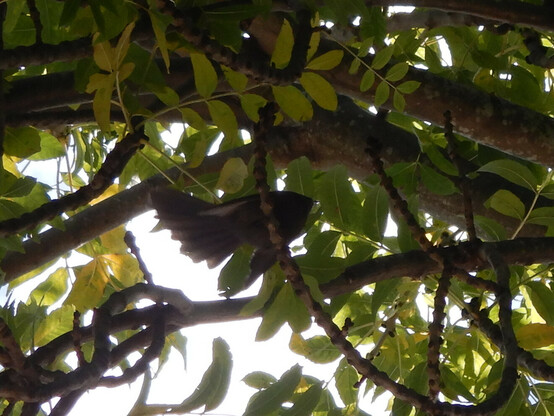
Here are some more things I saw on my Ōtautahi centre city biodiversity run today.
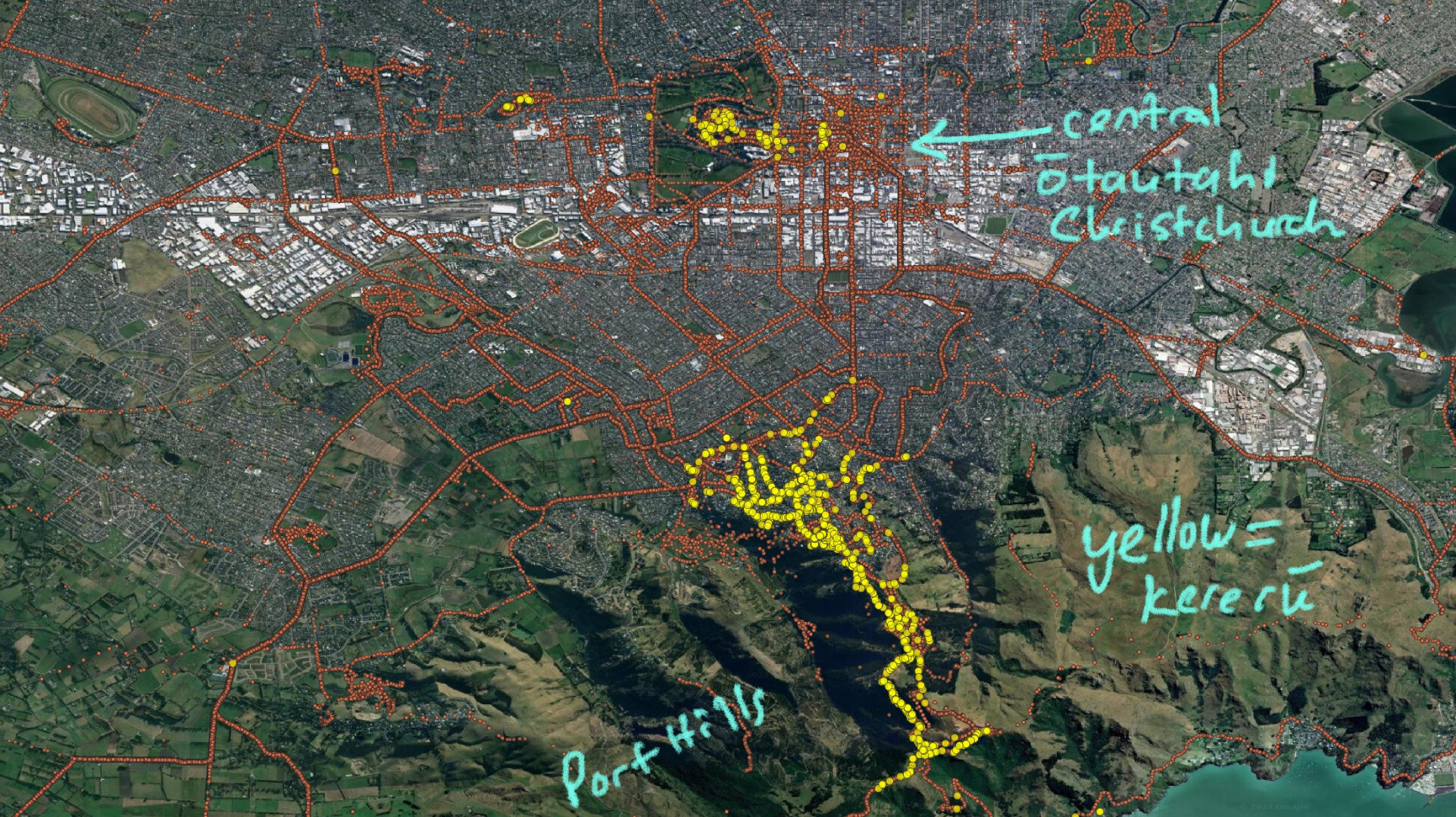
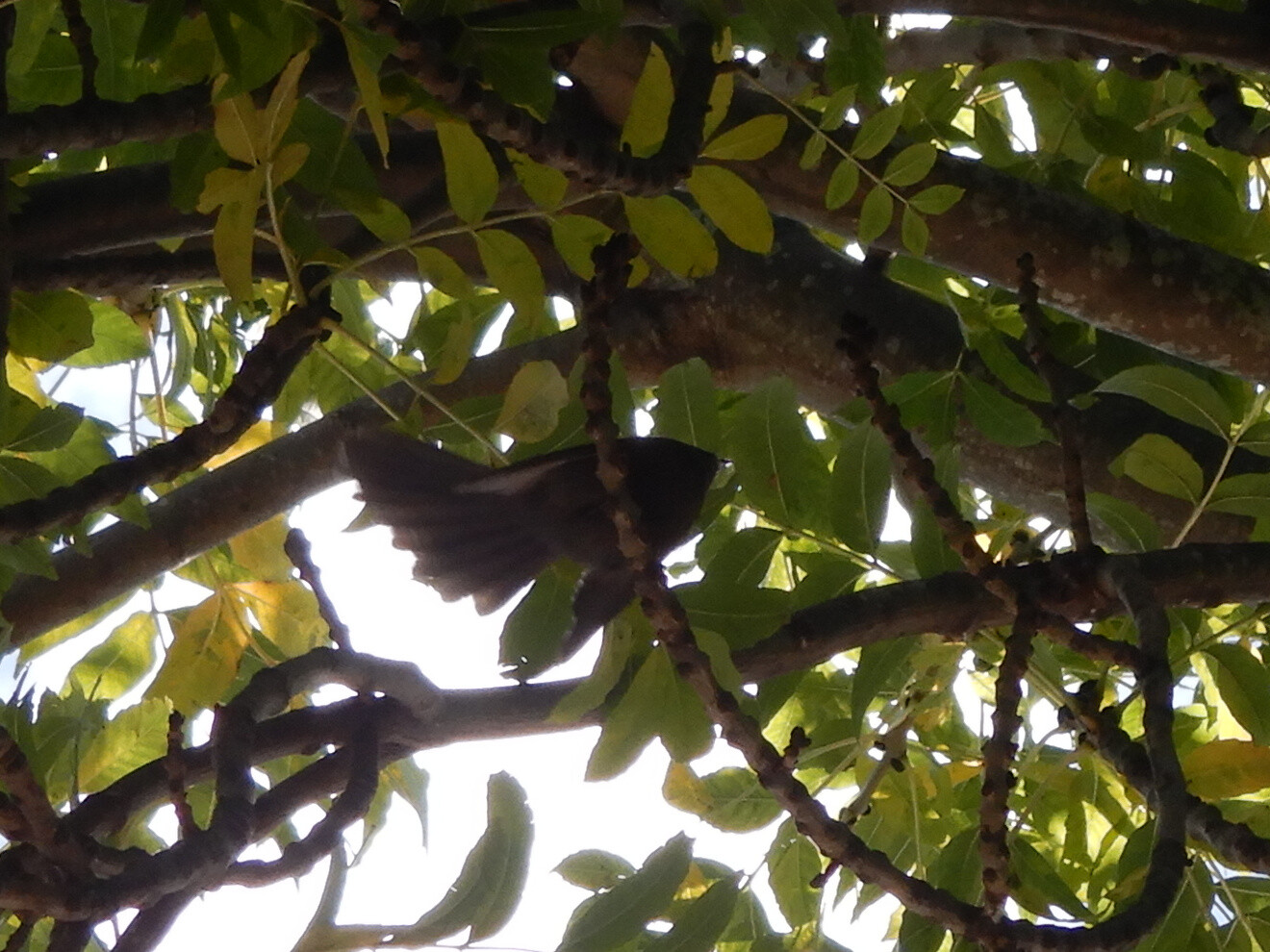
There's a black-morph piwakawaka (fantail), a kererū in the botanic gardens, a little shag drying its wings on the banks of the Avon River in the middle of the city, and one of several monarch butterflies starting to gather into their overwintering parks.
#wildcounts #EcologicalMonitoring #aotearoa #nz #nature
Jon Sullivan · @joncounts
844 followers · 1534 posts · Server mastodon.nz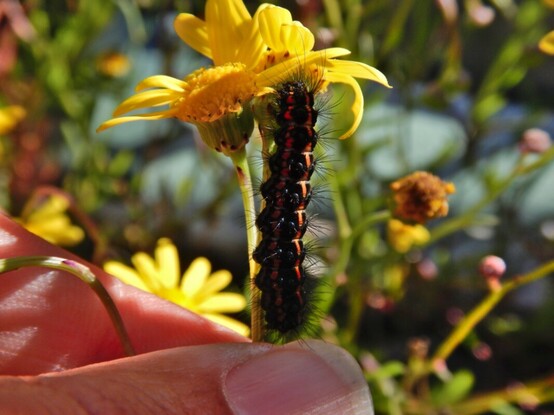
Here are some highlights of my wildcounts biodiversity run into central Ōtautahi-Christchurch this afternoon.
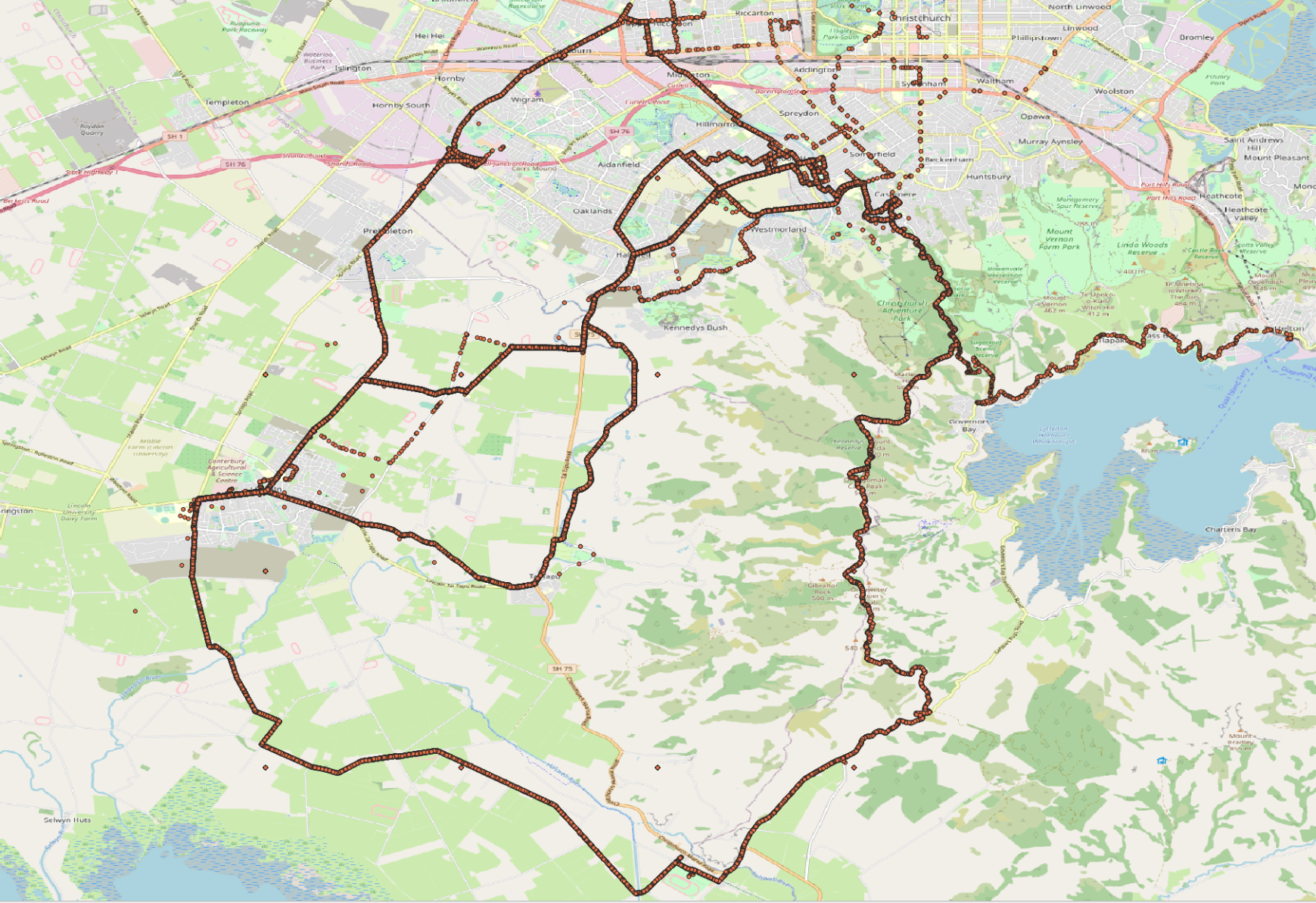
For 4 years now I've been running this monthly 20 km route, between the Sign of the Takahe and Cathredral Square, mapping species along the way. It's the most recent of my standard routes.
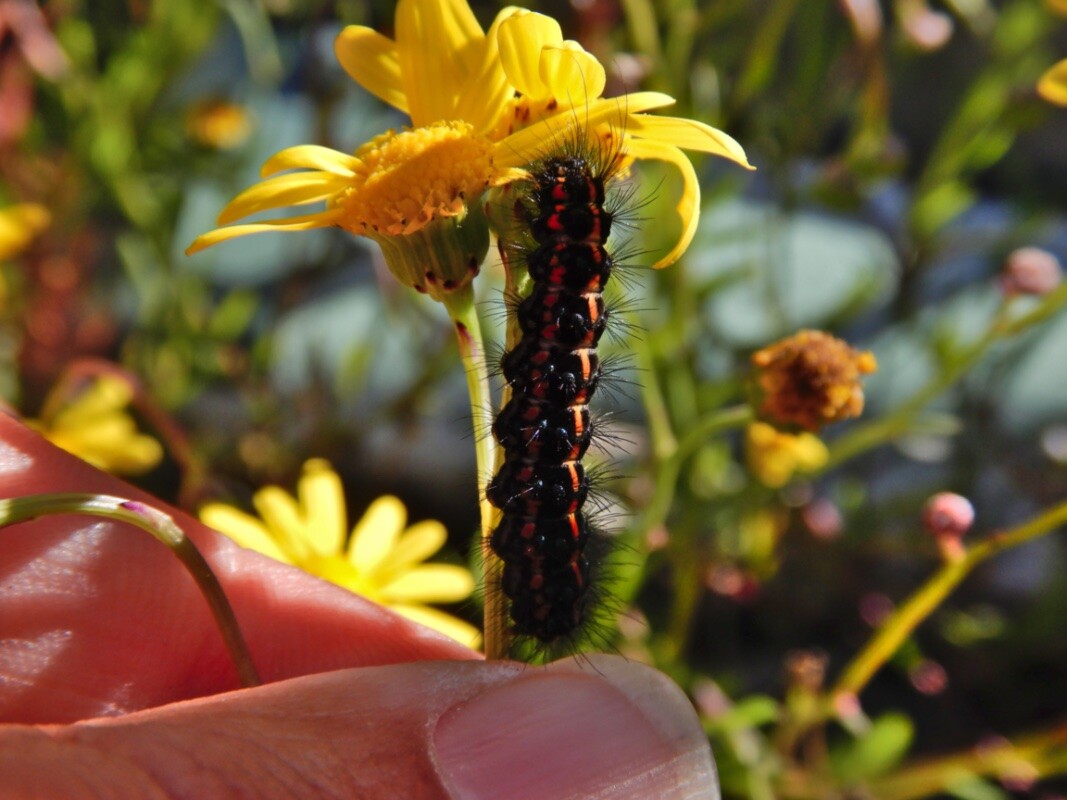
Today we've got NZ magpie moth caterpillars (Mokarakara), Australian passionvine hoppers, European wool-carder bees, and a Australian swift spider.
#wildcounts #EcologicalMonitoring #aotearoa #nz
Jon Sullivan · @joncounts
827 followers · 1412 posts · Server mastodon.nz
In the latest article from our ecology department blog at #LincolnUniversityNZ, Adrian Paterson writes about research by Master of Science student Kat Bugler.
Kat looked at how human observers, and trail cameras, alter the behaviour of red pandas. Spoiler alert: both do.
Adrian is also a Lord of the Rings fanatic, so, of course, he makes lots of connections to the Eye of Sauron.
"I see you: Sauron and the panda"
https://lincolnecology.org.nz/2023/03/13/i-see-you-sauron-and-the-panda/
#LincolnUniversityNZ #EcologicalMonitoring #animalbehaviour #redpanda
Jon Sullivan · @joncounts
801 followers · 1275 posts · Server mastodon.nz
Here are a few maps from my biodiversity runs this week through Ōtautahi-Christchurch. I've just processed my audio notes through AWS Transcribe.
As usual, native forest birds are mostly in the Cashmere hills and Wigram Retention Basin and Botanic Gardens (i.e. the forest). Gulls like the city centre.
Passionvine hoppers and steelblue ladybirds are Australian species spreading south as the climate warms. They're mostly in the hills on my routes.
#EcologicalMonitoring #wildcounts #nz #aotearoa
Jon Sullivan · @joncounts
776 followers · 1074 posts · Server mastodon.nz
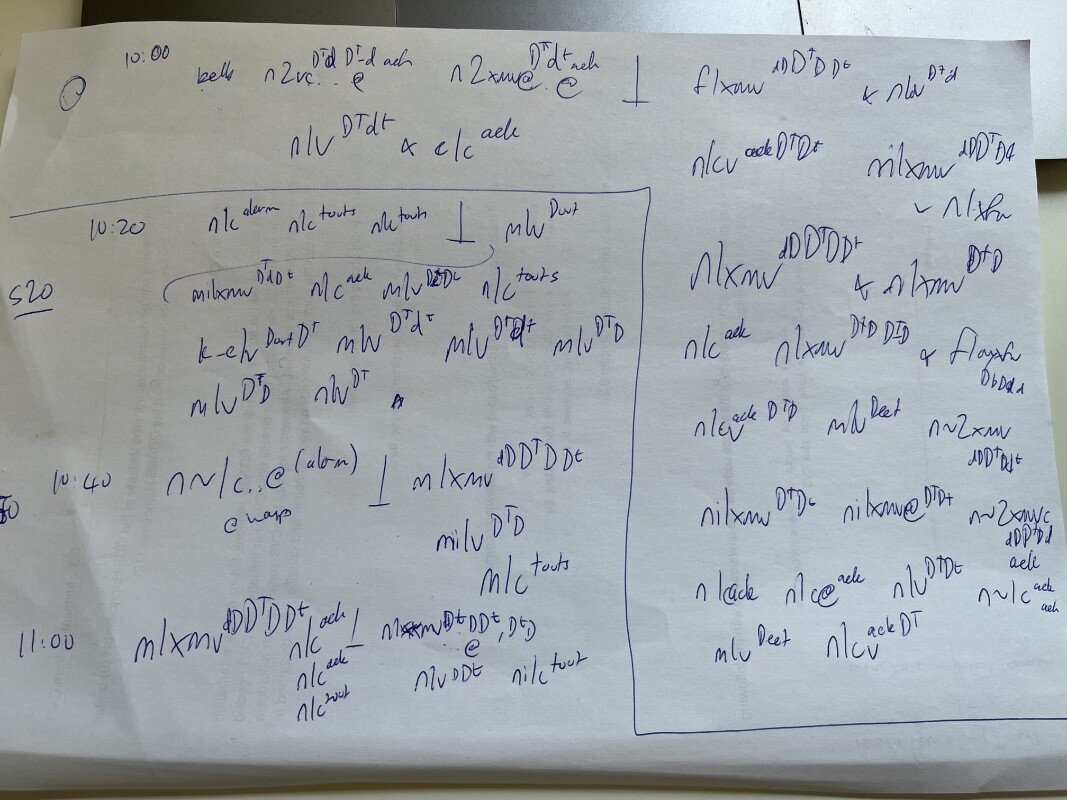
This might all look like crazy gobbledigook, and I certainly didn't start by including korimako dialects. At it's simplest, just a yes/no for did you hear korimako song every 20 minutes will tell you a lot, if you keep doing it for months and years.
At our house in Cashmere there are a *LOT* more korimako than there used to be. Here's 7:40 AM to 9:00 AM today and ten years ago. Lots of korimako and a piwakwaka today. Nothing 10 years ago.
#EcologicalMonitoring
Jon Sullivan · @joncounts
776 followers · 1072 posts · Server mastodon.nz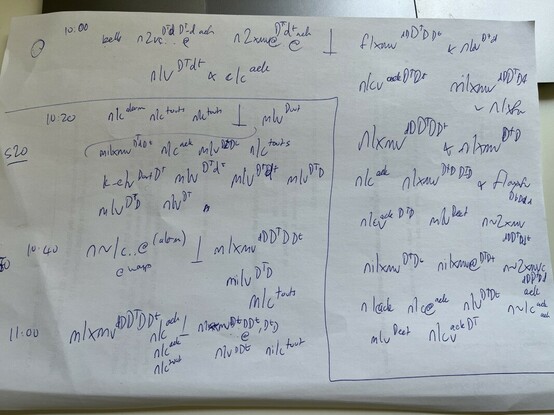
Zoom can't stop the monitoring!
Ecological monitoring is easy, and important, and so I do it all the time. Here are my hand-written notes while on a Zoom meeting earlier today at home, which I just typed into my computer.
When I'm at an office with a window open, I always note down the endemic NZ forest birds and butterflies and cicadas, in 20 minute intervals.
During my Zoom meeting, there was lots of korimako-bellbird song.
https://wildcounts.org/blog/2018/06/02/Seven-years-of-bird-counting-from-my-office/
#EcologicalMonitoring #wildcounts
Jon Sullivan · @joncounts
747 followers · 934 posts · Server mastodon.nz
I like how easy it is when cycle commuting to quickly stop when I see something interesting. It adds more adventure to every day.
Here are four of the #iNaturalist observations I made on my bike ride home from work this evening. There's a pair of kererū feeding on the first ripe cabbage tree fruit, cabbage aphids & cabbage white caterpillars on a wild roadside cabbage, white-faced herons in a muddy pasture, and a yellow-admiral butterfly.
#inaturalist #bikes #nature #EcologicalMonitoring #aotearoa #nz
Jon Sullivan · @joncounts
716 followers · 761 posts · Server mastodon.nz@libroraptor Absolutely! I puzzle over why so few people do this. Monitoring nature is fun to do and easy too. You don't even need fancy equipment. I started out with a pencil and paper, long before smart phones.
It's also more important now than ever, with so many rapid environmental changes happening.
There's more focus on figuring out how to automate it with DNA and automated cameras and microphones, but I see a lot of extra social value in doing a lot of it ourselves.
#EcologicalMonitoring
Jon Sullivan · @joncounts
716 followers · 761 posts · Server mastodon.nz@libroraptor I do plenty of ecological monitoring on campus myself, and ask the students in our ecology classes to do it too. I find that collecting real data is a great way to teach field identification and observation skills.
Seeing real patterns and trends emerge later, many of which nobody has noticed before, is an extra bonus and a great motivator for students.
#EcologicalMonitoring #classroom #students #CitSci
#EcologicalMonitoring #classroom #students #CitSci
Jon Sullivan · @joncounts
627 followers · 556 posts · Server mastodon.nz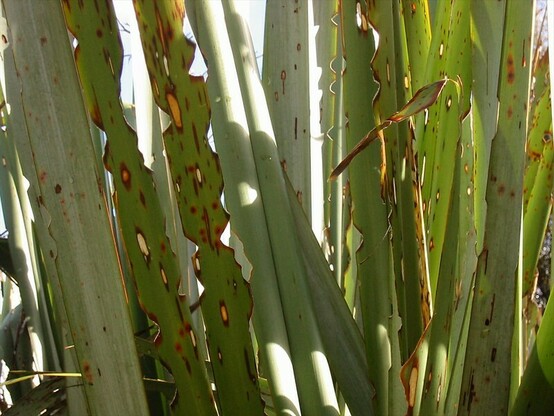
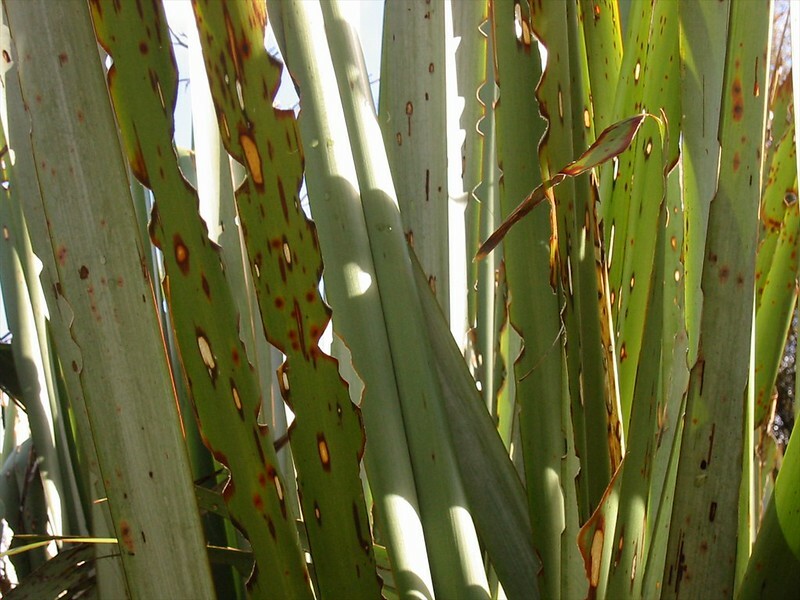
In 2022, I added flax notcher and scraper moth damage to the species I map along my standard runs through Ōtautahi-Christchurch. The caterpillars make distinctive damage on flax leaves (as I first learned in high school). In hindsight, this was crazy to try to map while running, but the results are fascinating! Flax cultivars are now widely planted in gardens, but almost all of the herbivory is on the old flax up in the hills.
#EcologicalMonitoring #WildCounts #Phormium #AotearoaNZ #Herbivory
#EcologicalMonitoring #wildcounts #phormium #AotearoaNZ #herbivory
Jon Sullivan · @joncounts
624 followers · 533 posts · Server mastodon.nz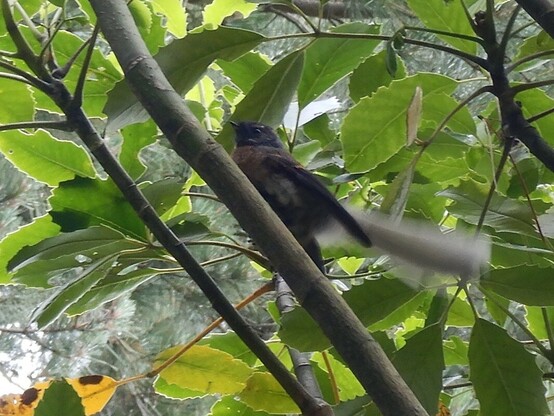


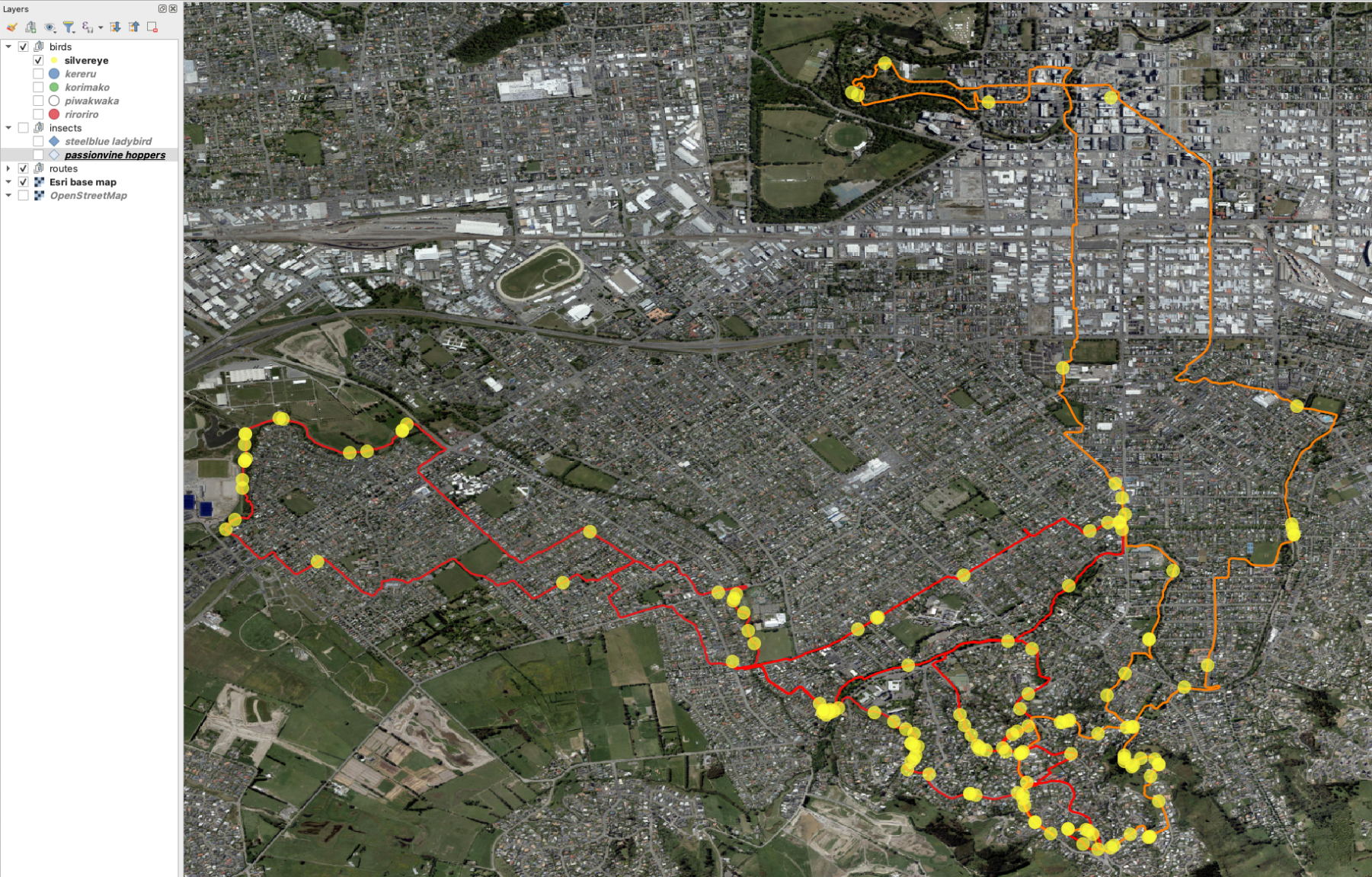


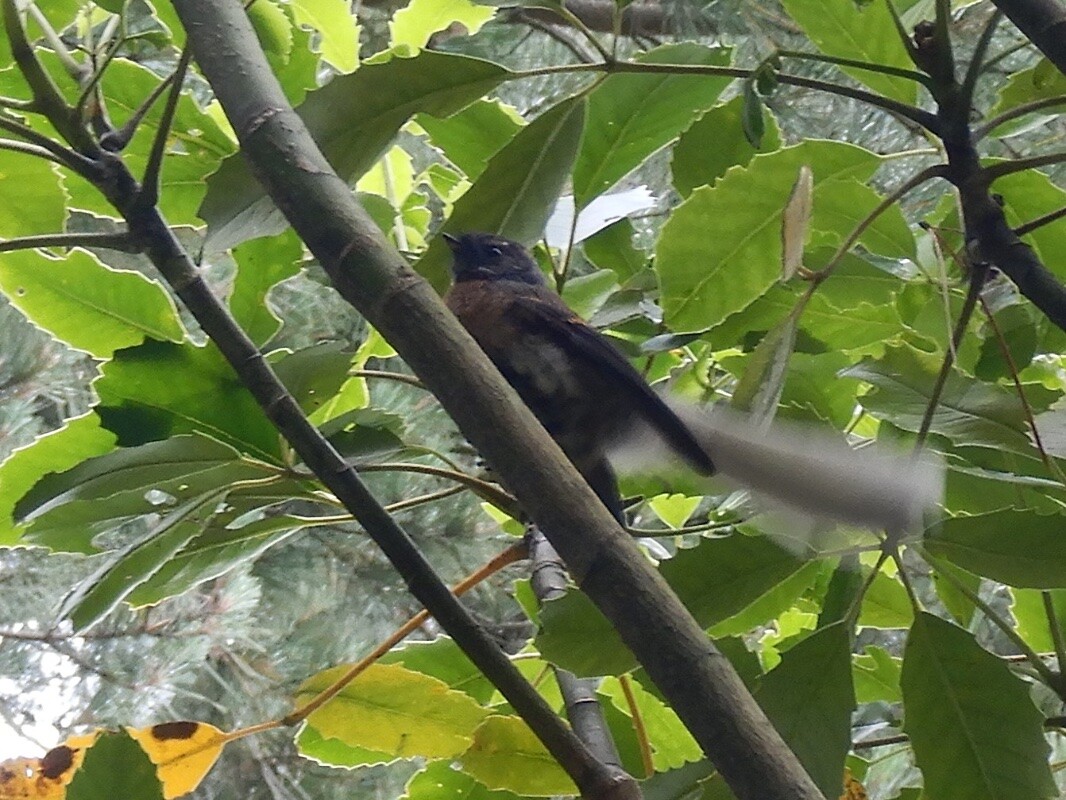
Here are all the piwakawaka (fantails) and riroriro (grey warblers) I saw and heard in 2022, along my standard run routes through Ōtautahi-Christchurch. For both, with very few exceptions, they are where the forest is. They're fast breeding birds that can handle some predation by mammals, but they like dense, tangled forest to feed in and hide in. If we want more of these birds in Ōtautahi, we'll need more forest.
#EcologicalMonitoring #WildCounts #Birds #AotearoaNZ #Gerygone #Rhipidura
#EcologicalMonitoring #wildcounts #birds #AotearoaNZ #gerygone #rhipidura