CarveHerName · @CarveHerName
3047 followers · 838 posts · Server mstdn.social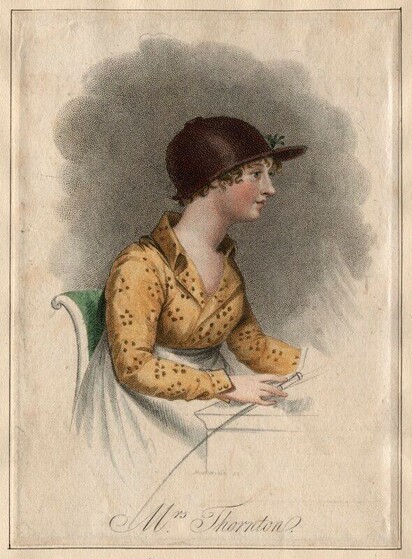
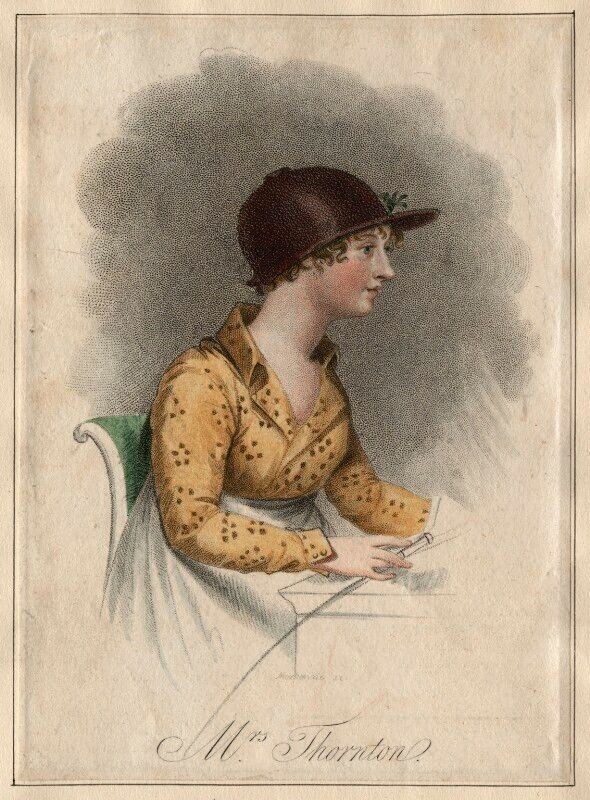
#OnThisDay, 25 Aug 1804, Alicia Meynell (aka Alicia Thornton) rides at the York races in England. Side-saddle.
She is now recognised as the first woman racing jockey.
#WomenInHistory #Histodons #ThisGirlCan #EnglishHistory #FlashbackFriday
#flashbackfriday #EnglishHistory #thisgirlcan #histodons #womeninhistory #onthisday
CarveHerName · @CarveHerName
2841 followers · 812 posts · Server mstdn.social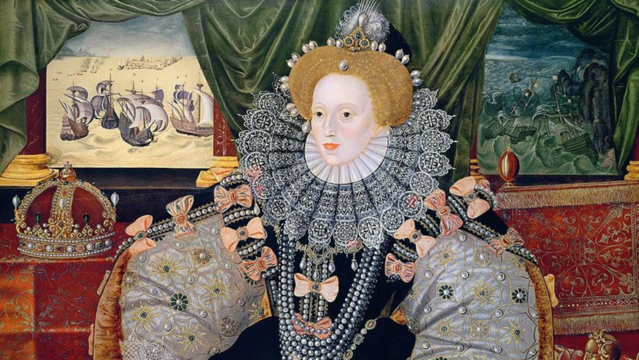
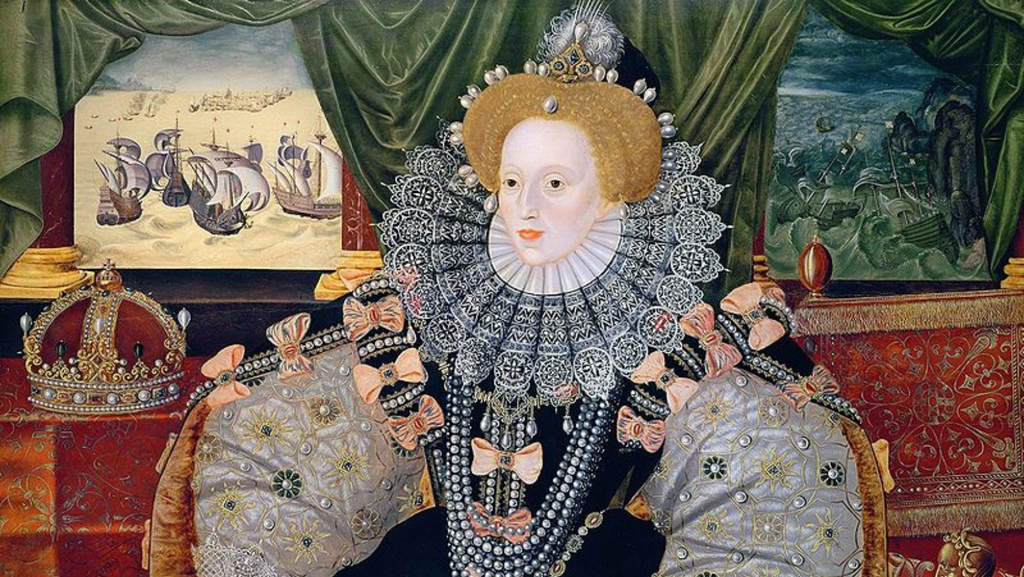
“I know I have the body of a weak, feeble woman; but I have the heart and stomach of a king, and of a king of England too.”
#OnThisDay, 19 Aug 1588*, Queen Elizabeth I of England addresses the troops at Tilbury as they prepare to defend England against the Spanish Armada.
Her reported speech is best seen as propaganda establishing her as a symbolic Britannia. https://www.elizabethfiles.com/the-spanish-armada-8-elizabeths-tilbury-speech/4065/
#WomenInHistory #TudorHistory #EnglishHistory #Elizabethan
*date converted from OS calendar
#Elizabethan #EnglishHistory #tudorhistory #womeninhistory #onthisday

haq · @haq
136 followers · 2241 posts · Server kolektiva.social1. Geology. Simmons could've spent a couple of minutes checking and discovered that there are several well-known "soft" stones such as soapstone, slate, serpentine, etc but she chose not to: "Like its limestone cousins - marble included - it is the only rock that can be scored with a butterknife". No.
2. History. Simmons prides herself on her travel journalism from the "Middle East", meanwhile back in England the self-described "medievalist" says: "The pond [where a broken axehead was found] was quite close to the present church, so this fitted with the theory that Christian sites appropriated pagan ones to smooth the transition between religious belief systems." Erm, like in Jerusalem? Smooooooth! Or genocidal. One of those. Also, not true that Christian sites appropriated Pagan places except occasionally in urban areas where space was limited.
3. History. Simmons mourns the loss that the Cluniac monastery in Lewes that she claims was "the heart and soul of the town" before the dissolution of the monasteries when in 1537 the 24 monks, who offered the town their thoughts and prayers, were supported by over 22,000 acres of land in Sussex (and more elsewhere so about 1,000 acres per monk). The land had been partially cleared of local peasants, who were replaced by sheep, and was run by unpaid servants known as lay brothers. I suppose unpaid servant was a step up for a starving landless unmarried male peasant, but I wonder where the women went....
4. Gibberish. As I mentioned before, this was clearly not read by an editor and is relentless nonsense, e.g.: "It had been a dry winter so far. In wet weather, travellers followed the ridgeway on the top, avoiding the boggy bottom of the valley. So that's what I would do also." Wet is dry and dry is wet, apparently.
5. History. Simmons describes the Christian crusades as: "the series of religious wars involving Christians and Muslims between 1096 and 1291. One of the Christians' avowed aims was to protect pilgrims travelling to the Holy Land" and one of their aims was large scale genocidal land-theft. Also Louis IX of France figure-headed crusades against the Holy Roman Empire, the Balts, and Tunis, amongst others, even within Simmons' chosen period which conveniently excludes the most embarrassing genocidal xtian on xtian crusades that occurred later.
6. Dis/Ablism. And lastly, on page 323 of 324, we discover illness and disability don't exist in Simmons world, even during a pandemic: "We humans are made to walk, and if we continue walking we'll stay fit and agile into old age, as the many white haired people I met climbing the hills between Southampton and Canterbury proved." Selection bias much?
Don't read this book, obv. /end thread and onwards to more edifying and entertaining reading
#books #reading #history #EnglishHistory #geology #Christianity #ChristianHistory #Catholicism #ablism #disablism
#books #reading #history #EnglishHistory #geology #christianity #christianhistory #catholicism #ablism #disablism
haq · @haq
136 followers · 2237 posts · Server kolektiva.social1. Geology. Simmons could've spent a couple of minutes checking and discovered that there are several well-known "soft" stones such as soapstone, slate, serpentine, etc but she chose not to: "Like its limestone cousins - marble included - it is the only rock that can be scored with a butterknife". No.
2. History. Simmons prides herself on her travel journalism from the "Middle East", meanwhile back in England the self-described "medievalist" says: "The pond [where a broken axehead was found] was quite close to the present church, so this fitted with the theory that Christian sites appropriated pagan ones to smooth the transition between religious belief systems." Erm, like in Jerusalem? Smooooooth! Or genocidal. One of those. Also, not true that Christian sites appropriated Pagan places except occasionally in urban areas where space was limited.
3. History. Simmons mourns the loss that the Cluniac monastery in Lewes that she claims was "the heart and soul of the town" before the dissolution of the monasteries when in 1537 the 24 monks, who offered the town their thoughts and prayers, were supported by over 22,000 acres of land in Sussex (and more elsewhere so about 1,000 acres per monk). The land had been partially cleared of local peasants, who were replaced by sheep, and was run by unpaid servants known as lay brothers. I suppose unpaid servant was a step up for a starving landless unmarried male peasant, but I wonder where the women went....
4. Gibberish. As I mentioned before, this was clearly not read by an editor and is relentless nonsense, e.g.: "It had been a dry winter so far. In wet weather, travellers followed the ridgeway on the top, avoiding the boggy bottom of the valley. So that's what I would do also." Wet is dry and dry is wet, apparently.
5. History. Simmons describes the Christian crusades as: "the series of religious wars involving Christians and Muslims between 1096 and 1291. One of the Christians' avowed aims was to protect pilgrims travelling to the Holy Land" and one of their aims was large scale genocidal land-theft. Also Louis IX of France figure-headed crusades against the Holy Roman Empire, the Balts, and Tunis, amongst others, even within Simmons' chosen period which conveniently excludes the most embarrassing genocidal xtian on xtian crusades that occurred later.
6. Dis/Ablism. And lastly, on page 323 of 324, we discover illness and disability don't exist in Simmons world, even during a pandemic: "We humans are made to walk, and if we continue walking we'll stay fit and agile into old age, as the many white haired people I met climbing the hills between Southampton and Canterbury proved." Selection bias much?
Don't read this book, obv. /end thread and onwards to more edifying and entertaining reading
#books #reading #history #EnglishHistory #geology #Christianity #ChristianHistory #Catholicism #ablism #disablism
#books #reading #history #EnglishHistory #geology #christianity #christianhistory #catholicism #ablism #disablism
haq · @haq
131 followers · 2148 posts · Server kolektiva.socialI'm being informed that Brexit wasn't caused by decades of anti-EU propaganda in right-wing anglophone media, no, Brexit was caused by... Henry VIII and the dissolution of the monasteries in the 1530s! According to Gail Simmons in Between the Chalk and the Sea anyway, lmao:
"The 1534 Act of Supremacy, when Henry VIII formally broke with Rome, shook the foundations of the country like an earthquake. Five hundred years on and its tremors still reverberate as we again turn our backs on Europe, repeating those centuries old debates over identity and sovereignty."
Fortunately those pillars of the EU that are secular France and Lutheran Germany were uneffected due to them never having detached their states from Rome, lmao, and them not having debatable identities... wait, the Bretons, Basques, Occitans, Swiss, Kölsch-speakers, Platt-speakers, Swabians, and Bavarians have entered the chat....
Honestly, according to Gail "three weapons... and an almost fanatical devotion to the Pope" Simmons everything bad was caused by the dissolution of the monasteries in the 1530s. I can't convey in short quotes how bizarre the takes in this book are.
#books #reading #history #EnglishHistory #brexit
CarveHerName · @CarveHerName
2785 followers · 767 posts · Server mstdn.social
#OnThisDay, 10 July 1553, Lady Jane Grey is officially proclaimed Queen of England. She is usurped nine days later by her cousin Mary Tudor, and is beheaded in 1554.
We’ve written about Lady Jane Grey’s succession on our blog: https://carvehername.org.uk/lady-jane-grey-history-a-tudor-succession/
#WomenInHistory #Histodons #Tudors #LadyJaneGrey #EnglishHistory #RegnantWomen
#regnantwomen #EnglishHistory #ladyjanegrey #Tudors #histodons #womeninhistory #onthisday
haq · @haq
124 followers · 2096 posts · Server kolektiva.socialI decided to name author Gail Simmons and her extremely bad book Between the Chalk and the Sea, about a walk across southern England, because of her constant errors (from after pg56 which caused this thread):
pg64 "Christians, quick to embrace pagan rituals to placate the incumbent population" - no, lmao, definitely not in the British Isles;
pg68 "Early Christian writers, keen to appropriate popular pagan traditions transformed him [a "god" Lugh she claims is "Celtic"] into the Archangel Michael" - also no, Christianity inherited Michael from some forms of apocalyptic Judaism, and he's mentioned in two different books of the Christian new testament;
pg68 "in Ireland, where Lugh was strongest [citation needed], he metamorphosed into the leprechaun of Irish folklore" - lmao, presumably sourced from some Victorian antiquarian who'd huffed too much Celtic Twilight.
pg93 Mention of "Druids", as I predicted, but the modern type so she managed to get her factette correct (the pagan sort do sometimes "revere" yew trees*)
pg94 cba to type out a quote but there's a whole horrifying scene where she visits a village churchyard during a funeral (presumably held under covid protections that restricted the number of people attending) and tries to engage the gravedigger in conversation then, because he's short with her, she concludes he's an archetypal strong, silent, son of the soil rather than an acquaintance of the deceased who wishes she'd shut up and go away and take her increased risk of infection with her.
pg113 Even her editor didn't read this rubbish: "It's said that a holloway sinks by one metre every 300 years, so by that reckoning this one was nearly 1,000 years old, fitting perfectly with the Roman occupation of Britain from AD 43 to 410." Lmao, Gail Simmons believes she lives somewhere between 1043 and 1410 CE.
So, in conclusion, this is badly written in style, the content is nonsense, and the person who wrote it decided to go for a long linear walk with multiple overnight stays in the worst part of a pandemic.
* One of the few religious impulses I understand is feeling reverence towards a living being that's 1000+ years old.
#books #reading #history #EnglishHistory #Christianity #Paganism #covidiots #PandemicHistory
#books #reading #history #EnglishHistory #christianity #paganism #COVIDIOTS #pandemichistory
haq · @haq
124 followers · 2096 posts · Server kolektiva.socialI decided to name author Gail Simmons and her extremely bad book Between the Chalk and the Sea, about a walk across southern England, because of her constant errors (these are from after pg56 which originally caused this thread):
pg64 "Christians, quick to embrace pagan rituals to placate the incumbent population" - no, lmao, definitely not in the British Isles;
pg68 "Early Christian writers, keen to appropriate popular pagan traditions transformed him [a "god" Lugh she claims is "Celtic"] into the Archangel Michael" - also no, Christianity inherited Michael from some forms of apocalyptic Judaism, and he's mentioned in two different books of the Christian new testament;
pg68 "in Ireland, where Lugh was strongest [citation needed], he metamorphosed into the leprechaun of Irish folklore" - lmao, presumably sourced from some Victorian antiquarian who'd huffed too much Celtic Twilight.
pg93 Mention of "Druids", as I predicted, but the modern type so she managed to get her factette correct (the pagan sort do sometimes "revere" yew trees*)
pg94 cba to type out a quote but there's a whole horrifying scene where she visits a village churchyard during a funeral (presumably held under covid protections that restricted the number of people attending) and tries to engage the gravedigger in conversation then, because he's short with her, she concludes he's an archetypal strong, silent, son of the soil rather than an acquaintance of the deceased who wishes she'd shut up and go away and take her increased risk of infection with her.
pg113 Even her editor didn't read this rubbish: "It's said that a holloway sinks by one metre every 300 years, so by that reckoning this one was nearly 1,000 years old, fitting perfectly with the Roman occupation of Britain from AD 43 to 410." Lmao, Gail Simmons believes she lives somewhere between 1043 and 1410 CE.
So, in conclusion, this is badly written in style, the content is nonsense, and the person who wrote it decided to go for a long linear walk with multiple overnight stays in the worst part of a pandemic.
* One of the few religious impulses I understand is feeling reverence towards a living being that's 1000+ years old.
#books #reading #history #EnglishHistory #Christianity #Paganism #covidiots #PandemicHistory
#books #reading #history #EnglishHistory #christianity #paganism #COVIDIOTS #pandemichistory
haq · @haq
124 followers · 2083 posts · Server kolektiva.socialHoly shit, the travel book I'm reading is full of rubbish about the dissolution of the monasteries:
1. that was written by someone who touts their masters degree in "medieval history" (although iirc they studied "medieval" literary fiction) and
2. evidenced with an unsourced claim "Historians have noted that" [blah decontextualised blah] and
3. concludes "Almost overnight, the poor had lost one of their primary means of support", lmao. Where do we think the resources those monks were spending on "the poor" came from? Did all that gold-plating on the monks' books descend as manna from heaven? Were their enormous luxury stone homes paid for with prayer? Were their extensive land-holdings previously Terra Nullius with a mysterious absence of resident peasants? Perhaps the monks' unusually calorific diets grew miraculously on their plates without peasant farmers or taxes? Those lazy poors, eh, living off "alms" from the richest institution on earth... that stole all its resources from those same poors... who then had a tiny percentage of their own resources returned to them as "alms" from the resource-hoarding church. Or were all those hoarded resources acquired and retained by the Church using centuries of genocidal violence? I mean, even someone unwilling to check their assumptions could probably guess the answers here.
And this was after many pages of C19th originated nonsense about the Catholic Church, based in Rome, supposedly incorporating lots of Pagan English religion into Catholicism, lmao, no, that didn't happen and Catholics even wiped out rival forms of native Christianity fgs.
Gonna need churnalists who're too lazy to do basic research to stop publishing their brain farts.
#reading #books #history #EnglishHistory #Christianity #Catholicism #CatholicChurch
#reading #books #history #EnglishHistory #christianity #catholicism #catholicchurch

Ireland Inside and Out · @Irelandinsideandout
112 followers · 250 posts · Server mastodon.iehttps://youtu.be/qTQA4F8V0ps
#Ireland #Irish #castles #Irishcastles #Irishhistory #history #Englishhistory #England #Louth #Castle #CastleRoche #CountyLouth
#ireland #irish #castles #irishcastles #irishhistory #history #EnglishHistory #england #Louth #castle #castleroche #CountyLouth

Kendra Preston Leonard · @kendraleonard
794 followers · 2582 posts · Server hcommons.social**Reflecting on Habib’s Black Lives in the English Archives: An Online Symposium LAUNCHING THIS THURSDAY**
The many-headed monster is delighted to bring you a series of posts responding to Imtiaz Habib’s *Black Lives in the English Archives, 1500-1677: Imprints of the Invisible* (Ashgate: 2008, Routledge: 2020). The posts are part of Rebecca Adusei and Jamie Gemmell’s multi-event symposium, which brings together scholars working at the forefront of early modern Black history and premodern race studies to discuss the vital importance and continuing legacy of Habib’s text. https://manyheadedmonster.com/2023/05/02/reflecting-on-habibs-black-lives-in-the-english-archives-an-online-symposium/ #RaceBeforeRace #EarlyModernEngland #EnglishHistory #Archives
#racebeforerace #earlymodernengland #EnglishHistory #archives
haq · @haq
86 followers · 1419 posts · Server kolektiva.social
This is a very normal May Day procession in Great Chart in Kent during the 1900s... until you look closer... and realise someone went a bit gothic with the papier maché.
#gothic #MayDay #SeasonalCustoms #folklore #history #WorkingClassHistory #EnglishHistory #UK #England #Kent #GreatChart
#gothic #mayday #seasonalcustoms #folklore #history #workingclasshistory #EnglishHistory #uk #england #kent #greatchart
haq · @haq
74 followers · 1344 posts · Server kolektiva.socialOther historical mass trespasses include the 17th century Diggers who attempted to reclaim common land in Surrey, Kent, Northamptonshire, and Buckinghamshire (and they claimed in at least six further counties), where they were met with murderous violence from land-lords and the state. Their presence was erased so thoroughly that historians are unable to trace exactly where Diggers lived. Today St George's Hill is a 4 square km (965 acre) private gated community with some of the most expensive housing in the UK - in 2014 at least 72 properties, £282+ million of assets, were registered offshore in tax havens.
Before the Diggers squatted St George's Hill it was probably "Crown land" acquired by the monarchy through invasion, conquest, confiscation, English "clearances", the Harrying of the North, and evictions from newly enclosed "Crown land" such as "royal hunting forests". Which brings us back around to the 1932 Kinder Scout mass trespass on land kept exclusively by the ruling classes for hunting and intensive farming of birds for shooting. /end thread
In 1649, to St. George's Hill,
A ragged band they called the Diggers came to show the people's will.
They defied the landlords. They defied the laws.
They were the dispossessed reclaiming what was theirs.
"We come in peace," they said, "to dig and sow.
We come to work the land in common, and to make the waste land grow.
This Earth divided we will make whole so it will be a common treasury for all."
Nancy Kerr sings The World Turned Upside Down, by Leon Rosselson
https://www.youtube.com/watch?v=aJlWymJFY7k
#FolkMusic #FolkSong #Folk #music #rambling #hiking #RightToRoam #trespass #UK #England #Surrey #WorkingClassHistory #EnglishHistory #diggers #commons #TaxAvoidance #TaxEvasion #TaxTheRich #AbolishTheMonarchy #NotMyKing
#folkmusic #folksong #folk #Music #rambling #hiking #RightToRoam #trespass #uk #england #surrey #workingclasshistory #EnglishHistory #Diggers #commons #taxavoidance #taxevasion #taxtherich #AbolishTheMonarchy #NotMyKing
CarveHerName · @CarveHerName
2427 followers · 464 posts · Server mstdn.social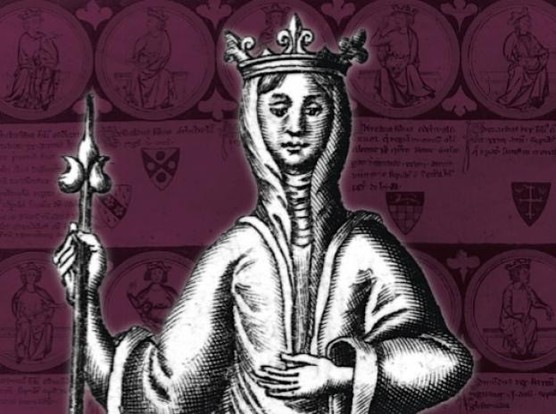
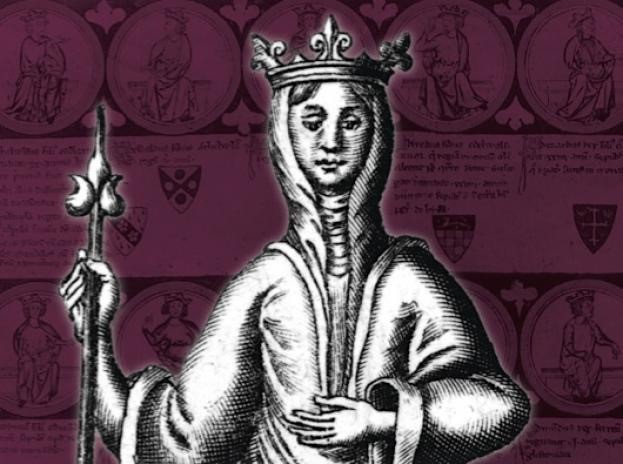
#OnThisDay, 7 Apr 1141, Matilda is legally recognised as ruler of England in her own right.
Matilda had been appointed heir by her father, King Henry I, but she was usurped by her cousin Stephen. Matilda raised an army, captured Stephen and claimed the throne. Although she was declared ruler by the church, the people of London rebelled ahead of her coronation and she is never crowned.
This period of civil war is known as the Anarchy.
#Histodons #EnglishHistory #WomenInHistory
#womeninhistory #EnglishHistory #histodons #onthisday
haq · @haq
62 followers · 1129 posts · Server kolektiva.socialI particularly like the amateur #HorribleHistories style fan video to Pete Coe's excellent cover of Vic Gammon's comic song The Kings and Queens of England.
"Charles II had eleven bastard children and
George III went mad,
Edward VII they thought was Jack the Ripper but
Richard III weren't as bad (as Shakespeare thought he was),
Victoria lay back and thought of England,
Charles I lost his head.
The best thing about the kings and queens of England is
Most of them are dead.
Singing Rule Britannia, Britannia waives the rules,
Kings, Queens, Jacks and knaves and tyrants, cheats and fools."
Kings and Queens of England - Pete Coe
https://www.youtube.com/watch?v=vKuZi-CElGs
#accordion #FolkMusic #FolkSong #Folk #music #cover #UK #England #history #BritishHistory #EnglishHistory #NotMyKing #AbolishTheMonarchy
#HorribleHistories #accordion #folkmusic #folksong #folk #Music #cover #uk #england #history #britishhistory #EnglishHistory #NotMyKing #AbolishTheMonarchy

Whistling Treason · @WhistlingTreason
211 followers · 549 posts · Server mstdn.social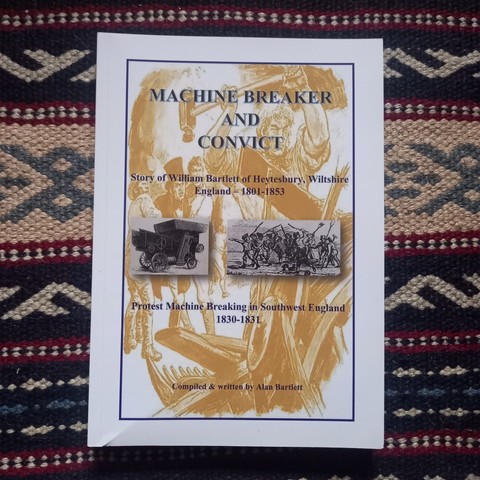
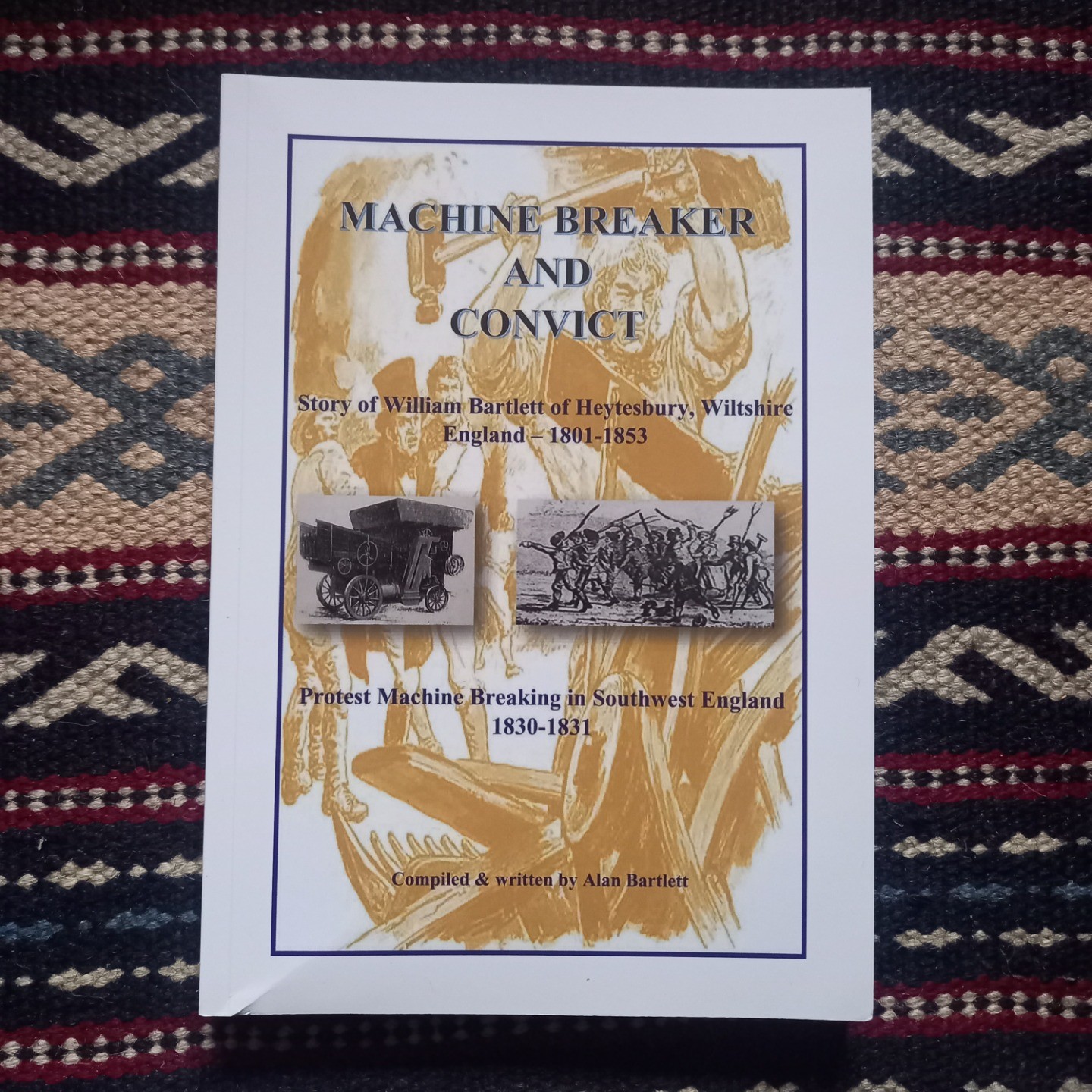
In a local bookshop, and had to buy this ! How could I refuse ?
#luddite #luddism #RadicalHistory #LocalHistory #SocialHistory #EnglishHistory
#EnglishHistory #socialhistory #LocalHistory #radicalhistory #luddism #luddite
Clasic Art 🇪🇺 · @classicart
12 followers · 13 posts · Server mstdn.social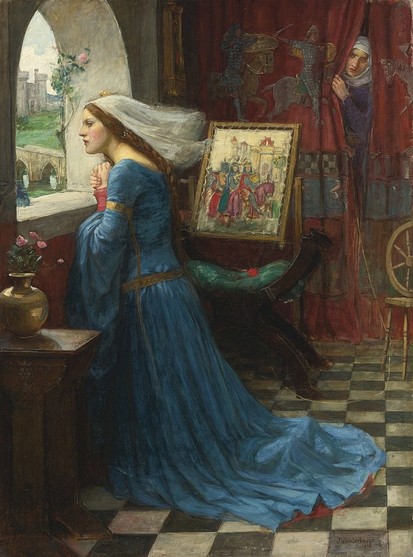
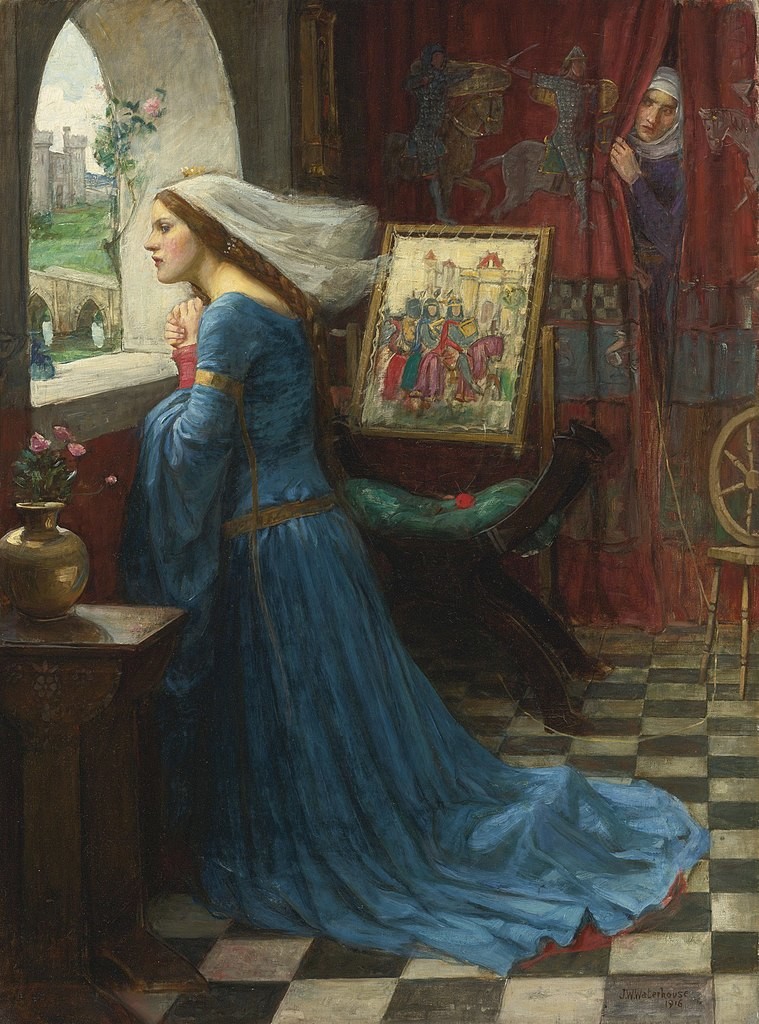
Fair Rosamund by John William Waterhouse, 1916.
Context: depicts Rosamund Clifford, mistress of Henry II of England.
#ClassicArt #Art #Painting #PublicDomain #EnglishArtist #20thCentury #20thCenturyArt #Romanticism #PreRaphaelite #HistoryPainting #EnglishHistory #Medievalism #MiddleAges #Rosamund #FairRosamund #RosamundClifford
#medievalism #rosamundclifford #fairrosamund #rosamund #middleages #EnglishHistory #historypainting #preraphaelite #romanticism #20thcenturyart #20thcentury #englishartist #PublicDomain #Painting #Art #classicart

Helen madden price · @bookwormhelen82
22 followers · 46 posts · Server mastodonapp.uk
✨I will have but one mistress here and no master. Elizabeth I 1533 - 1603 💖💖💖💖. #elizabethi #thevirginqueen #queenelizabeth #thetudors #tudors #elizabethtudor #englishhistory #henryviii #anneboleyn #cateblanchett #royal #semperadem #kingsandqueens #tudorengland #queene #history #elizabethan #quotes #elizabethmovie #english #englishqueen #myedit
#elizabethi #thevirginqueen #queenelizabeth #thetudors #Tudors #elizabethtudor #EnglishHistory #henryviii #AnneBoleyn #cateblanchett #royal #semperadem #kingsandqueens #Tudorengland #queene #history #elizabethan #quotes #elizabethmovie #english #englishqueen #myedit
JuneSim63 · @junesim63
587 followers · 2580 posts · Server mstdn.social
"In 1196, London's lower classes staged a dramatic mass revolt against the ruling elites. It's time their radical leader, William Longbeard, was rescued from historical obscurity"
Dominic Alexander in #Tribune magazine
#Histodon #History #EnglishHistory #WorkingClassHistory #WilliamLongbeard #London
https://tribunemag.co.uk/2023/01/william-longbeard-fitz-osbert-revolt-london-tax
#London #williamlongbeard #workingclasshistory #EnglishHistory #History #histodon #tribune

Medievalists.net · @medievalists
493 followers · 37 posts · Server hcommons.social



Today's entry in the new medieval books section is one geared towards fans of King Henry V
https://www.medievalists.net/2023/01/new-medieval-books-henry-v/
#books #historybooks #EnglishHistory