
Carlo Gubitosa :nonviolenza: · @gubi
5591 followers · 29817 posts · Server sociale.network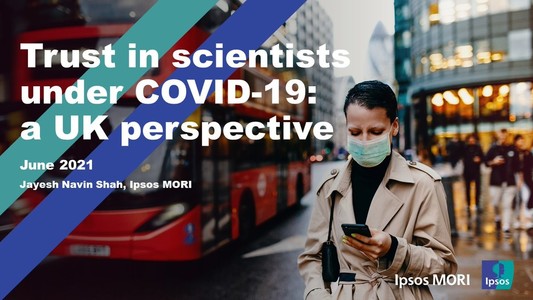
RT @jayeshnavin@twitter.com
Here are some things from last week's Future of Science Communication Conference #FSCC21 workshop on trust in science (session arranged by @kirstie_hewlett@twitter.com & colleagues from King's Policy Institute) (1/n)
🐦🔗: https://twitter.com/jayeshnavin/status/1410370674691039233
Carlo Gubitosa :nonviolenza: · @gubi
4313 followers · 29321 posts · Server sociale.network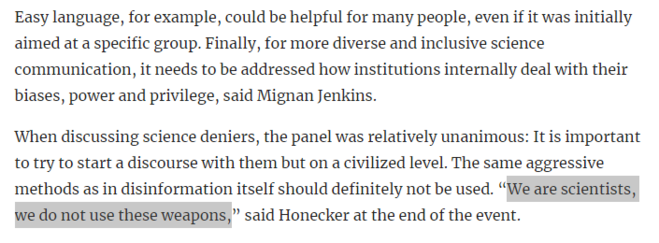
Carlo Gubitosa :nonviolenza: · @gubi
4313 followers · 29321 posts · Server sociale.network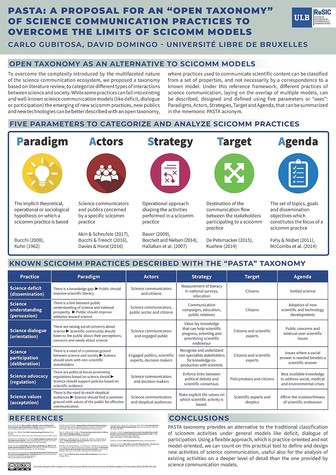
I was with @dutopia@twitter.com to #FSCC21 conference organized by @wissimdialog@twitter.com and @ALLEA_academies@twitter.com. Our poster is now available on @ResearchGate@twitter.com➡️Pasta: a proposal for an "open taxonomy" of science communication practices to overcome the limits of #scicomm models.
Carlo Gubitosa :nonviolenza: · @gubi
4313 followers · 29321 posts · Server sociale.network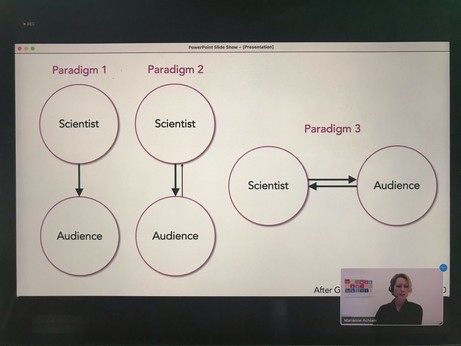
RT @wissimdialog@twitter.com
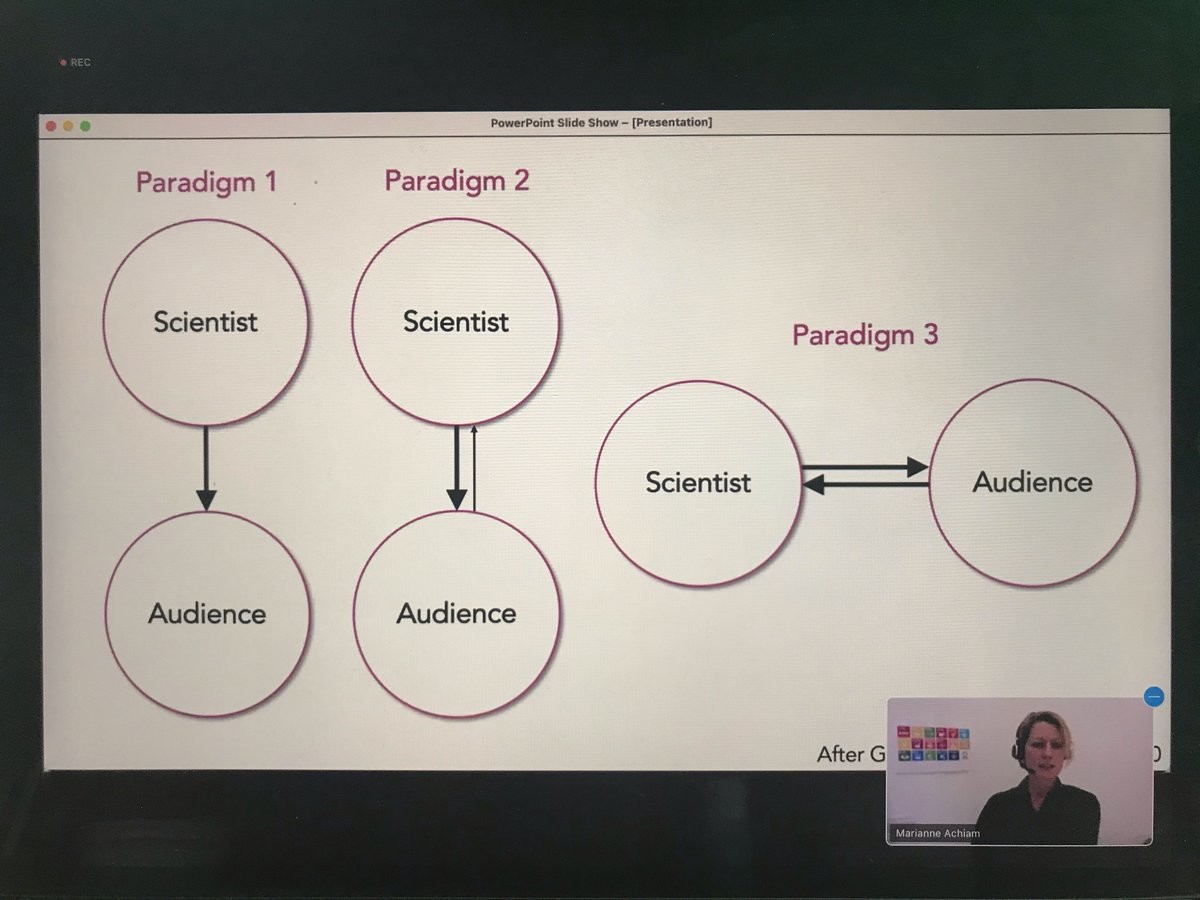
“Traditional models of #scicomm are oversimplifying”, emphasises @MarianneAchiam@twitter.com at #FSCC21. “We need to think about target groups in ways that go beyond these traditional models."
🐦🔗: https://twitter.com/wissimdialog/status/1408091158140567552
Carlo Gubitosa :nonviolenza: · @gubi
4313 followers · 29321 posts · Server sociale.networkRT @FranziskaSchmi@twitter.com
What an inspiring first day at #FSCC21. Great job btw in providing such a dynamic platform & program, the yoga session was a perfect pause in between all the passionate science talks! @wissimdialog@twitter.com @ALLEA_academies@twitter.com
🐦🔗: https://twitter.com/FranziskaSchmi/status/1408111842623475712
Carlo Gubitosa :nonviolenza: · @gubi
4313 followers · 29321 posts · Server sociale.networkRT @wissimdialog@twitter.com
#Scicomm goes Dancefloor! 💃🏻💃🏻Join our Zoom concert with artist @dianaezerex@twitter.com at 8 pm to finish off the first day of the #FSCC21. https://zoom.us/j/99153290334
🐦🔗: https://twitter.com/wissimdialog/status/1408118761543065601
Carlo Gubitosa :nonviolenza: · @gubi
4313 followers · 29321 posts · Server sociale.network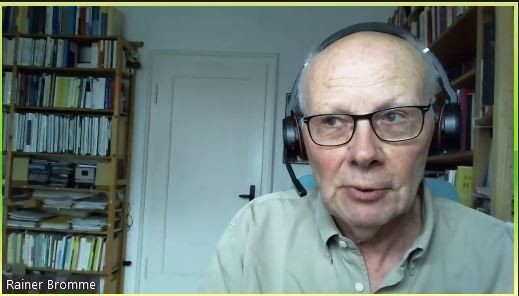
RT @ALLEA_academies@twitter.com
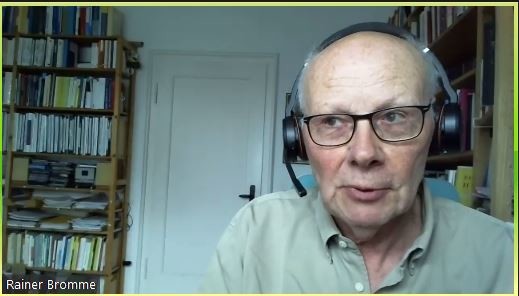
"Trust in science is not under the control of scientists. At least their control is to a small degree. It depends on how politicians or others deal with the system of science. This is very different in many parts of the world", says Rainer Bromme.
#FSCC21 @wissimdialog@twitter.com #scicomm
🐦🔗: https://twitter.com/ALLEA_academies/status/1408076490286239747
Carlo Gubitosa :nonviolenza: · @gubi
4313 followers · 29321 posts · Server sociale.network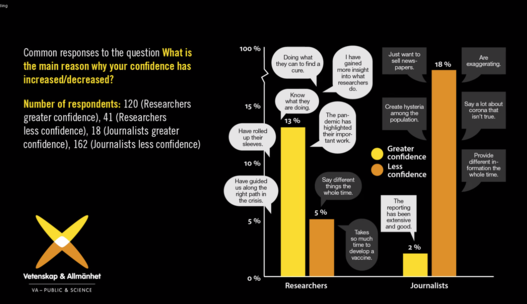
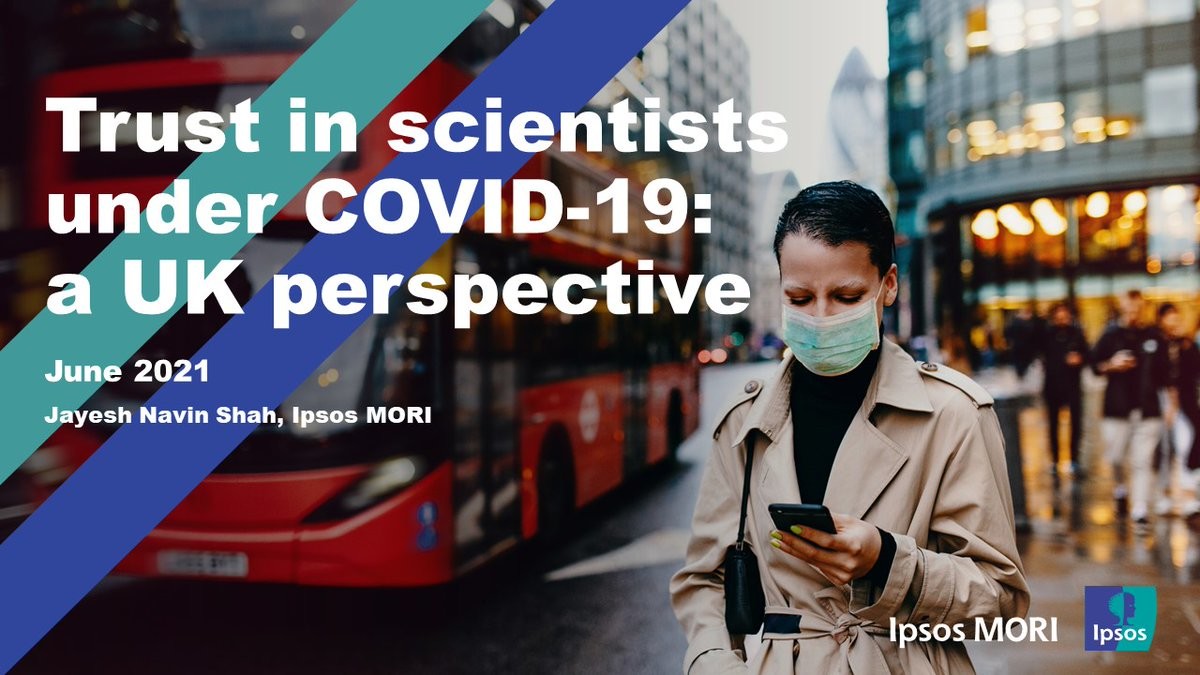
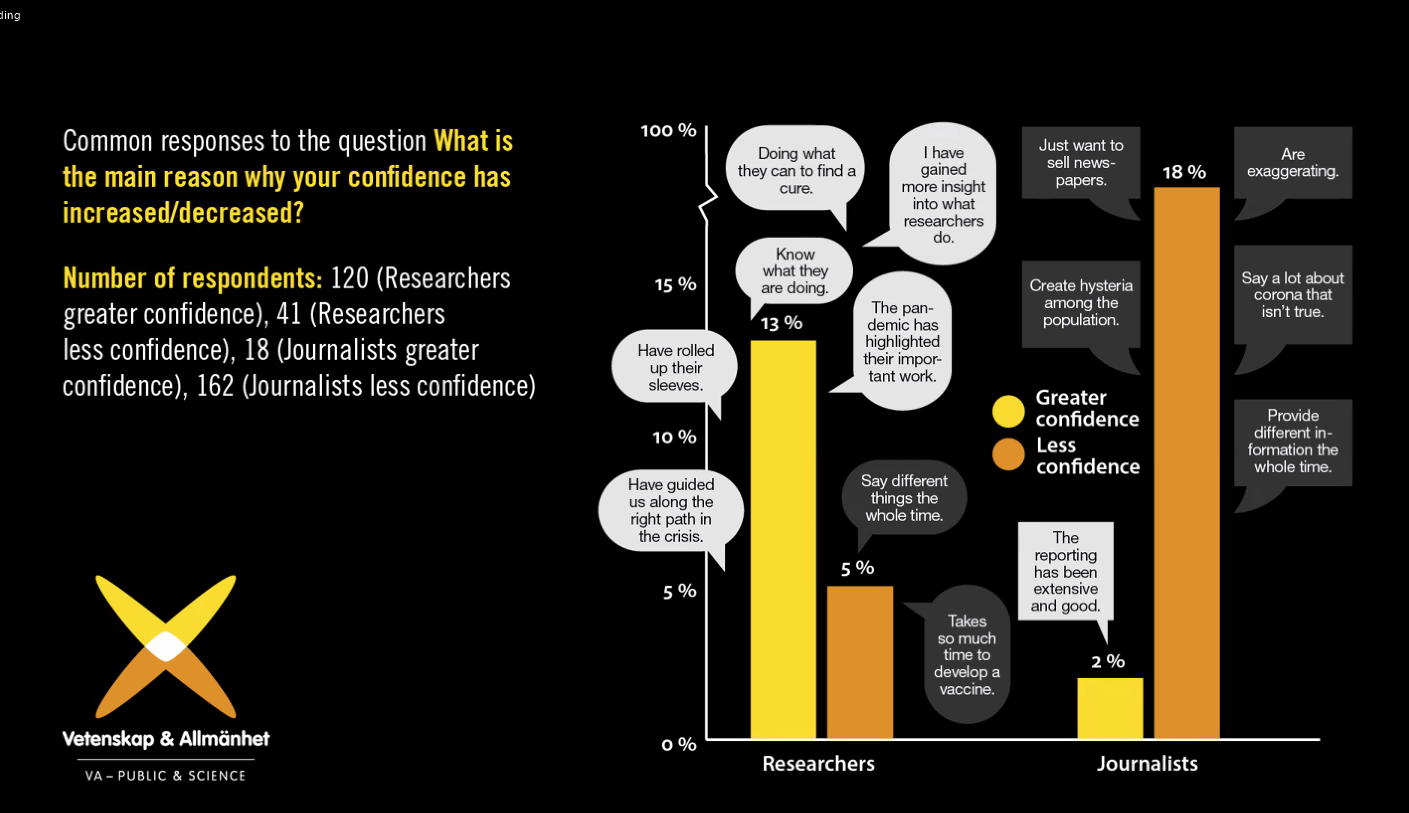
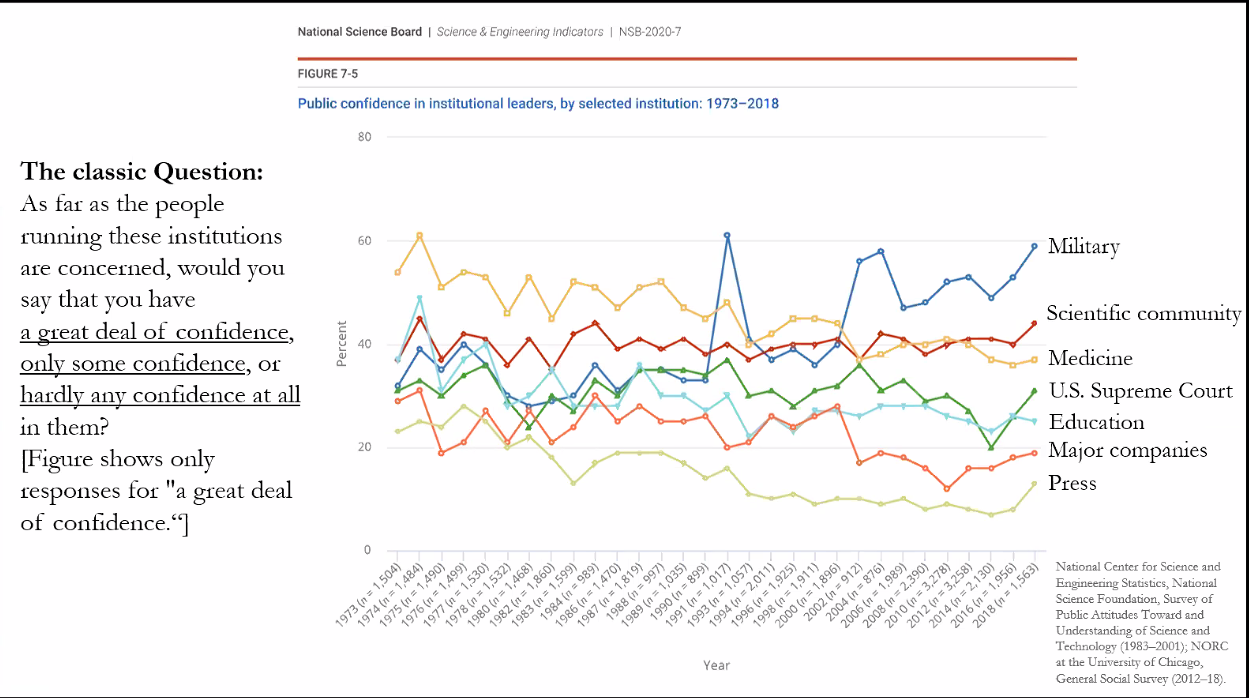
At #FSCC21 Cissi Askwall showed that the issue of trust in science is linked to trust in journalism. Jayesh Shah used the historical series of the Ipsos MORI Veracity Index to show that trust in scientists actually increased significantly since 1997.
Carlo Gubitosa :nonviolenza: · @gubi
4313 followers · 29321 posts · Server sociale.networkOggi è iniziata #FSCC21, la conferenza internazionale sul futuro della comunicazione scientifica. Dalle scienze umani e sociali raccolgo tre suggerimenti per il prof. Burioni:
- L'affidabilità della scienza va comunicata, mai data per scontata.
- Le persone non si convincono su basi scientifiche, devi cercare un aggancio emotivo e valoriale.
- Per capire come si fa si può studiare come ha fatto Israele a convincere gli Ultraortodossi a vaccinarsi. (Spoiler: non li hanno blastati sui social).
Carlo Gubitosa :nonviolenza: · @gubi
4313 followers · 29321 posts · Server sociale.network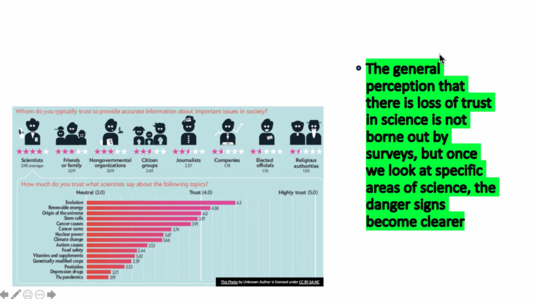
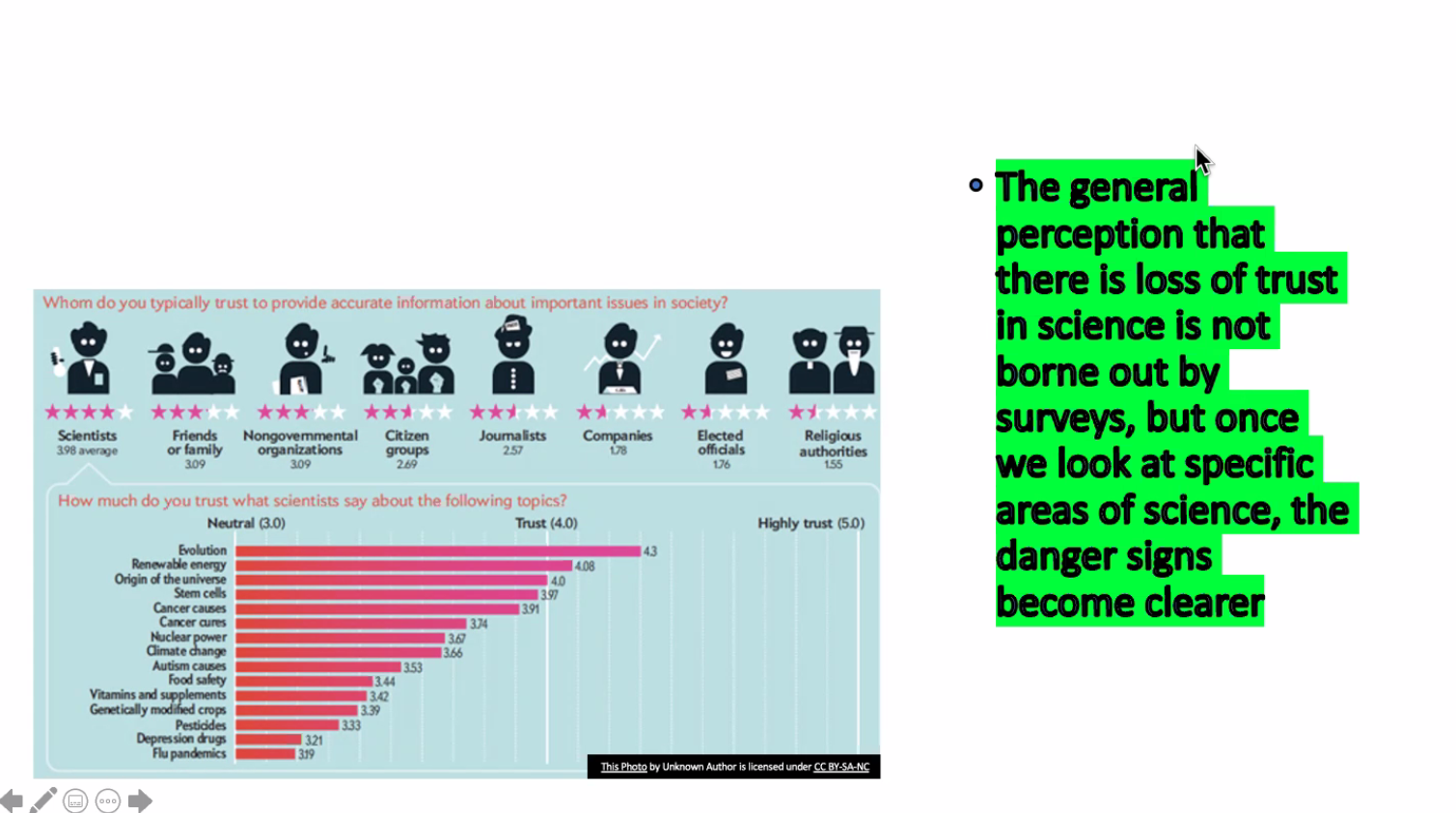
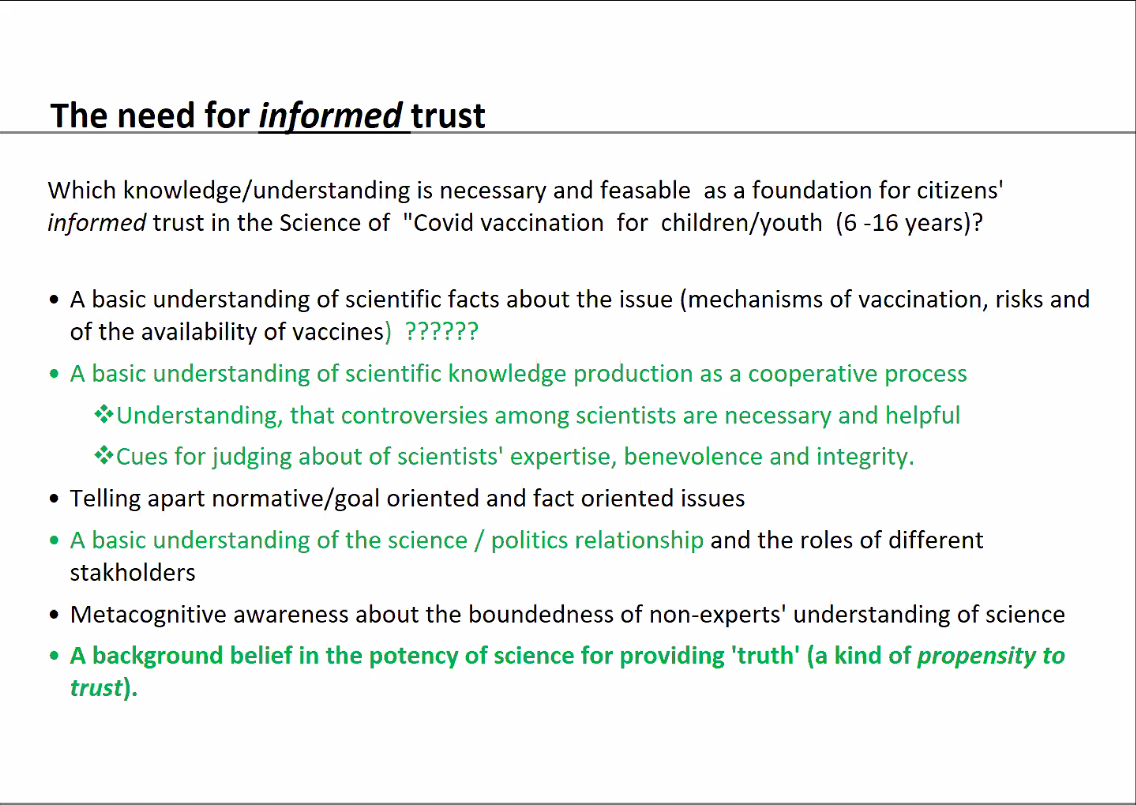
#scicomm At #FSCC21 Maria Baghramian tells that under a generalized trust in science, some topics may become critical. For the case of distrust on scientific advice for Covid-19 pandemic measures, the causes of distrust can be found in world views, political positioning, historic injustices experienced with national healthcare systems by black minorities in US, women in Ireland, Pakistan people where vaccination was used as a cover for intelligence gathering. Solution: build a CLIMATE OF TRUST.
Carlo Gubitosa :nonviolenza: · @gubi
4313 followers · 29321 posts · Server sociale.network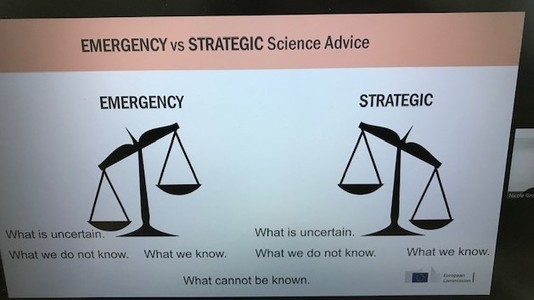
RT @Ninad_Bondre@twitter.com
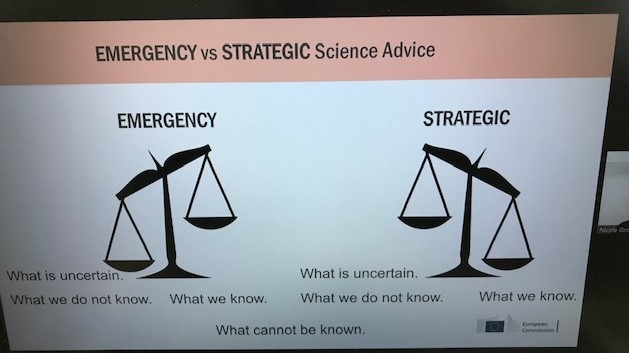
Nicole Grobert on the distinction between emergency and strategic scientific advice #FSCC21
🐦🔗: https://twitter.com/Ninad_Bondre/status/1408047130384666626
Carlo Gubitosa :nonviolenza: · @gubi
4313 followers · 29321 posts · Server sociale.networkRT @mss7676@twitter.com
"The Future of #ScienceCommunication? Perspectives from #SciComm Research": Thanks for having me & for the interesting Q&A after my #fscc21 talk! 🙏
The slides are available here 👇
https://www.slideshare.net/mikesschaefer/the-future-of-science-communication-perspectives-from-scicomm-research
#FSCC21 #scicomm #ScienceCommunication
Carlo Gubitosa :nonviolenza: · @gubi
4313 followers · 29321 posts · Server sociale.network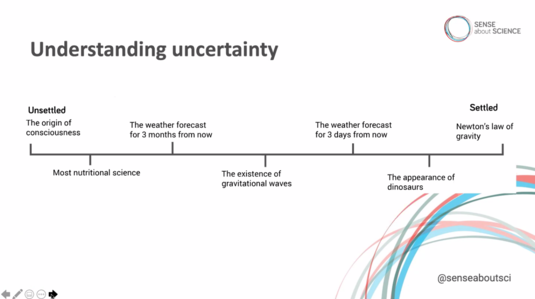
Carlo Gubitosa :nonviolenza: · @gubi
4313 followers · 29321 posts · Server sociale.network
Carlo Gubitosa :nonviolenza: · @gubi
4313 followers · 29321 posts · Server sociale.network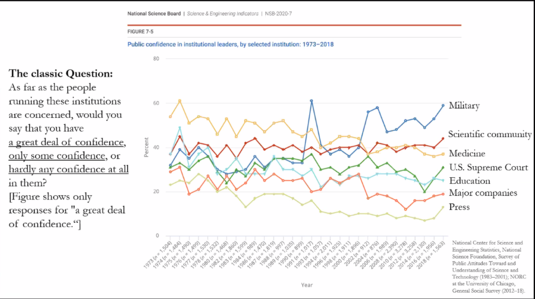
Carlo Gubitosa :nonviolenza: · @gubi
4313 followers · 29321 posts · Server sociale.network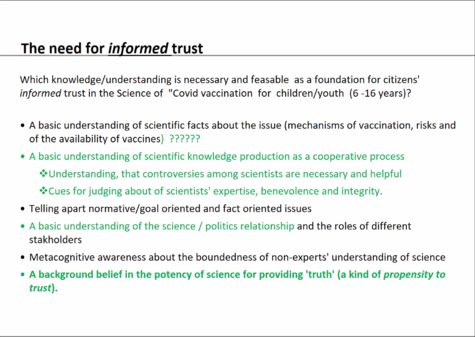
Carlo Gubitosa :nonviolenza: · @gubi
4313 followers · 29321 posts · Server sociale.network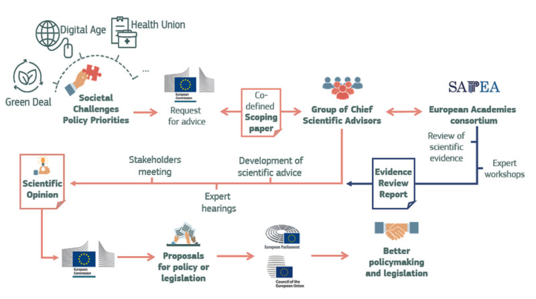
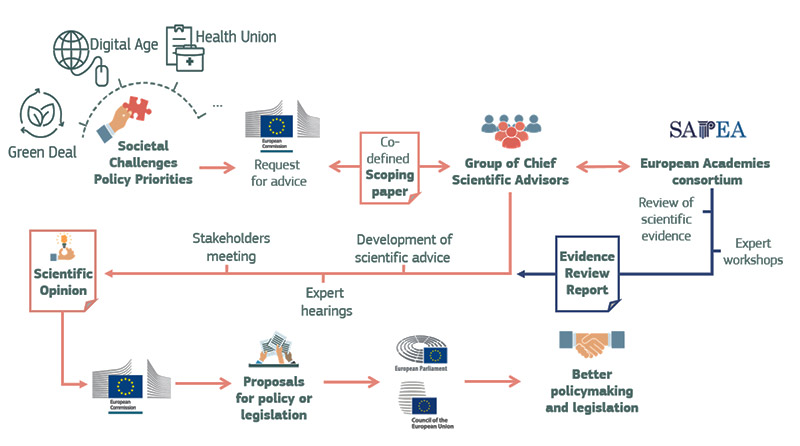
At #FSCC21 Nicole Grobert explained the functioning of the European Commission's Scientific Advice Mechanism for promoting science-based policies, and the role of the Group of Chief Scientific Advisors where she is one of the members.
Carlo Gubitosa :nonviolenza: · @gubi
4313 followers · 29321 posts · Server sociale.network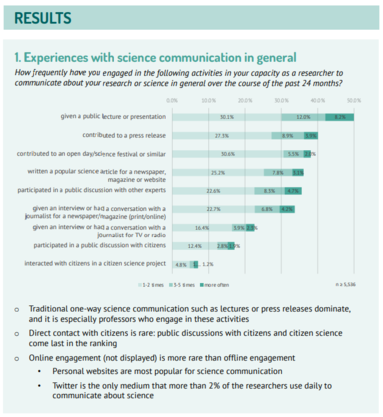
And last but not least, the final poster on the list of works presented at the #FSCC21 conference in Berlin of the future of #Scicomm, promoted by #Allea, the European Federation of Academies of Sciences and Humanities.
(they were so many that this didn't fit in my previous toots) 😅
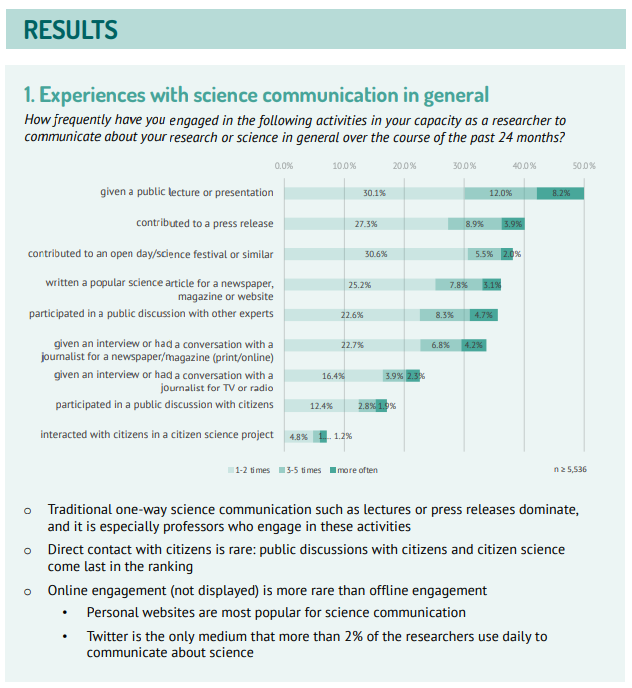
Perspectives on science communication: A closer look at the views of researchers in Germany
Carlo Gubitosa :nonviolenza: · @gubi
4313 followers · 29321 posts · Server sociale.network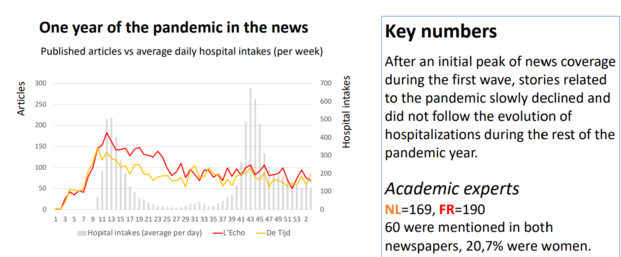
Even more posters presented at the #FSCC21 conference in Berlin promoted by #Allea:
Covid-related academic expertise in Belgian financial newspapers
https://www.researchgate.net/profile/Ingrid_Van_Marion
Trust in science measured in DE with "Science Barometer" in the context of the Covid-19 pandemic
https://www.wissenschaft-im-dialog.de/en/our-projects/science-barometer/
Science attitudes in Ireland
https://www.sfi.ie/engagement/barometer/SFI-Science-in-Ireland-Barometer-2020-Research-Report.pdf
Epistemic burden in #scicomm
https://www.researchgate.net/profile/George-Barimah
Integrated process for participatory curriculum
development
Carlo Gubitosa :nonviolenza: · @gubi
4313 followers · 29321 posts · Server sociale.network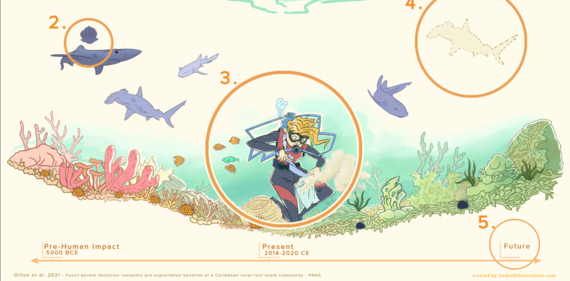
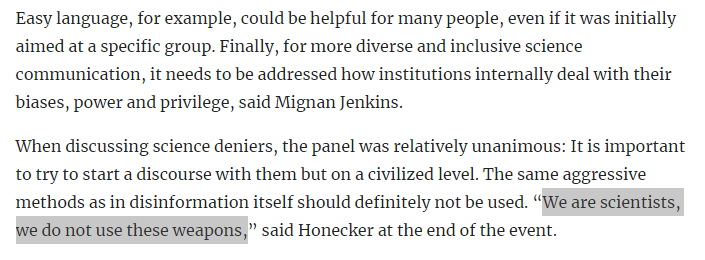
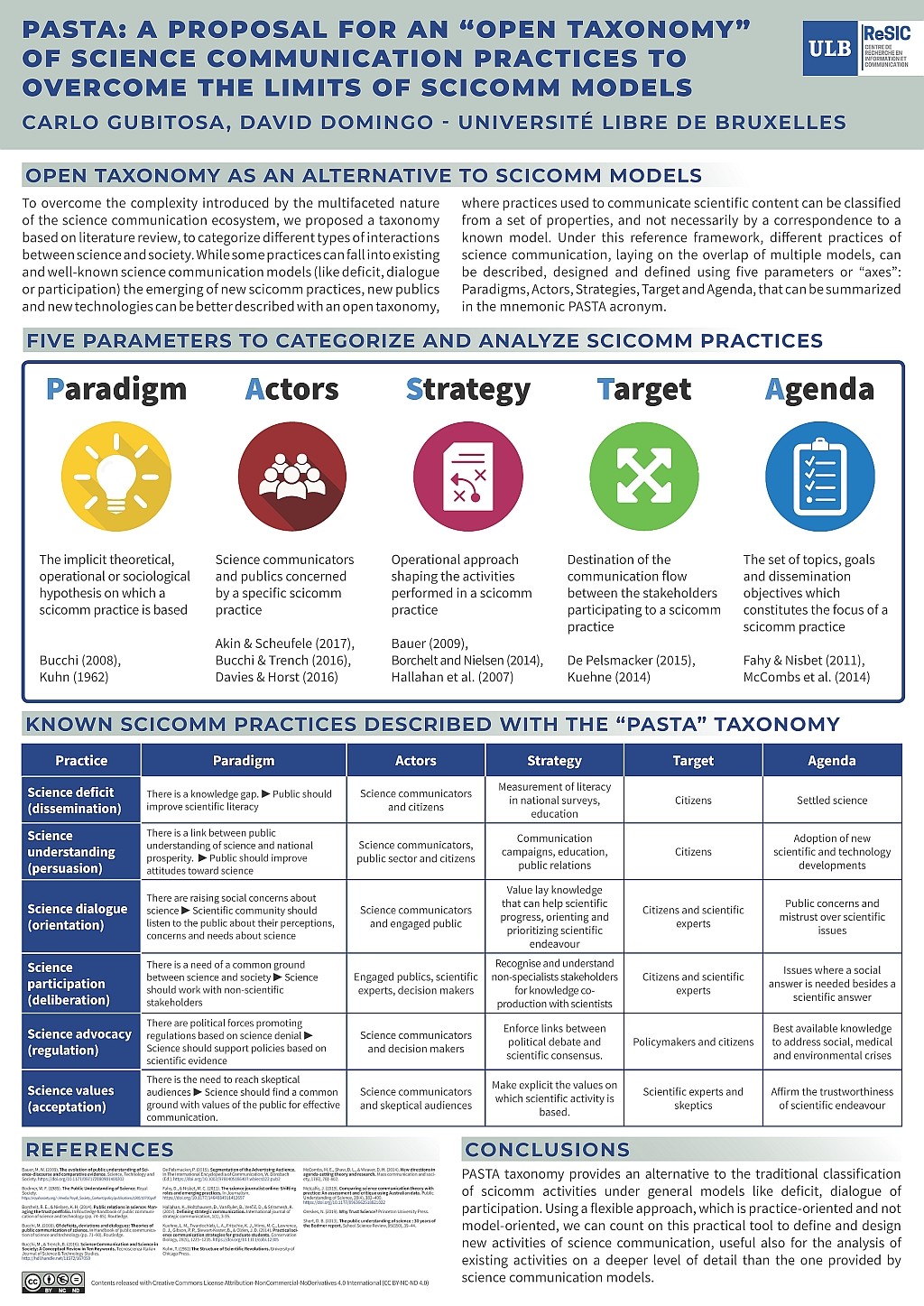
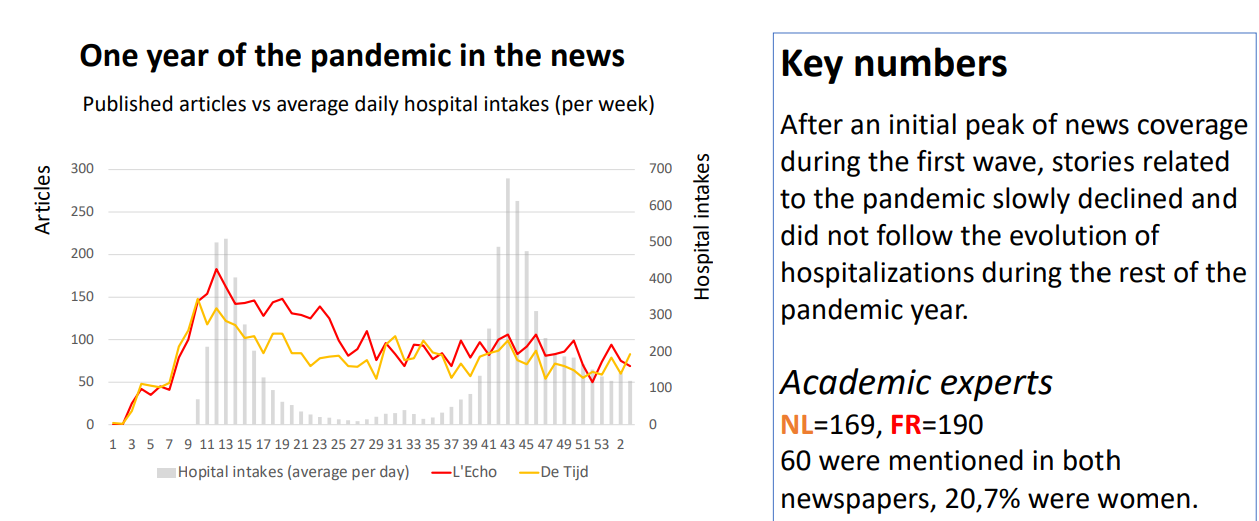
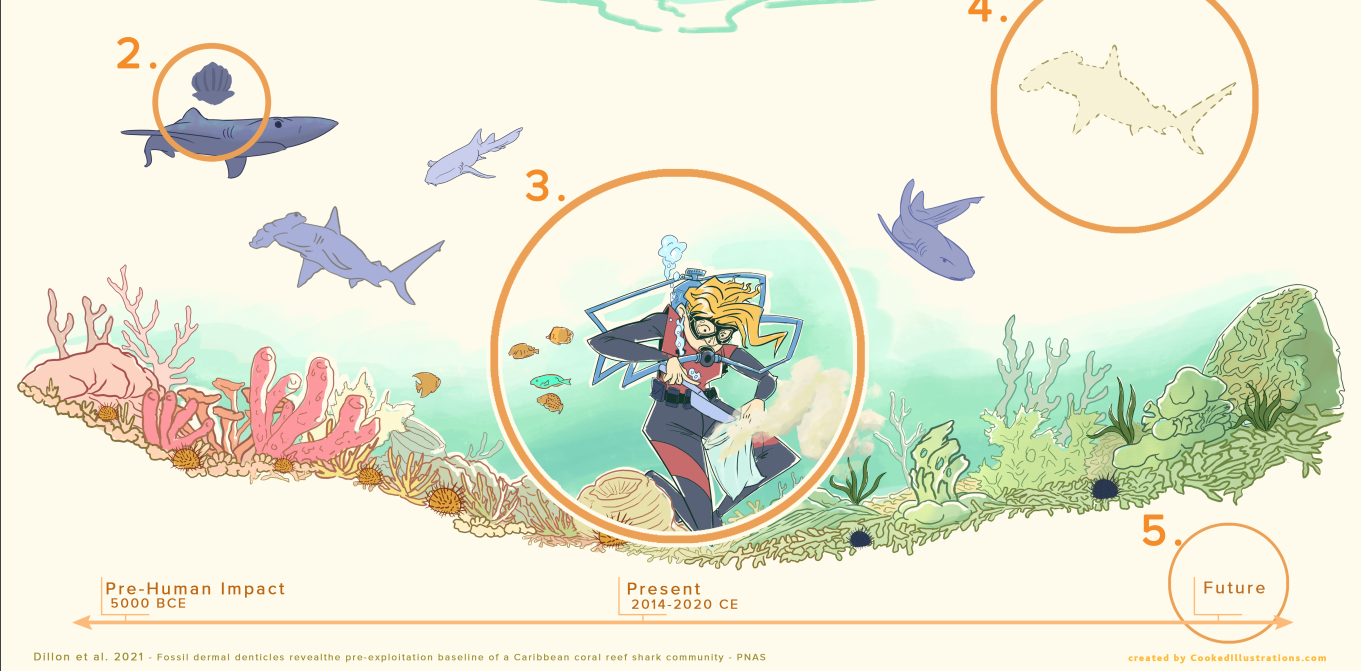
Other #scicomm posters brought at #FSCC21:
scientainment and edutainment to encourage science literacy and critical thinking
https://www.verein-besserwissen.de/
Bridging Science and Media in Estonia: researchers turned into "influencers" of science
https://www.etag.ee/wp-content/uploads/2018/01/teaduse-populariseerimine-ENG-tr%C3%BCkifail.pdf
Quantum Mechanics explained with Magic
The changing role of research institutions
https://www.transferwissenschaft.de/en/starta-2/
Using dermal denticles to reveal pre-exploitation shark communities