
Michael Busch · @michael_w_busch
578 followers · 1172 posts · Server mastodon.online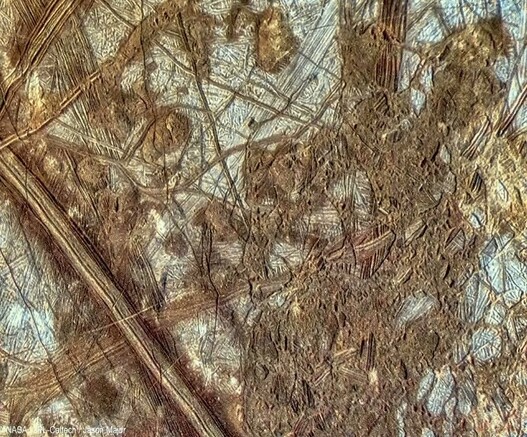
Pretty good moon.
And following the Juno flybys, we must wait for @EuropaClipper@twitter.com for more pictures.
RT @SETIInstitute@twitter.com
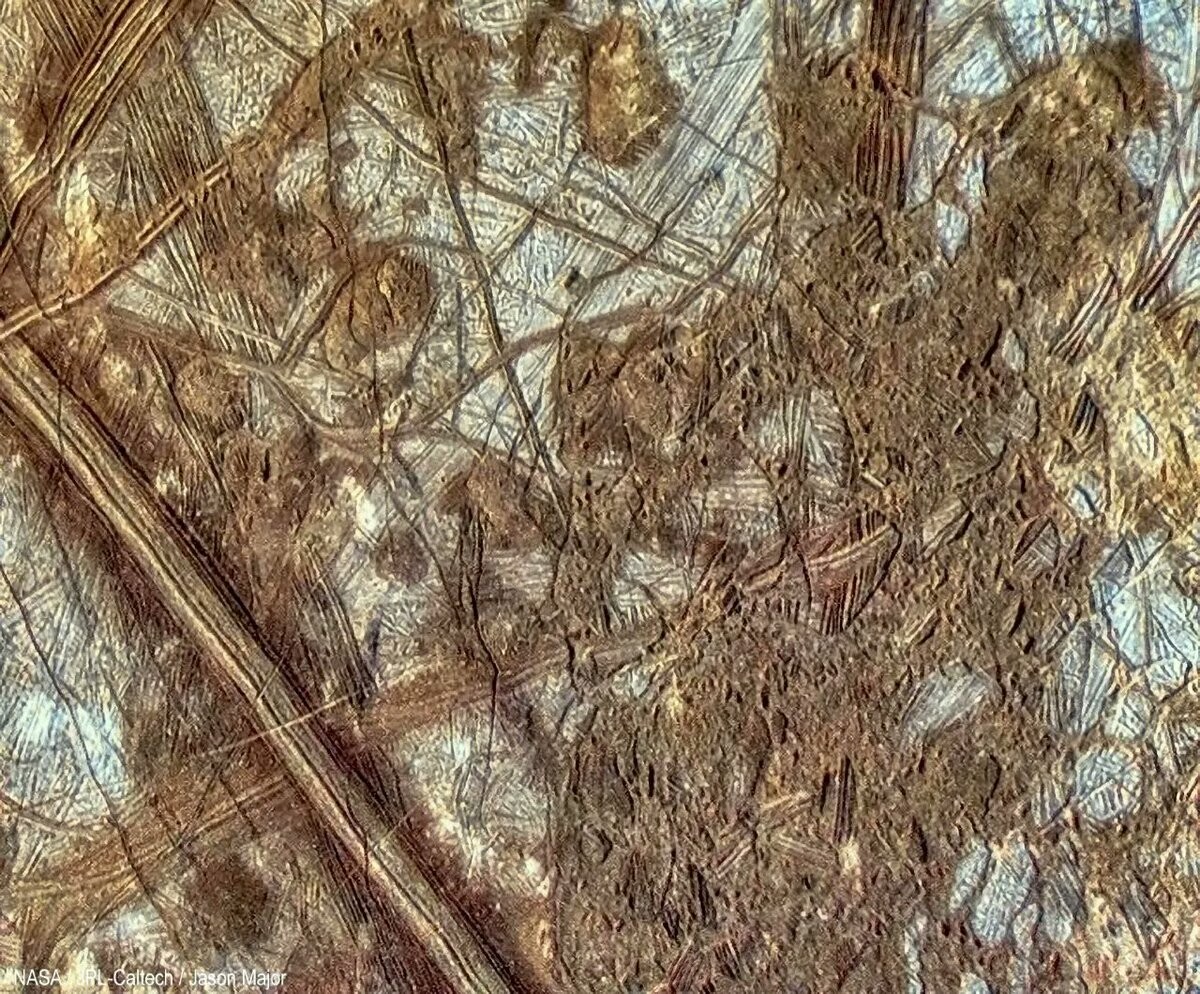
#PPOD: This color-composite image of Jupiter's moon Europa was captured in IR, G, and UV filters on December 15, 1997, by NASA's Galileo spacecraft. Europa is a promising place to find present-day environments suitable for life beyond Earth. Credit: @NASA@twitter.com @NASAJPL@twitter.com @JPMajor@twitter.com
🐦🔗: https://twitter.com/SETIInstitute/status/1607399089829822471

Luis Iglesias · @sexmero
3 followers · 93 posts · Server mastodon.online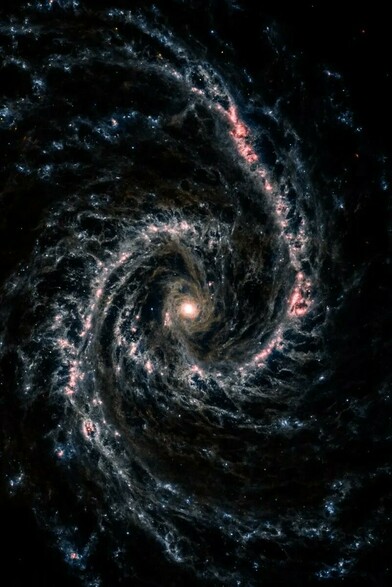
RT @SETIInstitute@twitter.com
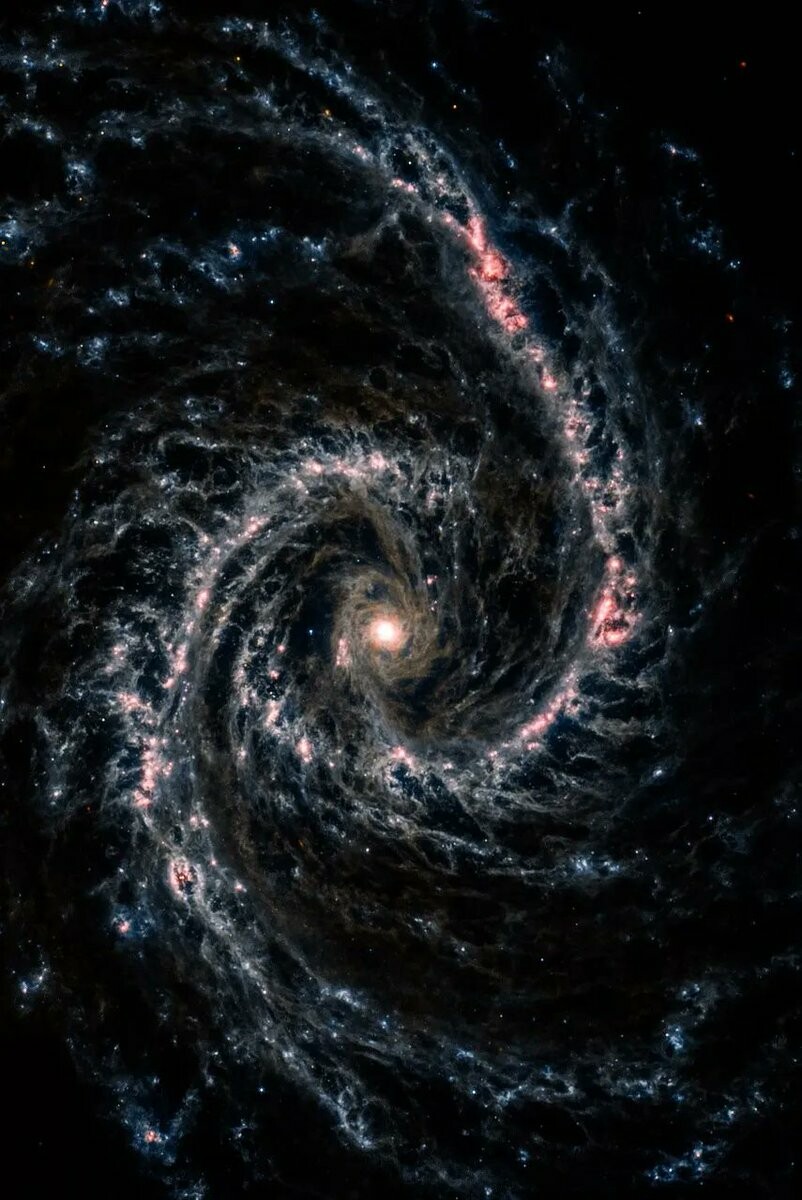
#PPOD: Enjoy this new image from @NASAWebb@twitter.com's MIRI of spiral galaxy NGC 1566. The colors in this image come from the emission of dust, although hardly any stars are visible. The reddish areas correspond with star formation. Credit: @NASA@twitter.com @esa@twitter.com @csa_asc@twitter.com @stsci@twitter.com @SpaceGeck@twitter.com
🐦🔗: https://twitter.com/SETIInstitute/status/1602325659648499712
Michael Busch · @michael_w_busch
370 followers · 495 posts · Server mastodon.online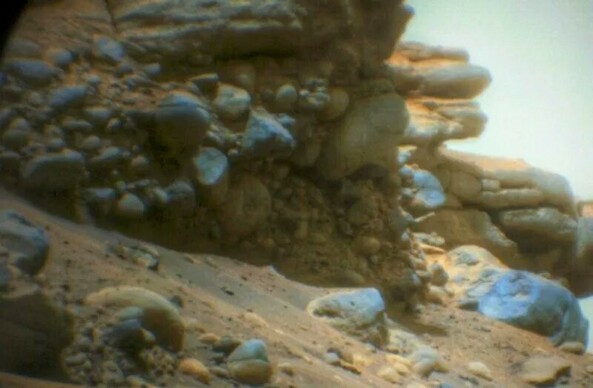
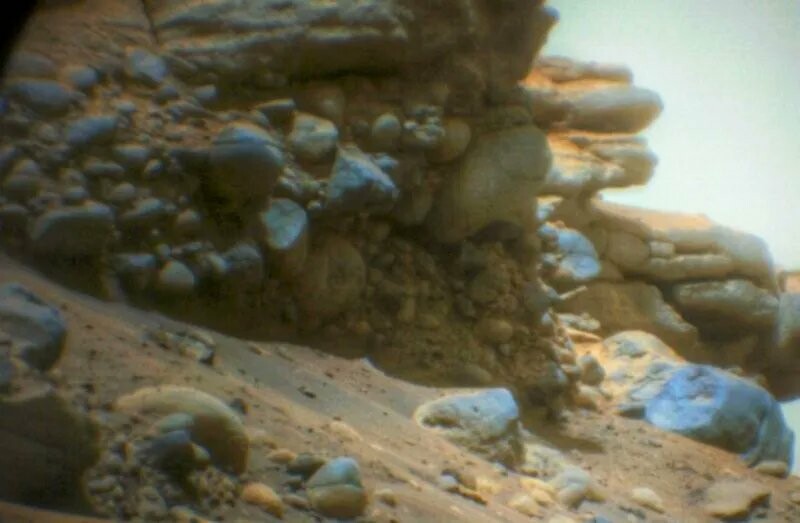
Pretty good rocks.
RT @SETIInstitute@twitter.com
#PPOD: Water-rounded rocks as seen by @NASAPersevere@twitter.com's Supercam, embedded in the layers of the preserved river delta. This image was acquired on Nov. 17, 2022. See the #Mars2020 multimedia raw images gallery: https://buff.ly/3AsXAlp Credit: @NASA@twitter.com @NASAJPL@twitter.com @Caltech@twitter.com LANL/CNES/IRAP
🐦🔗: https://twitter.com/SETIInstitute/status/1594715517419413504
Michael Busch · @michael_w_busch
235 followers · 403 posts · Server mastodon.online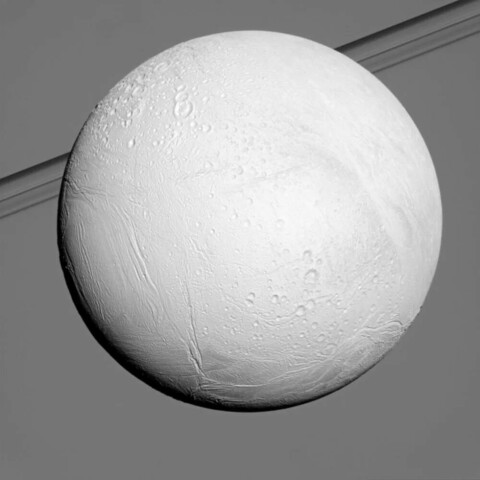
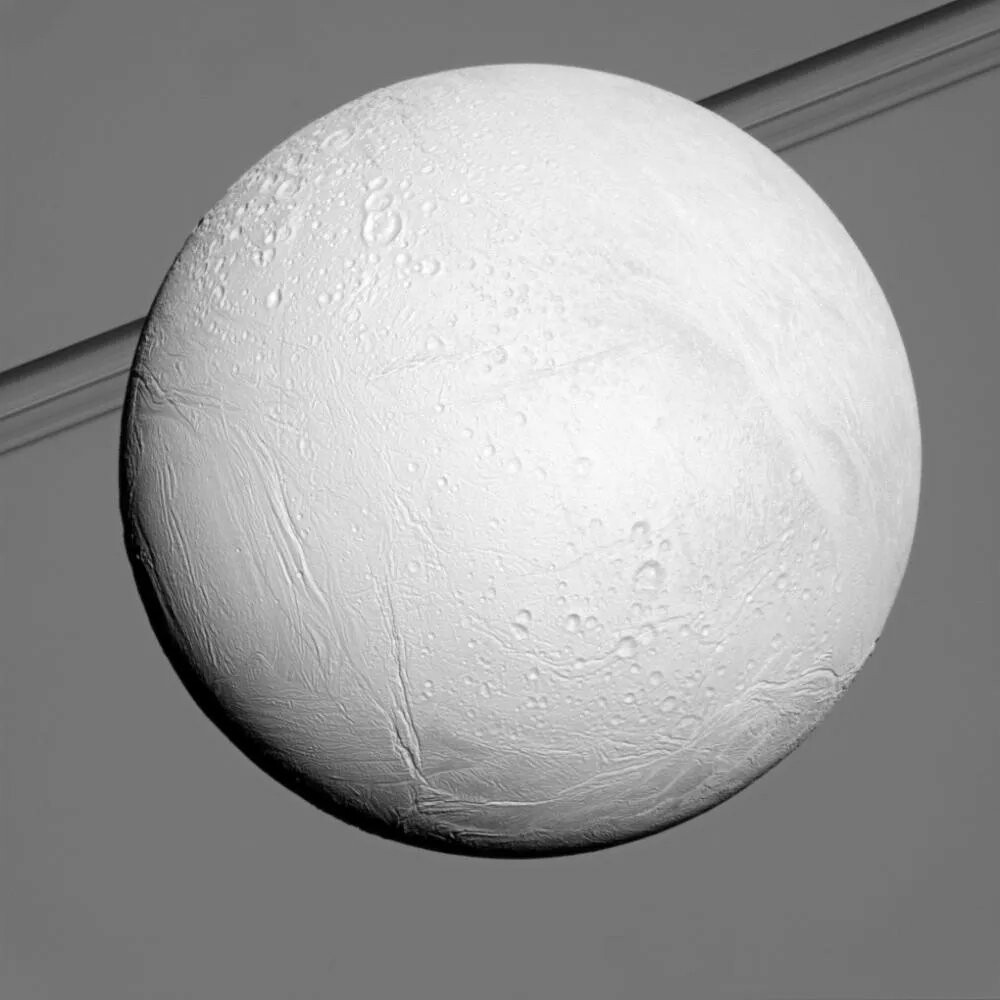
Shiny.
RT @SETIInstitute@twitter.com
#PPOD: Saturn's moon #Enceladus reflects sunlight brightly while the planet and its rings fill the background of this @CassiniSaturn@twitter.com view. Enceladus is one of the most reflective bodies in the solar system. Credit: @NASA@twitter.com @NASAJPL@twitter.com @Caltech@twitter.com @spacescienceins@twitter.com
🐦🔗: https://twitter.com/SETIInstitute/status/1593628351020793859

Cédric Champeau · @melix
517 followers · 773 posts · Server mastodon.xyz
RT @SETIInstitute@twitter.com
#PPOD: Einstein rings occur when a distant galaxy has been magnified and warped into an almost-perfect ring by a massive galaxy in front of it. @NASAWebb@twitter.com imaged this galaxy called SPT-S J041839-4751.8, 12 billion light-years away. Credit: @NASA@twitter.com @esa@twitter.com @csa_asc@twitter.com @stsci@twitter.com u/spaceguy44
🐦🔗: https://twitter.com/SETIInstitute/status/1564259837118070784

Ascendor · @Ascendor
145 followers · 3141 posts · Server social.tchncs.de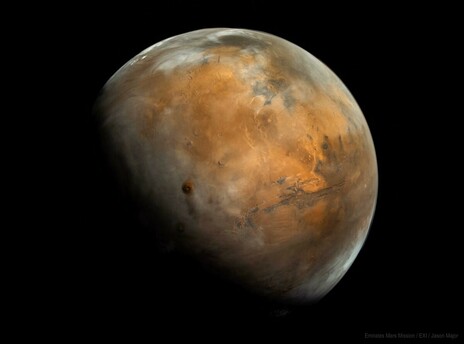
RT @SETIInstitute@twitter.com
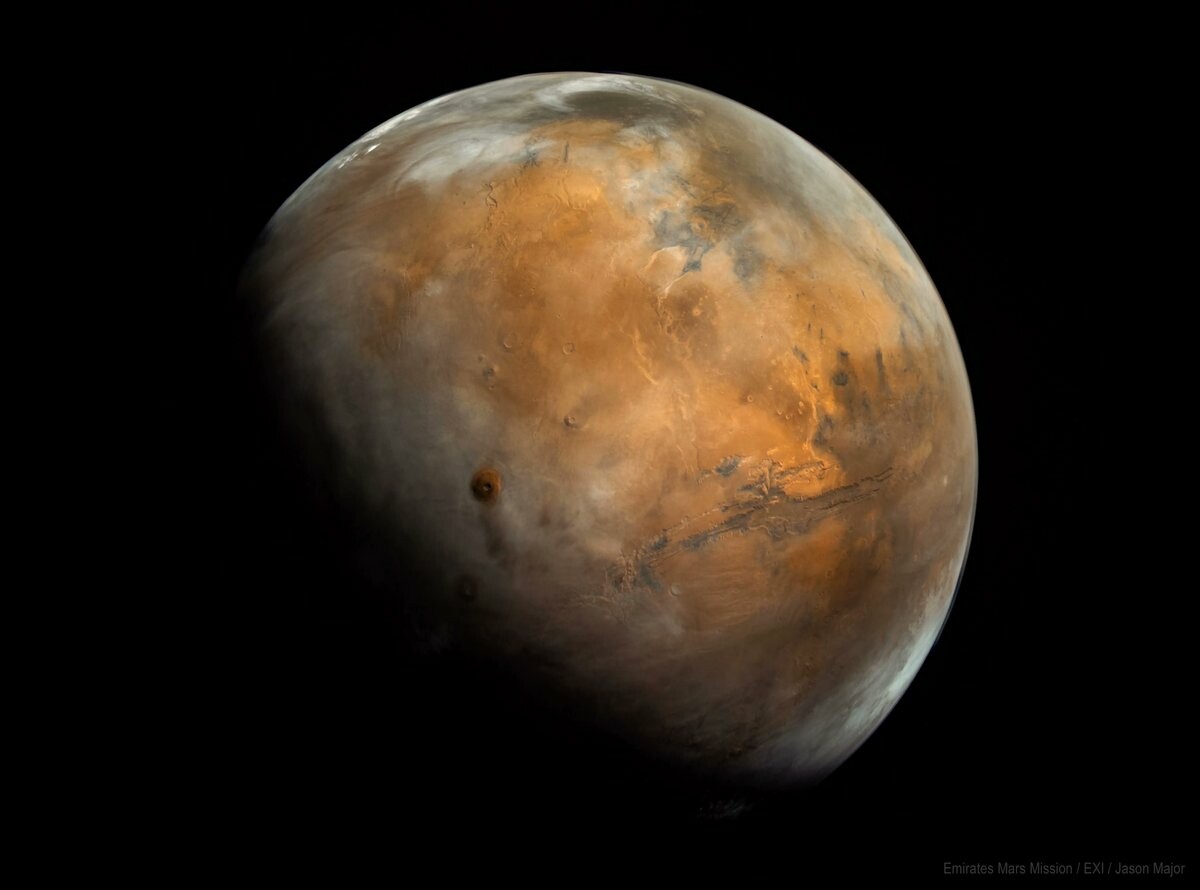
#PPOD: A view of #Mars made from images captured with the EXI camera aboard the UAE's @HopeMarsMission@twitter.com on November 22, 2021, from a distance of about 20,100 kilometers. North on Mars here is to the upper left. Credit: Emirates Mars Mission / EXI / @JPMajor@twitter.com
🐦🔗: https://twitter.com/SETIInstitute/status/1511713604546043907

DeFrisselle ☑️ · @defrisselle
261 followers · 10660 posts · Server mastodon.sdf.org
RT @SETIInstitute
#PPOD: This spectacular composite photo of Comet C/2021 A1 (Leonard) was taken in Quebec during a frigid Canadian night in December 2021. The comet has spent most of the last 40,000 years inbound toward the Sun and will now exit our solar system. Credit: @optiquevideo

massimo sandal e i suoi mammut · @massimosandal
82 followers · 9915 posts · Server mastodon.bida.im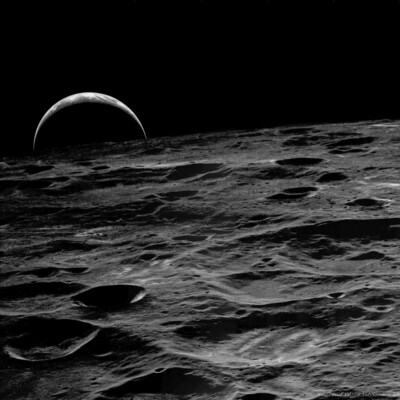


RT @SETIInstitute@twitter.com
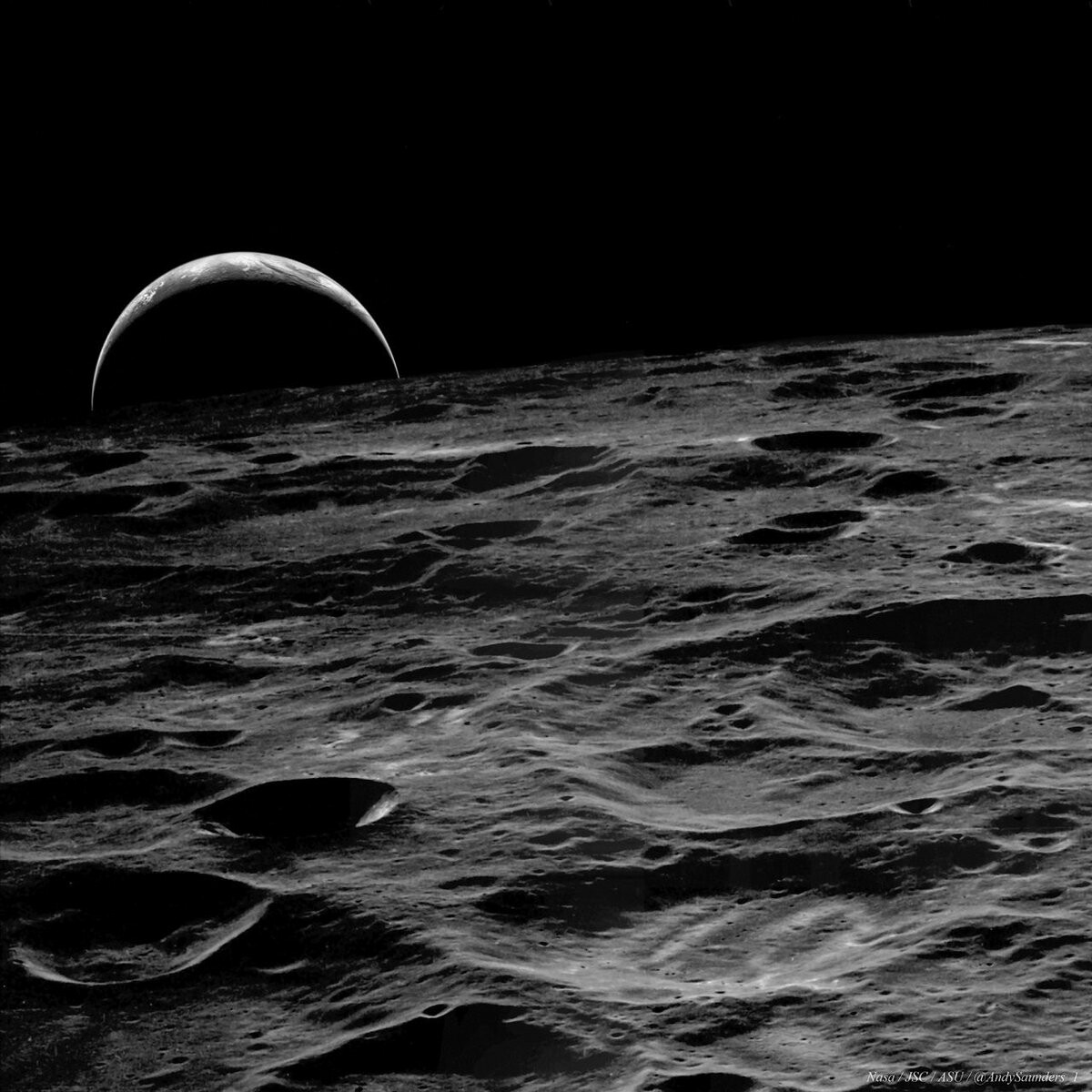
#PPOD: Earthrise
On February 7, 1971, the crew of the Apollo 14 mission left the Moon's orbit and headed back to Earth. They captured this Earthrise image from the command module Kitty Hawk as they left.
Credit: Apollo 14, @NASA@twitter.com, JSC, @ASU@twitter.com
Image Reprocessing: Andy Saunders
🐦🔗: https://twitter.com/SETIInstitute/status/1453731542971285509