
The European Network · @TheEuropeanNetwork
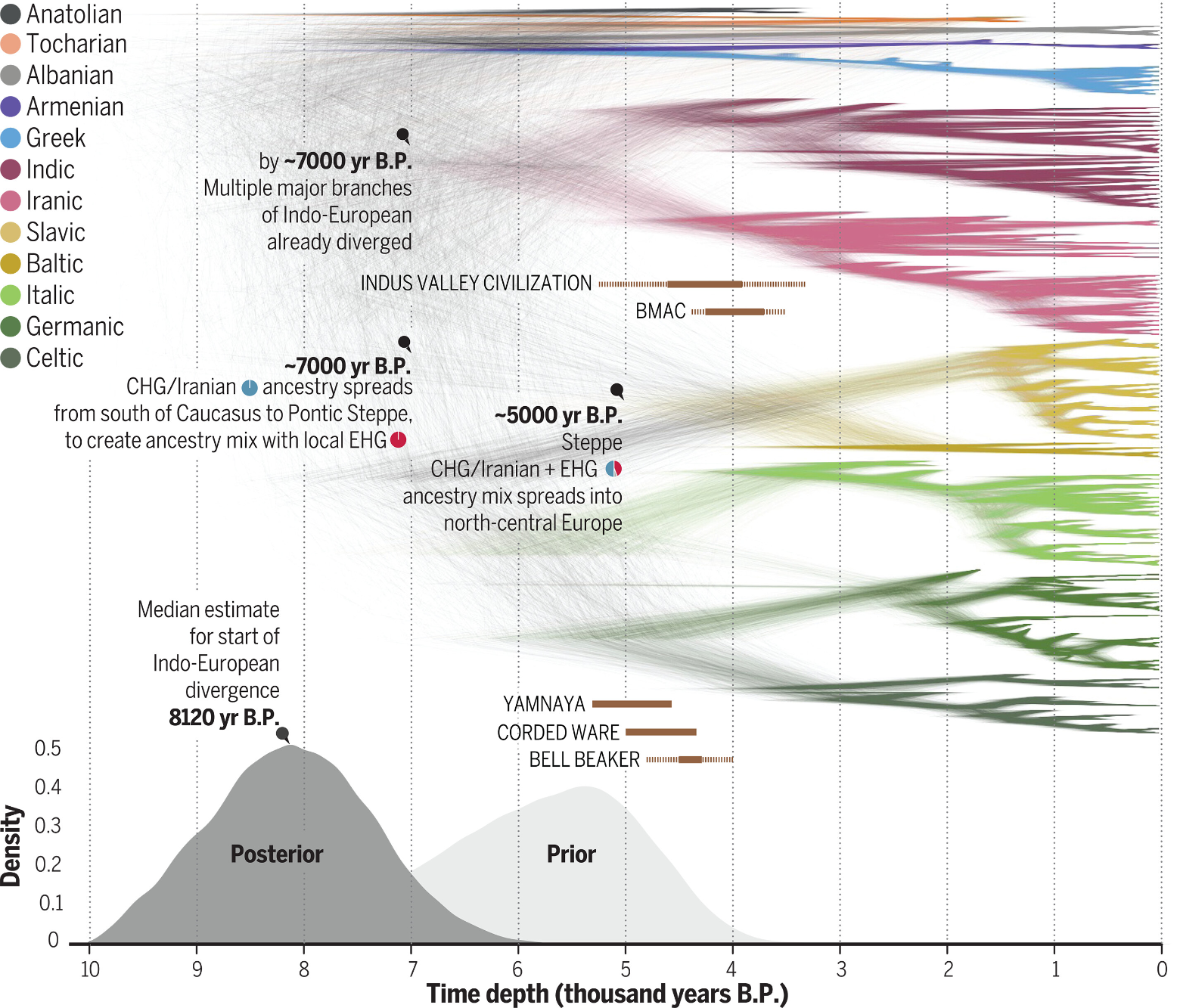
2532 followers · 1904 posts · Server mstdn.socialIndo-European dialects dispersed across Eurasia in successive waves over the course of 8,000 years.
Word origins and ancient DNA reveal the evolutionary path traveled by the languages spoken by half the world.
#Europe #Eurasia #Languages #IndoEuropean #ProtoIndoEuropean #Science #Anthropology
#anthropology #Science #ProtoIndoEuropean #indoeuropean #languages #eurasia #Europe

Seán na bhFritíortha · @seanos
55 followers · 335 posts · Server aus.social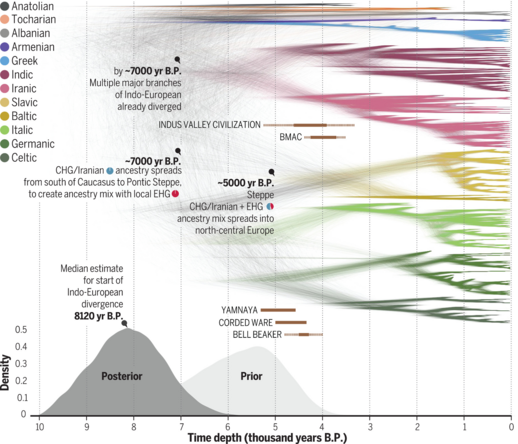
Cé nach bhfuil tuiscint mhaith agam ar eolaíocht na staitisticí ná cáilíocht ar bith mar theangeolaí, beidh amhras orm i gcónaí faoi anailísí staitistiúla ar stair na hInd-Eorpaise. Bíonn gach cineál staire casta; ní théann cúrsaí ar aghaidh ar luas réidh ach i dtreallanna fuadair is tréimhsí síocháin. Níl ach an achoimre léite agam ar ndóigh, ach tá cúpla rud ann a d’fhág mé ag tochas mo chinn: na teangacha Ceilteacha níos gaire do na teangacha Gearmánacha ná na teangacha Iodálacha; agus easpa fianaise go raibh scoilt ar leith idir na teangacha Anatólacha is na teangacha eile (mar ghrúpa comhleanúnach).
#pie #protoindoeuropean #linguistics
“Language trees with sampled ancestors support a hybrid model for the origin of Indo-European languages”
#pie #ProtoIndoEuropean #linguistics
Freedom2B · @Freedom2B
95 followers · 703 posts · Server kolektiva.socialfrom PIE *dakru- (source also of Latin lacrima, Old Latin dacrima, Irish der, Welsh deigr, Greek dakryma
#OldEnglish
#ProtoIndoEuropean
#Greek
#Latin
#Irish
#Welsh
#tear
#lácrima
#dakru
#oldenglish #ProtoIndoEuropean #greek #latin #irish #welsh #tear #lacrima #dakru
Freedom2B · @Freedom2B
95 followers · 703 posts · Server kolektiva.socialartery: muscular-walled tubes forming part of the circulation system by which blood is conveyed from the heart to all parts of the body.
-Oxford English Dictionary
Ojibwe: gimiskweyaab(iin) (your artery)
Old English: gēotend-ǣder, f.n: vein, artery. (YAY-oh-tend-ADD-er / ˈjeːɔ-tɛnd-ˌæː-dɛr)
from Greek arteria "windpipe," also "an artery," as distinct from a vein; related to aeirein "to raise" (see aorta).from Greek arteria "windpipe," also "an artery," as distinct from a vein; related to aeirein "to raise" (see aorta).
14c.-16c. artery in English also could mean "trachea, windpipe."
possibly from PIE root *wer- (1) "raise, lift, hold suspended."
-Etymology Online
from Ancient Greek ᾰ̓ρτηρῐ́ᾱ (artēríā, “windpipe; artery”).
from Proto-Indo-European *h₂wér-ye-ti, from Proto-Indo-European *h₂wer-.
-Wikipedia
#artery
#windpipe
#trachea
#wer
#ᾰ̓ρτηρῐ́ᾱ
#artēríā
#hwéryeti
#hwer
#etymology
#English
#OldEnglish
#Ojibwe
#Greek
#ProtoIndoEuropean
#artery #windpipe #trachea #WER #ᾰρτηρῐᾱ #arteria #etymology #english #greek #ProtoIndoEuropean #hweryeti #hwer #Ojibwe #oldenglish
P Gurgel-Segrillo · @GurgelSegrillo
385 followers · 2264 posts · Server mastodon.ieGreece and India's ancient ties run deep, from language to shared pantheon and historical learning. By: Vikram Zutshi
#India #greece #History #culture #Eurasia #languages #ProtoIndoEuropean #IndoAryanlanguages #Greek #GreeceandIndia
#india #greece #history #culture #eurasia #languages #ProtoIndoEuropean #indoaryanlanguages #greek #greeceandindia

Ed Suominen · @edsuom
1467 followers · 440 posts · Server hachyderm.io
2/🧵
And the word for Mother, and Mutter, madre etc., is just as ancient.
https://mastodonapp.uk/@ancientsounds/110303852253463497
The speakers of our #ProtoIndoEuropean common ancestor language to the ones now spoken from childhood by half the world lived in the region now being shaken by war after #Russia tried to invade #Ukraine and this far has thankfully failed—but at a grievous cost to the defending nation. The ancestors of both warring sides (and myself, from both my #Finnish and #German ic halves) waged battle…
#ProtoIndoEuropean #russia #ukraine #finnish #german
Ed Suominen · @edsuom
1467 followers · 440 posts · Server hachyderm.io2/🧵
And the word for Mother, and Mutter, madre etc., is just as ancient.
https://mastodonapp.uk/@ancientsounds/110303852253463497
The speakers of our #ProtoIndoEuropean common ancestor language to the ones now spoken from childhood by half the world lived in the region now being shaken by war after #Russia tried to invade #Ukraine and this far has thankfully failed—but at a grievous cost to the defending nation. The ancestors of both warring sides (and myself, from both my #Finnish and #German ic halves) shot each other…
#ProtoIndoEuropean #russia #ukraine #finnish #german
Ed Suominen · @edsuom
1467 followers · 439 posts · Server hachyderm.ioSix thousand years ago, a boy called out, unsteadily, on horseback, to the man who had helped raise him along with his mother, who now showed him the way to sit atop one of the graceful beasts they often ate as well as rode, and in living memory had started hitching to carts.
What the boy said was probably something like this: “p∂tēr,” pronounced PAD-rrr with a guttural “r” deep down in the throat. This #ProtoIndoEuropean word resulted in not just Father but Vater, padre, and pater.
Ed Suominen · @edsuom
1467 followers · 439 posts · Server hachyderm.ioSix thousand years ago, a young man called out, unsteadily, on horseback to the man who had helped raise him along with his mother, who now showed him the way to sit atop one of the graceful beasts they often ate as well as rode, and in living memory had started hitching to carts.
What the boy said was probably something like this: “p∂tēr,” pronounced PAD-rrr with a guttural “r” deep down in the throat. This #ProtoIndoEuropean word resulted in not just Father but Vater, padre, and pater.
Ancient Sounds · @ancientsounds
382 followers · 1397 posts · Server mastodonapp.uk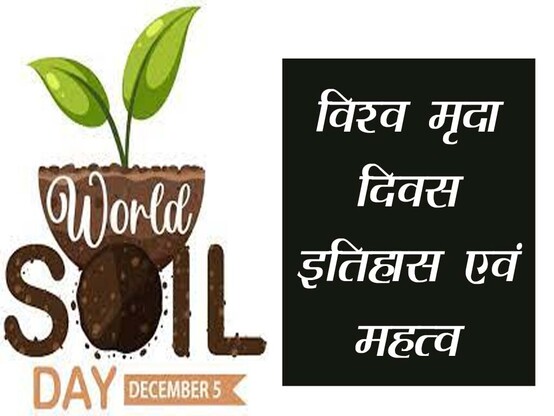
Audio Etymologies of the Day
"Mo(u)ld" descends from Proto-Indo-European *ml̥h₂-téh₂ [ml̩:teħ], something like this:
🔈http://www.ancientsounds.net/eastern-origins/mould-from-PIE-mlh2teh2.wav
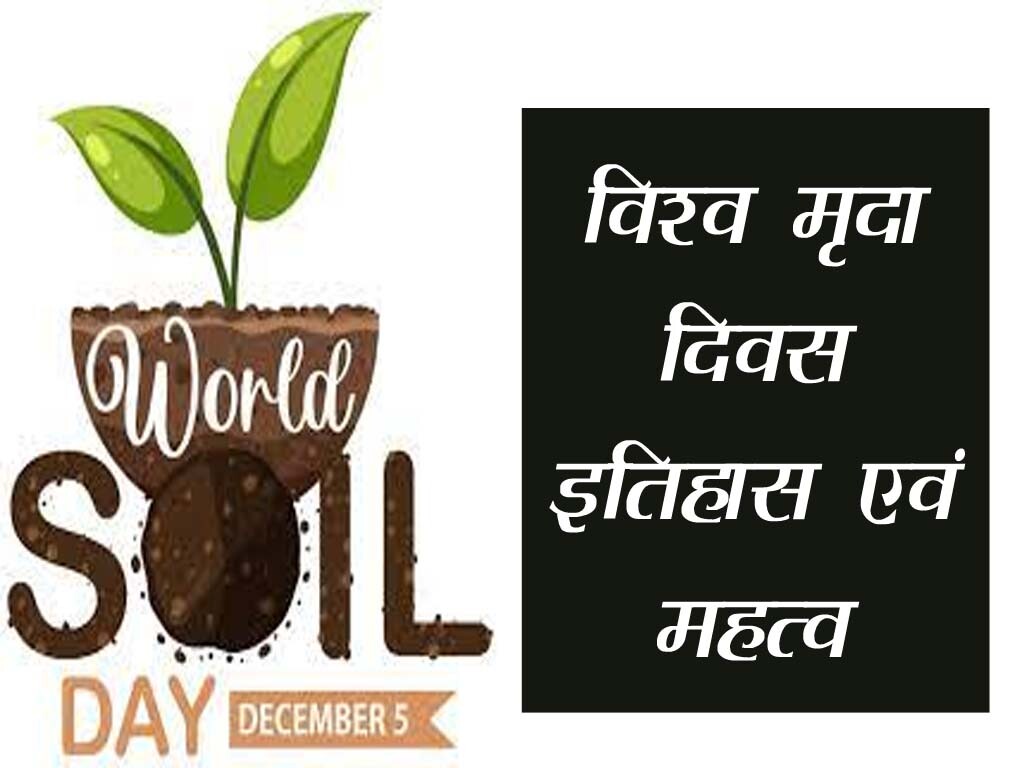
*ml̥h₂-téh₂ is from the root *melh₁-, which also lies behind "meal" and "mill". The derived form *ml̥h₂-tó- developed into Sanskrit and Hindi मृदा mrda “soil, clay”:
🔈http://www.ancientsounds.net/eastern-origins/PIE-mlh2dh-to-Sanskrit-mrda.wav
@linguistics #audio #etymology #phonetics #EnglishLanguage #ProtoIndoEuropean #Sanskrit #Hindi
#audio #etymology #phonetics #englishlanguage #ProtoIndoEuropean #Sanskrit #hindi
Ancient Sounds · @ancientsounds
380 followers · 1391 posts · Server mastodonapp.uk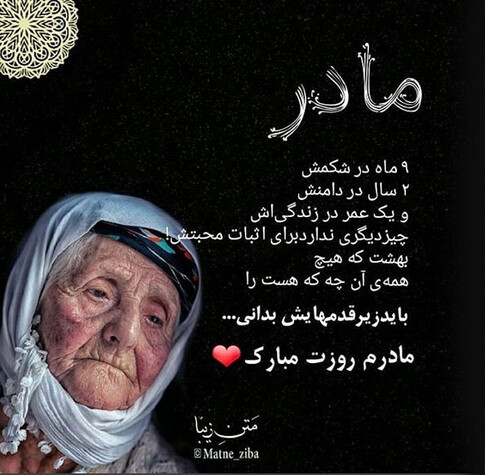
Audio Etymologies of the Day
"Mother" descends from Proto-Indo-European *meh₂tḗr [maté:r], earlier [meħté:r], something like this:
🔈http://www.ancientsounds.net/eastern-origins/mother-from-PIE-meh2ter.wav
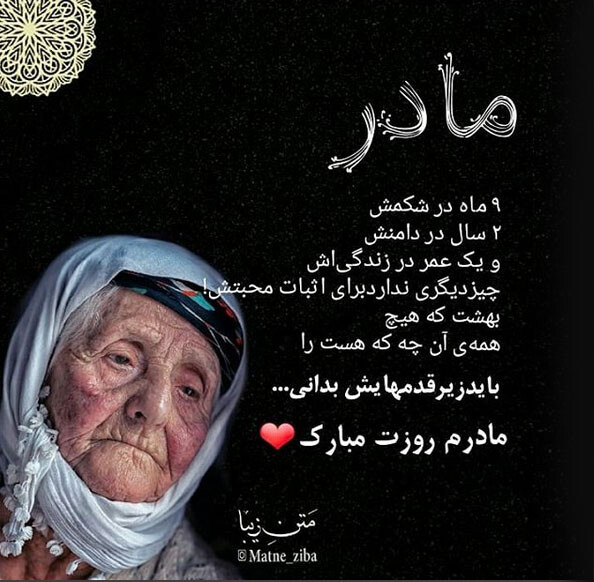
*meh₂tḗr also developed into Persian مادر modar:
🔈http://www.ancientsounds.net/eastern-origins/PIE-meh2ter-to-Persian-modar.wav
and related forms in most if not all other Indo-European languages.
@linguistics #audio #etymology #phonetics #EnglishLanguage #ProtoIndoEuropean #Persian
#audio #etymology #phonetics #englishlanguage #ProtoIndoEuropean #Persian
Ancient Sounds · @ancientsounds
380 followers · 1389 posts · Server mastodonapp.uk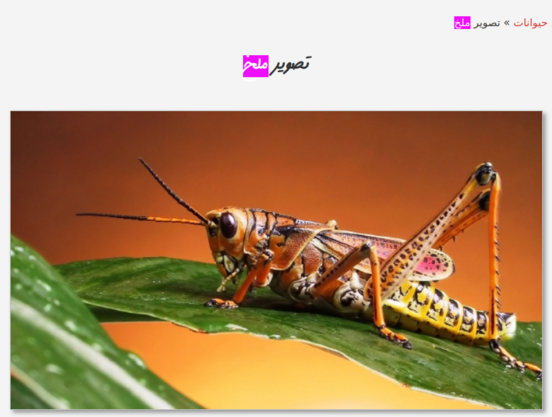
"Moth" descends from Proto-Indo-European *mot-, something like this:
🔈http://www.ancientsounds.net/eastern-origins/moth-from-PIE-mot.wav
"Maggot" also descends (via maddock, maðek) from the same stem:
🔈http://www.ancientsounds.net/eastern-origins/maggot-from-PIE-mot.wav
*mot- also developed into Belarusian мотыль matil “butterfly”:
🔈http://www.ancientsounds.net/eastern-origins/PIE-mot-to-Belarusian-matylj.wav
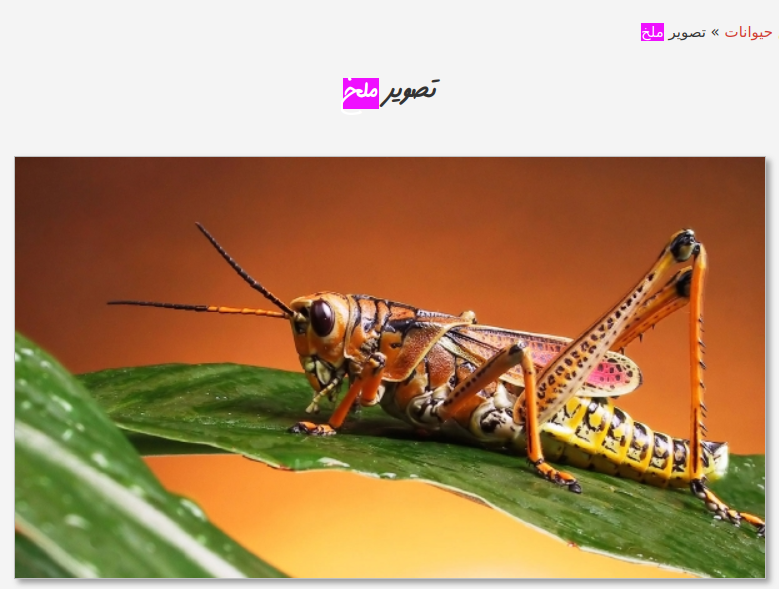
and Persian ملخ malakh “locust, grasshopper”, something like this:
🔈http://www.ancientsounds.net/eastern-origins/PIE-mot-to-Persian-malax.wav
@linguistics #audio #etymology #phonetics #EnglishLanguage #ProtoIndoEuropean #Belarusian #Persian
CW: picture of a grasshopper
#audio #etymology #phonetics #englishlanguage #ProtoIndoEuropean #Belarusian #Persian
Ancient Sounds · @ancientsounds
375 followers · 1351 posts · Server mastodonapp.uk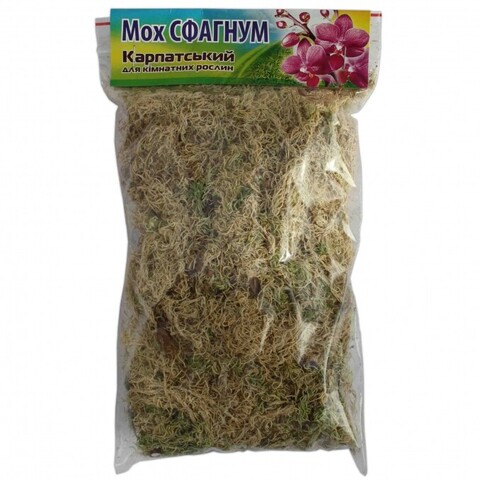
Audio Etymologies of the Day
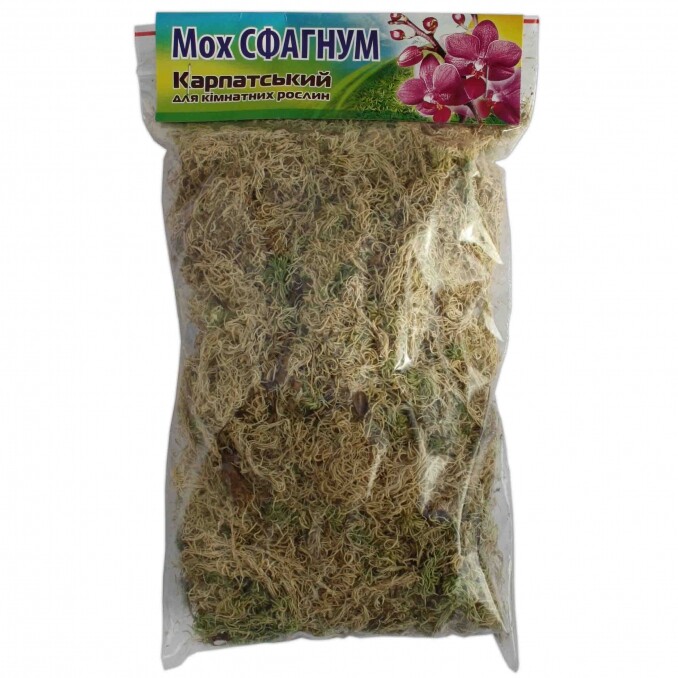
"Moss" descends from Proto-Indo-European *meus-, something like this:
🔈http://www.ancientsounds.net/eastern-origins/moss-from-PIE-meus.wav
A related form of the same root (the zero-grade) *mus-o-
🔈http://www.ancientsounds.net/eastern-origins/PIE-meus-to-PIE-muso.wav
descended into Ukrainian мох mokh:
🔈http://www.ancientsounds.net/eastern-origins/PIE-muso-to-Ukrainian-mox.wav
The same root also descended into Bosnian, Croatian, and Serbian mahovina:
🔈http://www.ancientsounds.net/eastern-origins/PIE-muso-to-Bosnian-mahovina.wav
@linguistics #audio #etymology #phonetics #EnglishLanguage #ProtoIndoEuropean #Ukrainian #Bosnian #Croatian #Serbian #Mosstodon
#audio #etymology #phonetics #englishlanguage #ProtoIndoEuropean #Ukrainian #bosnian #croatian #serbian #Mosstodon
Ancient Sounds · @ancientsounds
374 followers · 1345 posts · Server mastodonapp.uk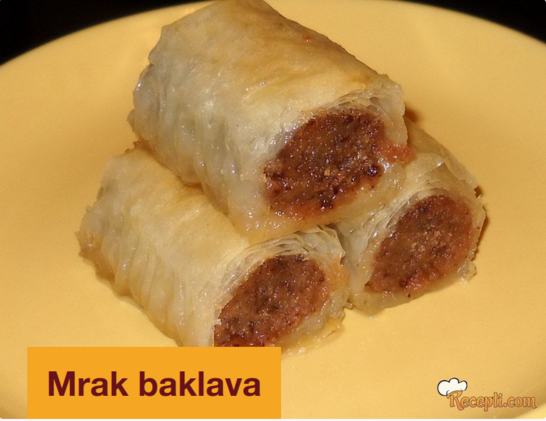
Audio Etymologies of the Day
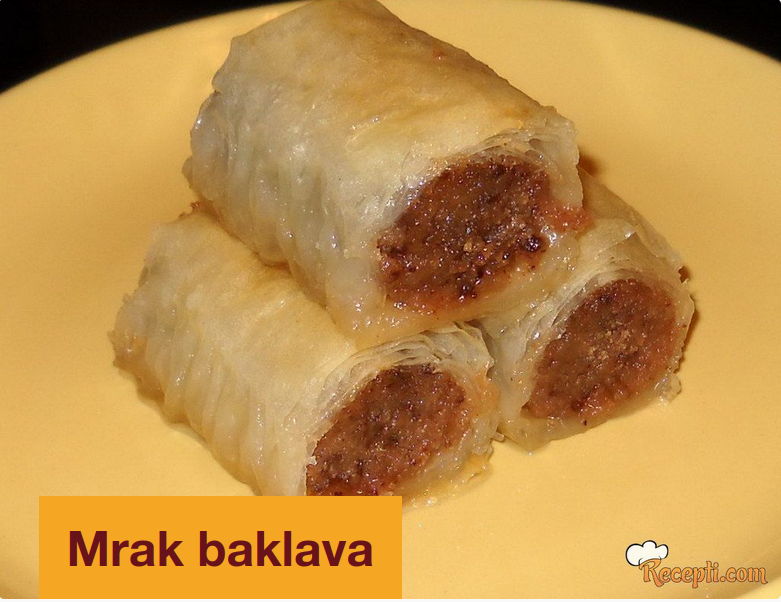
"Morn(ing)" descends from Proto-Indo-European *mrk-on [mr̩:k], something like this (ignoring the suffix -on):
🔈http://www.ancientsounds.net/eastern-origins/morn-from-PIE-mrHk.wav
"(To)morrow" is from the same root:
🔈http://www.ancientsounds.net/eastern-origins/tomorrow-from-PIE-mrHk.wav
The same root also descended into Bosnian, Croatian, and Serbian mrak “dark, dusk”:
🔈http://www.ancientsounds.net/eastern-origins/PIE-mrHk-to-Bosnian-mrak.wav
@linguistics #audio #etymology #phonetics #EnglishLanguage #ProtoIndoEuropean #Bosnian #Croatian #Serbian
#audio #etymology #phonetics #englishlanguage #ProtoIndoEuropean #bosnian #croatian #serbian
Ancient Sounds · @ancientsounds
373 followers · 1336 posts · Server mastodonapp.uk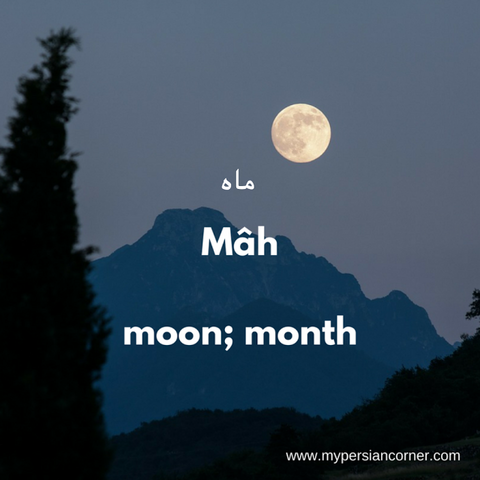
Audio Etymologies of the Day
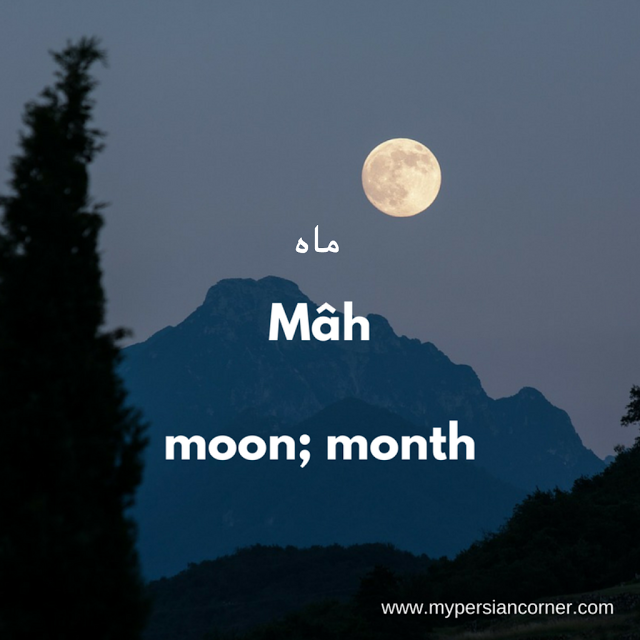
"Moon" descends from Proto-Indo-European *méh₁nos [me:nos], something like this (listen):
🔈http://www.ancientsounds.net/eastern-origins/moon-from-PIE-meh1nos.wav
The same root also descended into Persian ماه mah:
🔈http://www.ancientsounds.net/eastern-origins/PIE-meh1nos-to-Persian-mah.wav
The final [h] is most likely descended from the Proto-Indo-European word-final *s, not the medial *h₁.
@linguistics #audio #etymology #phonetics #EnglishLanguage #ProtoIndoEuropean #Persian
#audio #etymology #phonetics #englishlanguage #ProtoIndoEuropean #Persian
Ancient Sounds · @ancientsounds
372 followers · 1326 posts · Server mastodonapp.uk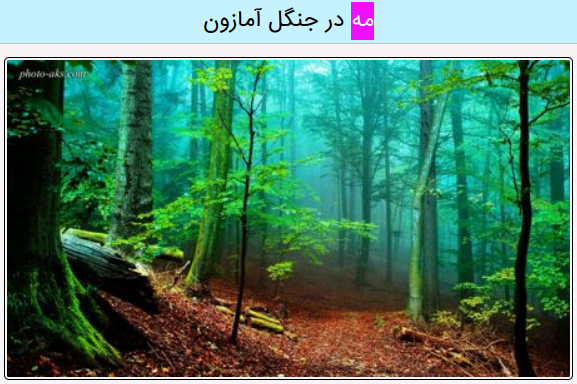
Audio Etymologies of the Day
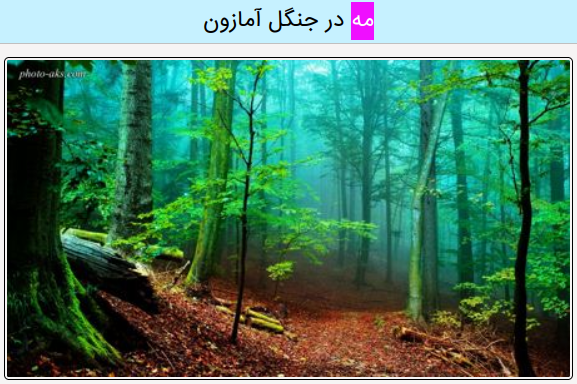
"Mist" descends from Proto-Indo-European *h₃migʰ- [ŏmigʱ], something like this (listen):
🔈http://www.ancientsounds.net/eastern-origins/mist-from-PIE-h3migh.wav
The same root also descended into Persian مه meh:
🔈http://www.ancientsounds.net/eastern-origins/PIE-h3migh-to-Persian-meh.wav
The suffixed form *h₃migʰ-leh₂ [ŏmigʱlɐ:] developed into Modern Greek ομίχλη omikhli:
🔈http://www.ancientsounds.net/eastern-origins/PIE-h3migh-to-ModernGreek-omixli.wav
@linguistics #audio #etymology #phonetics #EnglishLanguage #ProtoIndoEuropean #Persian #Greek
#audio #etymology #phonetics #englishlanguage #ProtoIndoEuropean #Persian #greek
Ancient Sounds · @ancientsounds
365 followers · 1301 posts · Server mastodonapp.ukAudio Etymologies of the Day
"Mirth" descends via Anglo-Saxon merġþ ("merry+th") from Proto-Indo-European *mrǵʰ-u-, meaning “short”, something like this (listen):
🔈http://www.ancientsounds.net/eastern-origins/mirth-from-PIE-mrghu.wav
The same root also descended into Sanskrit मुहु muhu “short”:
🔈http://www.ancientsounds.net/eastern-origins/PIE-mrghu-to-Sanskrit-muhu.wav
(These simulations sound a bit more "synthetic" than I would have liked, so I hope to re-do and improve them in the future.)
@linguistics #audio #etymology #phonetics #EnglishLanguage #ProtoIndoEuropean #Sanskrit
#audio #etymology #phonetics #englishlanguage #ProtoIndoEuropean #Sanskrit
Ancient Sounds · @ancientsounds
366 followers · 1291 posts · Server mastodonapp.uk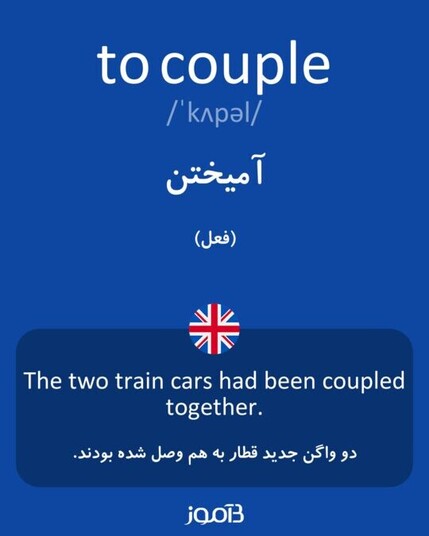
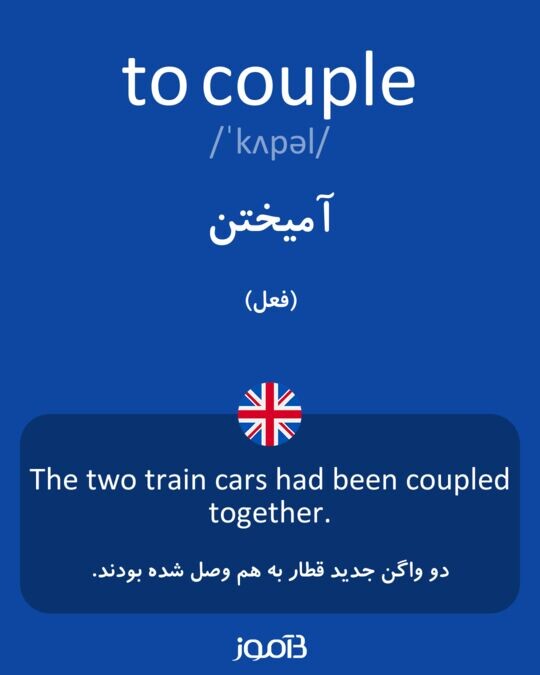
Audio Etymologies of the Day
"Mingle" descends from Proto-Indo-European *monk-, a derived form of *menk-, something like this (listen):
🔈http://www.ancientsounds.net/eastern-origins/mingle-from-PIE-menk.wav
*menk- also descended into Persian آمیختن amekhtan “mix, mingle, blend, couple”:
🔈http://www.ancientsounds.net/eastern-origins/PIE-menk-to-Persian-amekhtan.wav
to Sanskrit मचते machate “to be arrogant”:
🔈http://www.ancientsounds.net/eastern-origins/PIE-menk-to-Sanskrit-macate.wav
and to Bosnian mek “soft”:
🔈http://www.ancientsounds.net/eastern-origins/PIE-menk-to-Bosnian-mek.wav
@linguistics #audio #etymology #phonetics #EnglishLanguage #ProtoIndoEuropean #Persian #Sanskrit #Bosnian
#audio #etymology #phonetics #englishlanguage #ProtoIndoEuropean #Persian #Sanskrit #bosnian
Ancient Sounds · @ancientsounds
366 followers · 1291 posts · Server mastodonapp.ukAudio Etymologies of the Day
"Mingle" descends from Proto-Indo-European *monk-, a derived form of *menk-, something like this (listen):
🔈http://www.ancientsounds.net/eastern-origins/mingle-from-PIE-menk.wav
*menk- also descended into Persian آمیختن amekhtan “mix, mingle, blend, couple”:
🔈http://www.ancientsounds.net/eastern-origins/PIE-menk-to-Persian-amekhtan.wav
to Sanskrit मचते machate “to be arrogant”:
🔈http://www.ancientsounds.net/eastern-origins/PIE-menk-to-Sanskrit-macate.wav
and to Bosnian “soft”:
🔈http://www.ancientsounds.net/eastern-origins/PIE-menk-to-Bosnian-mek.wav
@linguistics #audio #etymology #phonetics #EnglishLanguage #ProtoIndoEuropean #Persian #Sanskrit #Bosnian
#audio #etymology #phonetics #englishlanguage #ProtoIndoEuropean #Persian #Sanskrit #bosnian
Ancient Sounds · @ancientsounds
366 followers · 1289 posts · Server mastodonapp.ukAudio Etymologies of the Day
"Mingle" descends from Proto-Indo-European *monk-, a derived form of *menk-, something like this (listen):
🔈http://www.ancientsounds.net/eastern-origins/mingle-from-PIE-menk.wav
*menk- also descended into Persian آمیختن amekhtan “mix, mingle, blend, couple”:
🔈http://www.ancientsounds.net/eastern-origins/PIE-menk-to-Persian-amekhtan.wav
to Sanskrit मचते machate “to be arrogant”:
🔈http://www.ancientsounds.net/eastern-origins/PIE-menk-to-Sanskrit-macate.wav
and to Bosnian “soft”:
🔈http://www.ancientsounds.net/eastern-origins/PIE-menk-to-Bosnian-mek.wav
@linguistics #audio #etymology #phonetics #EnglishLanguage #ProtoIndoEuropean #Persian #Sanskrit #Bosnian
#audio #etymology #phonetics #englishlanguage #ProtoIndoEuropean #Persian #Sanskrit #bosnian