
YRabbit · @yrabbit
177 followers · 5207 posts · Server mastodon.sdf.orgThe massive Himbaechel-gowin backbone is already in decent condition and works on boards from #tangnano GW1N-1 already out of stock to the last one I have #tangprimer20k😉
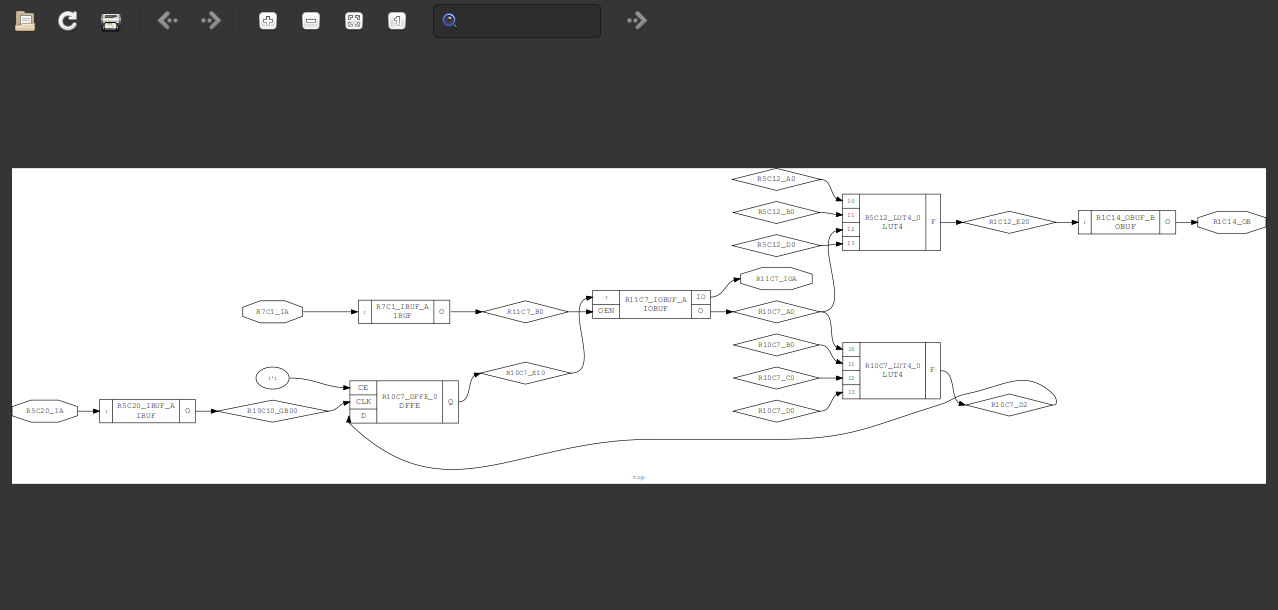
It remains for me to implement a large piece of IO / IOLOGIC. Unfortunately it won't be photogenic - sort of like this TBUF check on the GW1NZ-1 Himbaechel-gowin. So I won't bother with the same blinking LEDs, but know that work is in full swing🙂
#fpga #apicula #sipeed #gowin
#TangNano #tangprimer20k #fpga #apicula #sipeed #GoWin
YRabbit · @yrabbit
171 followers · 4907 posts · Server mastodon.sdf.orgIt's raining. The minimum task for today: to make a working IBUF on #tangnano1k, to do this I have to re-learn the programming of I/O banks and the fuses of the buffer itself.
#tangnano1k is faster to flash than plain #tangnano, so the turnover rate is higher 😉
#fpga #sipeed #apicula #gowin
#tangnano1k #TangNano #fpga #sipeed #apicula #GoWin
YRabbit · @yrabbit
165 followers · 4853 posts · Server mastodon.sdf.org
YRabbit · @yrabbit
164 followers · 4839 posts · Server mastodon.sdf.org
YRabbit · @yrabbit
163 followers · 4800 posts · Server mastodon.sdf.orgThe most important thing here is not unpacking the primitive itself, but the correct decoding of the wires leading to its FCLK port: the thing is that these are implicit wires, they are switched in a different place than where the IOs are and the choice of which wire the IO is connected to is not made by routing bits. mmm.. maybe that's a bit too much. Anyway, it's a pain in the ass and I'm glad I could decipher the images for the whole #tangnano family and GW1N-9
#fpga #apicula #gowin #sipeed
#TangNano #fpga #apicula #GoWin #sipeed
YRabbit · @yrabbit
161 followers · 4777 posts · Server mastodon.sdf.org
YRabbit · @yrabbit
156 followers · 4682 posts · Server mastodon.sdf.orgI swear this is the last video.
I added another primitive to #apicula, OVIDEO, which outputs consecutively 7 bits from parallel data. Of course, you can't get a nice blink here because of the odd number of bits and the wild division of frequency by 3.5
#apicula #TangNano #fpga #GoWin
YRabbit · @yrabbit
156 followers · 4680 posts · Server mastodon.sdf.org
YRabbit · @yrabbit
144 followers · 4482 posts · Server mastodon.sdf.org
Gee!
#yosys -> #nextpnr ->#gowin-pack successfully build and code a PLL primitive for #gowin #tangnano.
The on-board quartz is 24MHz, the PLL generates ~72MHz
The bright segment is the LOCK signal, indicating that the PLL phases are synchronized.
This is a prototype, there are draconian restrictions on the range of parameters, a couple of supports and three or four questionable fuses. And there's still a lot of work to be done🙂
But this is truly a glorious day.🍾
#yosys #nextpnr #GoWin #TangNano #apicula #fpga
YRabbit · @yrabbit
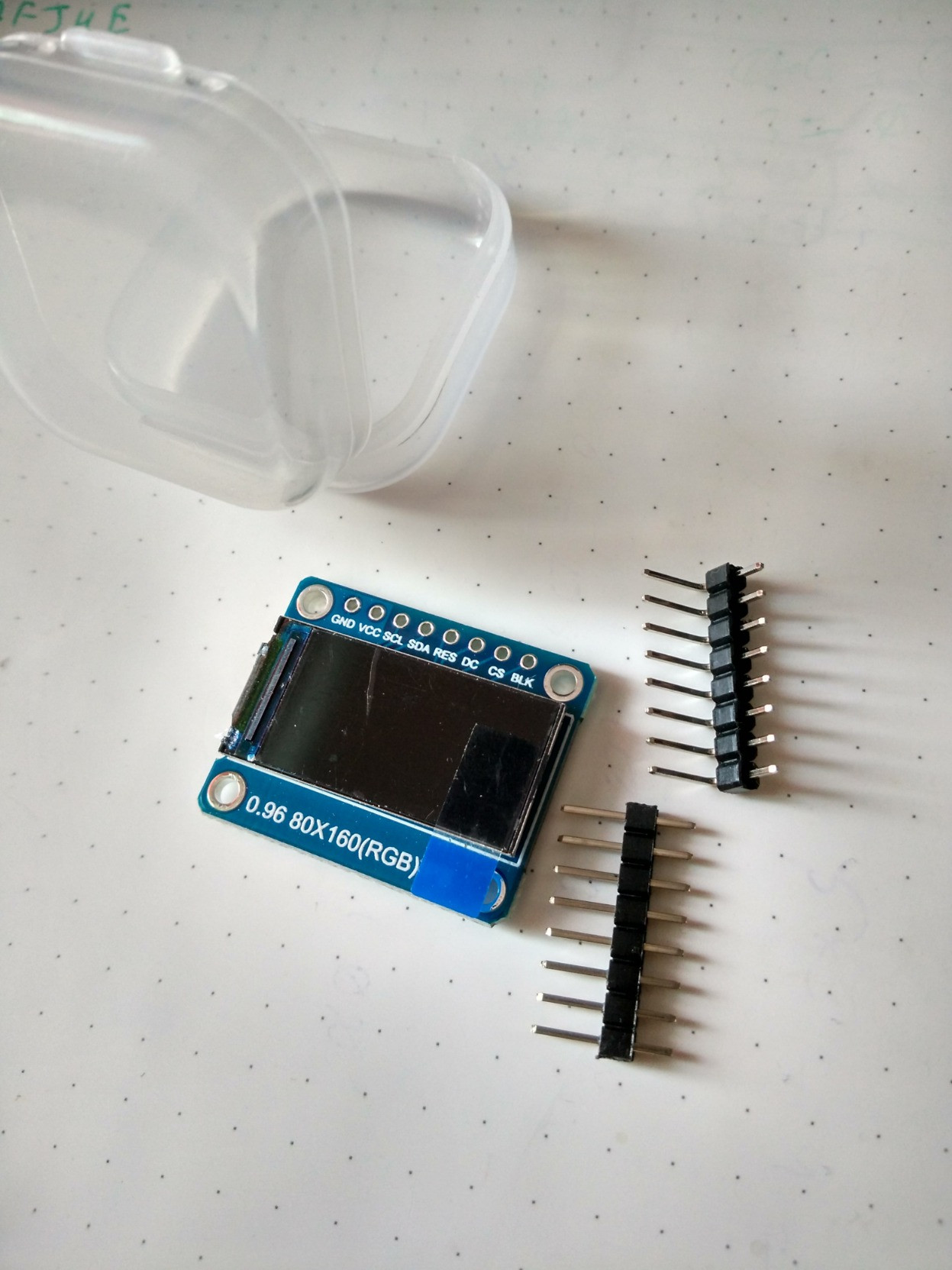
144 followers · 4482 posts · Server mastodon.sdf.orgI2C display test. Yosys + nextpnr + gowin_pack.
It was actually a hard test of all the work in IOB area: switch to 3.3V from default 1.8V, program tri-state inout, switch to open-drain. 🎉😉
YRabbit · @yrabbit
144 followers · 4482 posts · Server mastodon.sdf.org
YRabbit · @yrabbit
144 followers · 4482 posts · Server mastodon.sdf.org
Gee, the new version of FPGA cell bit representation correctly recognized almost all kinds of I/O primitives (except TBUF)!
The old version also did this, but it was immediately wrong when I/O mode was changed to something other than the default and could not be cured.
I hope the new one will be more flexible.
#fpga #apycula #gowin #sipeed #tangnano
#fpga #apycula #GoWin #sipeed #TangNano
YRabbit · @yrabbit
144 followers · 4482 posts · Server mastodon.sdf.org
YRabbit · @yrabbit
143 followers · 4482 posts · Server mastodon.sdf.org




#fpga #TangNano
What is important here is not the incomplete adder itself, but how to assemble a circuit from several modules scattered across different files. I got it now😉
https://peertube.social/videos/watch/d3835c40-1c85-4495-8d02-834c3a7b62e6
YRabbit · @yrabbit
143 followers · 4482 posts · Server mastodon.sdf.orgFirst clock and 27bit counter! Do not pay attention to the glow of the segments except for the point --- a current of pull-up resistors flows through them, I was too lazy to turn them off🤣
https://peertube.social/videos/watch/5cce7758-7dcc-44a8-903b-a721a1bf5336