
Albert Cardona · @albertcardona
1811 followers · 2785 posts · Server mathstodon.xyzNew group leader at #TheCrick, Michael Winding, is hiring a staff scientist:
"Interested in a research career, but don't want to worry about funding or job stability? We are hiring a staff scientist! Help us uncover how social behaviours work and how social isolation disrupts brain wiring and function. Apply by 30 June."
"Salary for this Role: LRS, from £31,675 to £35,900. SLRS, from £39,950 to £45,275 with benefits, subject to skills and experience, and opportunities for advancement."
#drosophila #academia #jobs #neuroscience #TheCrick

Albert Cardona · @albertcardona
728 followers · 626 posts · Server qoto.org
For all electron microscopists out there:
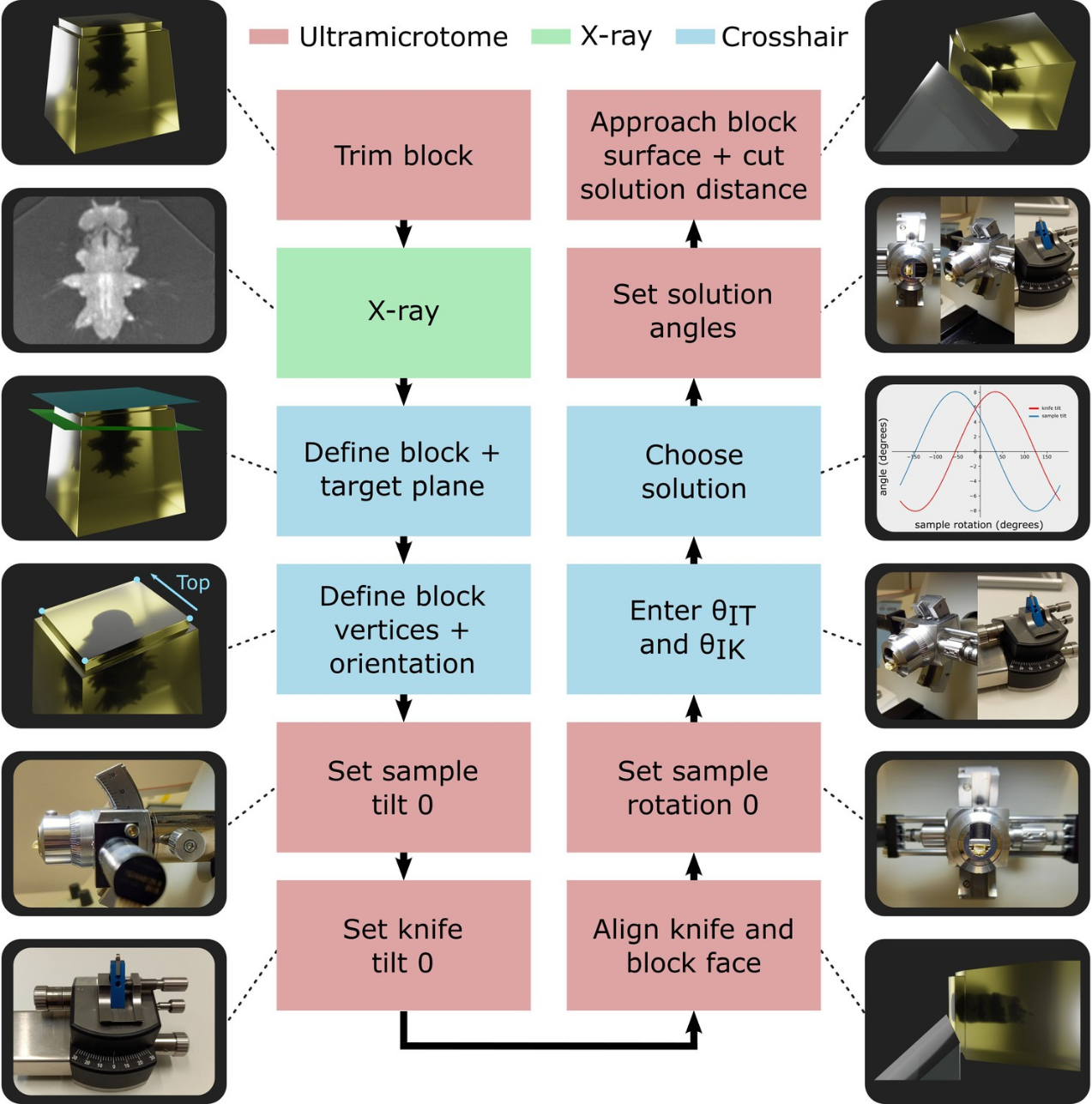
"Crosshair, semi-automated targeting for electron microscopy with a motorised ultramicrotome"
Kimberly Meechan et al. 2022 @eLife from Yannick Schwab's lab at EMBL in collaboration with The Crick institute. https://elifesciences.org/articles/80899
Presents a new method for reliably and "selectively targeting small regions of interest in a resin block by trimming with an ultramicrotome", powered by "user-friendly software to convert X-ray images of resin-embedded samples into angles and cutting depths for the ultramicrotome."
Reviewed by three outstanding electron microscopists: Christel Genaud, Song Pang, and Michaela Wilsch-Bräuninger.
#electronmicroscopy #microCT #Platynereis #science #methods #EMBL #TheCrick
#electronmicroscopy #microct #Platynereis #methods #embl #TheCrick #science

Theo Sanderson · @theosanderson
603 followers · 66 posts · Server mstdn.science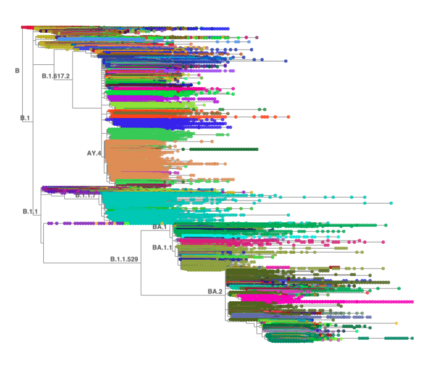
#Introduction
I have a longstanding interest in identifying which genes the #malaria parasite needs to survive, and why. During my PhD I was involved in early genome-scale screens in #Plasmodium. Now, I'm delving into more detail on gene function at scale by building approaches for automated culture at #TheCrick.
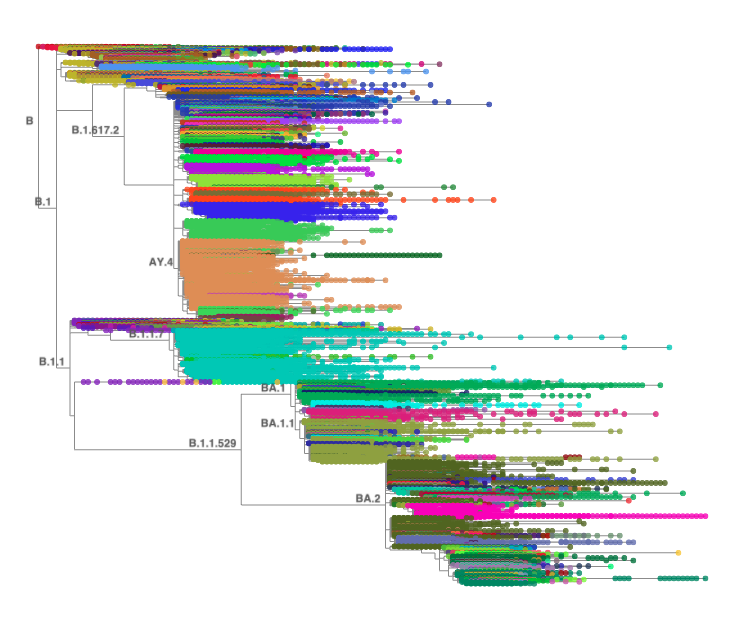
Since the pandemic I have also got into #GenomicEpidemiology in a big way. I created https://taxonium.org, a tool for exploring million-sequence trees, amongst other things.
#introduction #malaria #Plasmodium #TheCrick #genomicEpidemiology