
MJ Lee · @soccermoviemom
17 followers · 440 posts · Server sfba.social
Christine Sinclair’s “Playing the Long Game” was great. Lots of insight on why John Herdman is such a good coach.
Also, I never before heard the phrase “you win gold medals, you lose silver, and you win bronze”. Explains why the silver medalists are crying on the Olympic podium but the gold & bronze medalists are happy.
Anyhow, read these other books this summer and play hard! #soccer #womenssoccer #canada #wnt
I put Sinclair’s book next to Abby’s even tho they aren’t friendly
#soccer #womenssoccer #canada #Wnt
Development · @Dev_journal
661 followers · 124 posts · Server mstdn.science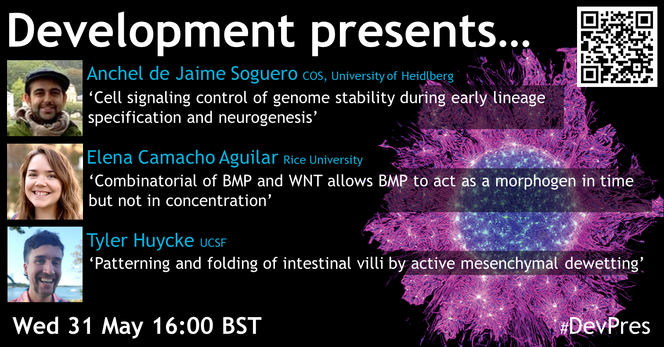
Our May Development presents... webinar will feature talks from
Anchel de Jaime Soguero, Elena Camacho Aguilar and Tyler Huycke
📅Wed 31 May 16:00BST (UTC +1)
Register to attend: https://us02web.zoom.us/webinar/register/9716740379156/WN_kp6mBFFVTES0AsoaG7ci1A
#DevPres #devbio #neurogenesis #BMP #WNT #patterning
Why not also register to attend our June webinar?
📅21 June 2023 – 16:00 BST. Chaired by James Briscoe
On the topic of growth and morphogenesis with Patricio Pérez-Henríquez, Stefania Tavano and Stefan Harmansa
https://us02web.zoom.us/webinar/register/9716740379156/WN_WP8-zPIaTbKeaXa0KmqjFQ
#DevPres #DevBio #neurogenesis #BMP #Wnt #patterning

EMBO Mol. Medicine · @EmboMolMed
127 followers · 44 posts · Server sciencemastodon.com
New study reveals excessive neuronal Wnt-glycolysis signaling as an important underlying mechanism for #AutismSpectrumDisorder (ASD) synaptic deficiency. #Axin2, an inhibitory molecule of #Wnt signaling, is a potential therapeutic target for social dysfunction.
By Y. Wang, S. Wu & colleagues at Xi’an, China
#autismspectrumdisorder #axin2 #Wnt

Steven Van Belleghem · @SVB
176 followers · 91 posts · Server ecoevo.socialRT @AnyiMazo
Check out our last work-related to my favorite system #butterflies and #Wnt signaling. "Where there's a WNT there's a way". A continuación encontrarás el 🧵español:
https://www.biorxiv.org/content/10.1101/2023.04.11.536469v1 1/ https://twitter.com/Hanliconius/status/1646477081662857216
Ellen Timmer · @ellent
347 followers · 2077 posts · Server mastodon.nlDe #WNT geldt al heel lang niet voor @DNB_NL #hetslechtevoorbeeld
https://ellentimmer.com/2022/02/02/wnt-30/
n.a.v.:
https://twitter.com/frans_nijhof/status/1629014618889768960?s=12&t=kKW9tARaqY_ZT2XIilOaEA
Ellen Timmer · @ellent
347 followers · 2077 posts · Server mastodon.nl

repostsfrombryan · @sportsreposts
1 followers · 264 posts · Server mastodon.world@RaeComm sent the tweet - Germany #WNT captain Alexandra Popp on FIFA having “Visit Saudi” as the main sponsor of the Women’s World Cup.
“We have a negative view of the whole thing. It is not an ideal sponsor for a Women’s World Cup & for the things we stand for as women.” http://nitter.garudalinux.org/RaeComm/status/1625860315601862656#m
Ellen Timmer · @ellent
278 followers · 1092 posts · Server mastodon.nl
"The average total pay package for a vice-chancellor in the elite Russell Group of 24 universities increased by 6 per cent to £413,000 in 2021-22. The packages include payments for grace-and-favour housing, pensions and other benefits on top of a basic salary" | The Sunday Times
Geen #WNT in de UK...

Thiago Carvalho · @cyrilpedia
1101 followers · 2294 posts · Server qoto.org'Here, we performed uniform gain-of-function screens of all 44 human FOX transcription factors to identify and classify new regulators of the Wnt/β-catenin pathway. By combining β-catenin reporter assays with Wnt pathway-focused qPCR arrays and proximity proteomics of selected FOX family members, we determine that most FOX proteins are involved in the regulation of Wnt pathway activity and the expression of Wnt ligands and target genes.'
#Preprint #Wnt #TranscriptionFactor #MolecularBiology
https://www.biorxiv.org/content/10.1101/2022.12.13.520306v1?med=mas
#preprint #Wnt #transcriptionfactor #molecularbiology

Joseph P. · @tonic
132 followers · 277 posts · Server qoto.orgSkeletal #muscle is a type of tissue that makes up a large part of the human body. It is made up of many different cells that are able to contract and move. Skeletal muscle has the ability to #repair itself when it is damaged due to #aging, exercise, or diseases like #MuscularDystrophy. A small group of cells called #SatelliteCell s help with the repair process. Scientists have been trying to create models to study how #Skeletalmuscle develops and regenerates. Recently, they have been using human pluripotent #StemCell to create 3D models of skeletal muscle tissue. However, these models have not been able to recreate the full process of muscle regeneration. In this research paper, the authors introduce a new method of using human pluripotent stem cells to create 3D models of skeletal muscle tissue that can retain the ability to repair itself.
Over the past decades, scientists have used #animalmodel to study #muscleregeneration, which is regulated by #stemcell s. These animal models have been very helpful in understanding the mechanisms of muscle #regeneration, but they don't always accurately reflect the same range of diseases that humans experience. Therefore, researchers have suggested creating reliable in vitro models using human muscle cells. ( #hPSC s) could be used to create 3D human skeletal muscle #organoid s ( #hSkMO s) that contain sustainable #stemcell and distinct myofibers with the same proteins and structure as adult muscles. Previous approaches to skeletal muscle differentiation have been developed using 2D #culture systems, but these lack the natural environment and #StemCell niche that are necessary to model adult #myogenesis and muscle #regeneration.
#Stemcell s ( #SC s) can be used to repair damaged muscle tissue. They explain that SCs can be activated in response to muscle injuries and that other #cell types can contribute to the process of #myogenesis. The author then goes on to explain that #cytokine s, such as IL-4, can influence the #InflammatorySystem and promote SCs differentiation, which helps with muscle regeneration. While #organoid s generated from #hPSC s have potential, they do not fully replicate the in vivo native microenvironment. To address this, treat the #hSkMO s with extrinsic #cytokine s to promote #muscle #regeneration . #hSkMO s might then be used to study aspects of human muscle #biology and to identify novel #therapeutic candidates for muscle-wasting disorders.
To create a 3D structure of muscle tissue. They used #WNT activator and #BMP inhibitors at the beginning of the differentiation process to induce paraxial #mesodermal #cell s. They then added #FGF2 to the Matrigel to promote the 3D structure. #HGF and IGF1 were added later to accelerate the #myogenic specification and further #myofiber differentiation. They optimized the timing of the Matrigel embedding to day seven. After this, they observed #neuralcell s and withdrew FGF2 to focus on muscle tissue development. They then prolonged the HGF and IGF1 treatment to propagate #myogenic #progenitor s. They found that 62% of the #tissue was #skeletalmuscle tissue and that it contained PAX7+ #myogenic #stem / #progenitor cells, MYOD+ activated/committed #myoblast s, and MYOG+ #myocyte s. They also found that 31% of PAX7+/Ki67− and 29% of MYOD−/PAX7+ non-dividing quiescent SCs were present in the mature #hSkMO s. This indicates that the #hSkMO s were able to effectively recreate #embryo nic #myogenesis and have regenerative potential. Future studies using #singlecell #RNA sequencing may be necessary to further characterize the different types of cells in #hSkMO s.
The stepwise process to generate human skeletal muscle organoid s (hSkMOs) from human pluripotent stem cells (hPSCs)
The process begins with dissociating #hPSC s into #singlecell s and allowing them to form #embryoid bodies ( #EB s) in low-attachment V-shaped 96-well plates. Then, paraxial #mesodermal differentiation is promoted with #WNT activation, BMP inhibition, and FGF2 signaling. The expression of pluripotency markers OCT4 and NANOG decreases, and the expression of #mesoderm markers Brachyury, T-Box transcription factor 6 (TBX6), and mesogenin 1 (MSGN1) increases. To further characterize paraxial #mesoderm al differentiation, TBX6 is #immunostain ed. After paraxial #mesodermal induction, the #organoid s are embedded with growth factor-reduced Matrigel and transferred to a six-well plate on an orbital shaker. Growth factors are then added to the #myogenic specification media, and #hSkMO s are cultured until the day of analysis. The orbital shaker improves the viability, survival, and differentiation of hSkMOs by increasing the penetration rate of oxygen and nutrients into the core area of hSkMOs. The #hSkMOs gradually grow to more than 1.5 mm in diameter by day 60, appearing round-shaped, uniformly sized, and having relatively homogenous morphology. PAX3 and PAX7 are #myogenic progenitor markers, and their expression is verified by qRT-PCR and #cryo sections. The #myogenic cells appear as clusters, and approximately 9% of PAX7+ cells are double-positive for Ki67 at day 30, demonstrating that proliferating cells are #myogenic #progenitor s in hSkMOs. This indicates that the in vitro #hSkMO #culturesystem is able to recapitulate the features of embryonic skeletal #muscle development.
The different types of #SkeletalMuscle stem/progenitor cells that are involved in myogenesis, the process of muscle formation.
The researchers used qRT-PCR analysis and #immunohistochemistry to identify and characterize the different types of cells. They found that PAX3 and PAX7 (SC markers) were the major population during the early stage of #myogenesis, and that MYOD (proliferating and activated SC marker) and MYOG (differentiated myocyte marker) increased over time. They also observed that MYOD−/PAX7+, MYOD+/PAX7+, and MYOD+/Ki67+ cells accounted for 29%, 6%, and 8% of the putative quiescent, activated, and proliferating #SC s, respectively. MYOD+/PAX7− cells constituted 39% of differentiating myoblasts, and MYOG−/PAX7+ cells constituted 23% of putative quiescent SCs. MYOG+/PAX7− cells accounted for 30% of differentiated #myocyte s, and 8% and 6% of the MYOG+ cells in #hSkMO s co-expressed PAX7 and Ki67, respectively. This data shows that the researchers were able to identify and characterize different types of skeletal muscle stem/progenitor cells during #myogenesis.
The text is discussing the results of a research study that used hSkMOs (human skeletal muscle #organoid s) to study the development of skeletal muscle #tissue. The study found that the #hSkMO s grew exponentially in size within two months, and the growth rate then steadily decreased. The researchers then used scanning electron microscopy (SEM) imaging and confocal microscopy to examine the cytoarchitecture of the hSkMOs. They found that the hSkMOs contained a large population of terminally differentiated #myogenic cells and a small population of preserved myogenic stem/progenitor cells. They also found that the hSkMOs contained a substantial proportion of TITIN+ muscle cells and MAP2-positive #neuron s. To further characterize the presence of sustainable stem cells within the mature hSkMOs, they quantified the amount of dormant stem cells by #confocal #microscopy imaging. The results showed that approximately 56%, 31%, and 5% of PAX7+/Ki67- putative dormant stem cells existed throughout the differentiation of hSkMOs at days 30, 70, and 130, respectively. This indicates that the hSkMOs contained mature skeletal muscle properties and had the potential for #regeneration .
The researchers wanted to see if the #hSkMO s (human #skeletal muscle #organoid s) had the ability to regenerate #muscle #tissue after damage. To test this, they treated the hSkMOs with a cardiotoxin (CTX) which is known to induce muscle inflammation and damage. They then observed a decrease in PAX7+ and MYOD+ cells in the hSkMOs. To further test the #regenerative potential of the #hSkMO s, they added interleukin-4 (IL-4) to the medium to promote #muscleregeneration. After 14 days, they observed a significant increase in MYOG+ myocytes in the CTX-injured hSkMOs with the treatment of IL-4 compared to the CTX-injured hSkMOs without the treatment. This suggests that the hSkMOs have the potential to regenerate muscle tissue after damage.
Generation of Skeletal Muscle Organoids from Human Pluripotent Stem Cells to Model Myogenesis and Muscle Regeneration
Authors :
Min-Kyoung Shin , Jin Seok Bang , Jeoung Eun Lee , Hoang-Dai Tran , Genehong Park , Dong Ryul Lee and Junghyun Jo
#muscle #repair #aging #musculardystrophy #SatelliteCell #Skeletalmuscle #stemcell #AnimalModel #muscleregeneration #regeneration #hPSC #Organoid #hSkMO #culture #myogenesis #sc #InflammatorySystem #biology #therapeutic #Wnt #BMP #mesodermal #FGF2 #HGF #myogenic #myofiber #neuralcell #progenitor #tissue #stem #myoblast #Myocyte #embryo #singlecell #rna #embryoid #culturesystem #immunohistochemistry #neuron #confocal #microscopy #skeletal #regenerative #explainpaper #cell #cytokine #eb #mesoderm #immunostain #hSkMOs #cryo

Hao Yin · @HaoYin
160 followers · 103 posts · Server qoto.org
A potential FGF9-TCF7L2 (#Wnt)-HAS2/#HyaluronicAcid cascade in #Palatogenesis #CleftPalate
GeneMANIA, a useful resource to explore gene relationships
http://www.genemania.org
Dr. Zhenqi Chen lab @Biomol_MDPI 2022
https://www.mdpi.com/2218-273X/12/11/1639/htm
#Palatogenesis #CleftPalate #Wnt

Julien Delpierre · @JulienDelpierre
180 followers · 214 posts · Server qoto.org

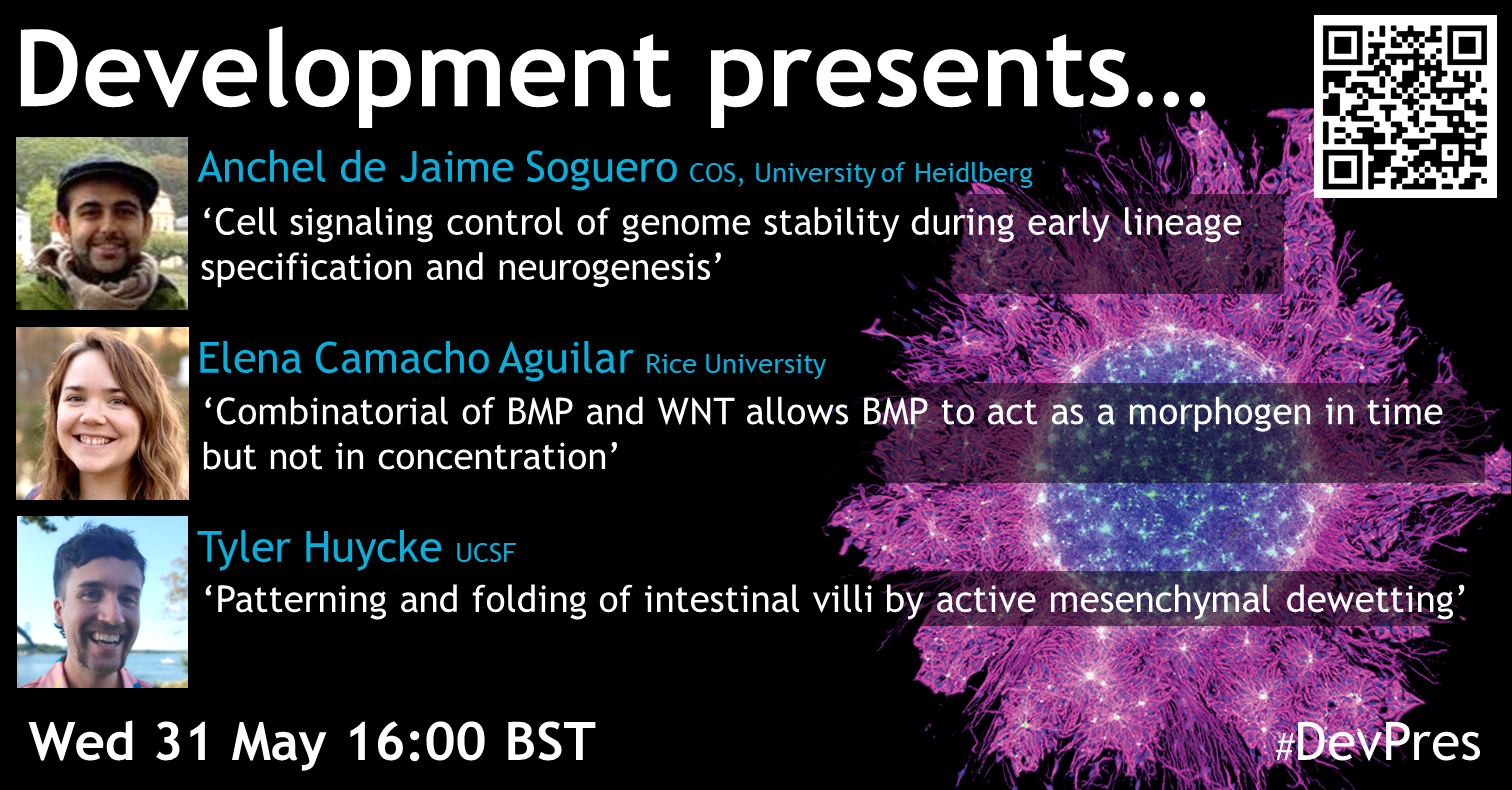


"[...] varying the duration of #BMP #signaling leads to either pluripotent, mesodermal, and extraembryonic states, while varying the concentration does not cause efficient mesodermal differentiation at any dose [...] appropriately timed pulse of BMP induces #hPSCs to a mesodermal fate more efficiently that sustained signaling at any concentration. [...] this effect is due to a combinatorial interpretation of the applied BMP signal and induced endogenous #Wnt signaling."
https://www.biorxiv.org/content/10.1101/2022.11.11.516212v1?rss=1
#DevBio #CellFate #GermLayers #morphogens #Differentiation
#differentiation #hPSCs #BMP #signaling #Wnt #DevBio #cellfate #GermLayers #morphogens
Anyi Mazo-Vargas · @anyimv
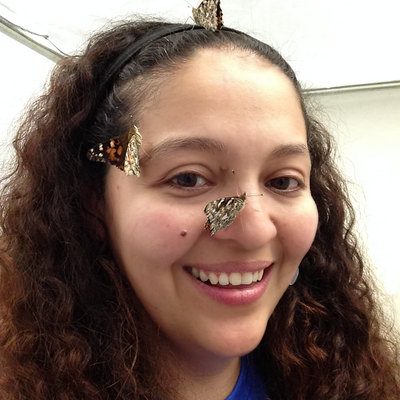
339 followers · 74 posts · Server genomic.socialHere comes the #Introduction. I am a postdoc original from #Colombia interested in #insects, #evodevo #genetics 🧬 and #patterning.
I work with butterfly 🦋 color patterns as a model to study #wnt #signaling, #generegulation, and #morphological evolution. Connecting the #genotype to the #phenotype is the goal!!!
I am a #Latina, working at GWU, in DC. #FirstGen
Done tons of #CRISPR experiments in different species of #Lepidoptera
#lepidoptera #crispr #FirstGen #latina #phenotype #genotype #morphological #generegulation #signaling #Wnt #patterning #genetics #evodevo #insects #colombia #introduction

Phys.org · @physorg_bot
153 followers · 7638 posts · Server social.platypush.techReferenced link: https://phys.org/news/2022-08-cryo-em-images-wnt.html
Discuss on https://discu.eu/q/https://phys.org/news/2022-08-cryo-em-images-wnt.html
Originally posted by Phys.org / @physorg_com@twitter.com: https://twitter.com/physorg_com/status/1559547040891379716#m
New #cryo-EM images shed light on #Wnt signaling @nature https://www.nature.com/articles/s41586-022-04952-2 https://phys.org/news/2022-08-cryo-em-images-wnt.html