Tolulope Onabolu · @tolulope
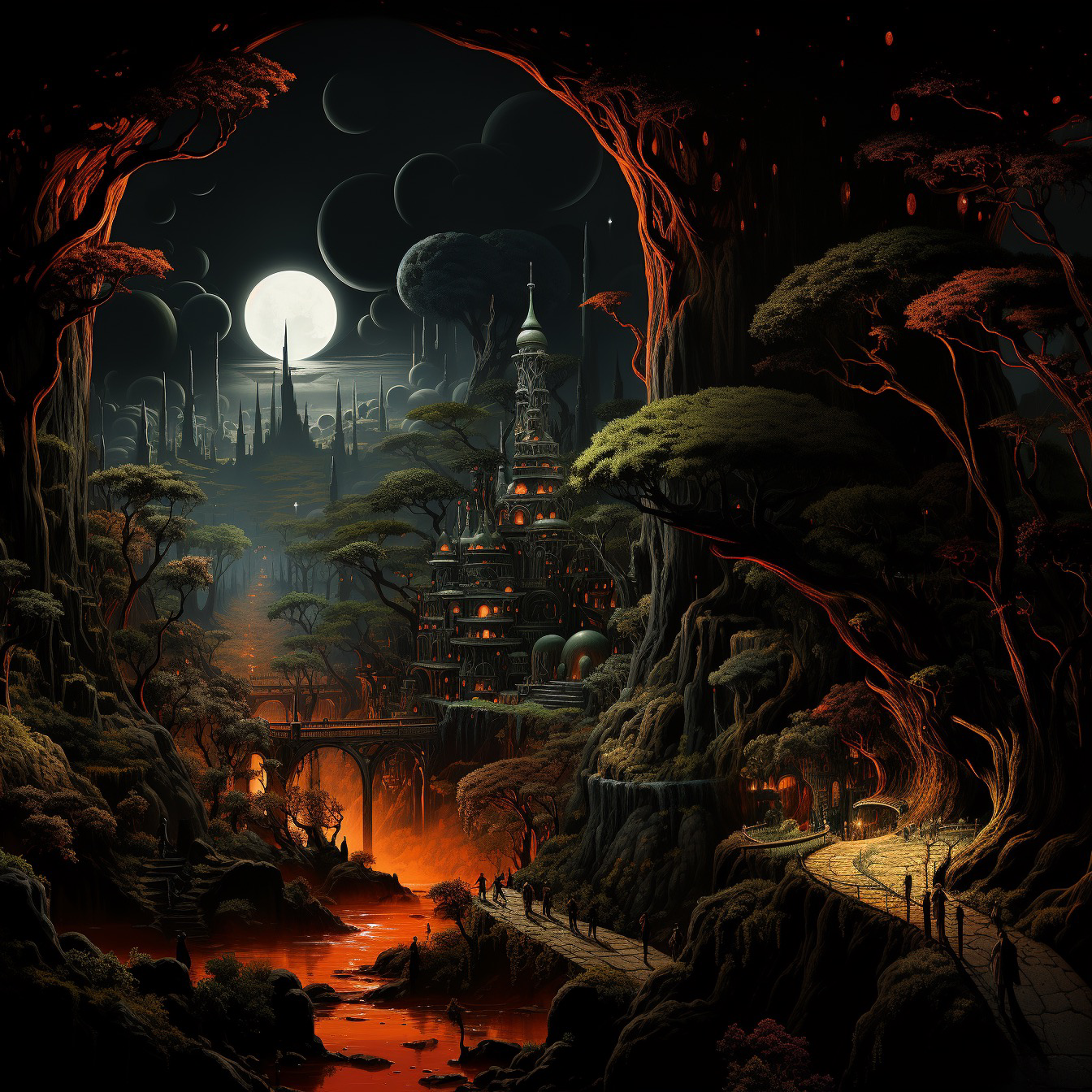
21 followers · 47 posts · Server mas.toReturning to some earlier work 🌹🌹🌹
#africanliterature #literature #folklore #fiction #fantasy #surrealart #art #romanticism #midjourneyart #darkart #africanart #afrofuturism #landscape #landscapepainting #midjourney #fantasyart #illustration #digitalart #architecturaltheory #scenography #architecture #architecture #runwayapp #runwayml #creativeai #ai
#ai #creativeai #runwayml #runwayapp #architecture #scenography #architecturaltheory #digitalart #illustration #fantasyart #midjourney #landscapepainting #landscape #afrofuturism #africanart #darkart #MidJourneyArt #romanticism #art #surrealart #fantasy #fiction #folklore #literature #africanliterature
Tolulope Onabolu · @tolulope
21 followers · 46 posts · Server mas.toReturning to some earlier work 🌹🌹🌹
#africanliterature #literature #folklore #fiction #fantasy #surrealart #art #romanticism #midjourneyart #darkart #africanart #afrofuturism #landscape #landscapepainting #midjourney #fantasyart #illustration #digitalart #architecturaltheory #scenography #architecture #architecture #runwayapp #runwayml #creativeai #ai
#ai #creativeai #runwayml #runwayapp #architecture #scenography #architecturaltheory #digitalart #illustration #fantasyart #midjourney #landscapepainting #landscape #afrofuturism #africanart #darkart #MidJourneyArt #romanticism #art #surrealart #fantasy #fiction #folklore #literature #africanliterature

haq · @haq
141 followers · 2314 posts · Server kolektiva.socialI just read The First Wife, A Tale of Polygamy, by Paulina Chiziane and it occurred to me that I have in my head a short list of feminist literature about polygamy, from decolonial and postcolonial perspectives, available in English, that might be useful to someone (if only mentioning that this body of literature exists). I'm not talking about the earliest African feminist novels on polygamy themes that were published by European presses and often reflected colonial (and Christian) perspectives, I'm not talking about Islamic feminism in North Africa, I'm talking about recent more complex explorations with grounding in various traditional African cultures but informed by contemporary women's perspectives.
1. The historically important one: Changes, A Love Story, by Ama Ata Aidoo, 1991 (Ghana, local pan-Africanism, written in English). The protagonist of this novel is a middle class, working mother with a Christian style marriage (monogamy for the woman and other women for the man) who is feeling unsatisfied with her situation as she approaches middle age. Her first marriage ends and she eventually finds a more comfortable relationship as second wife of a Muslim man. Aidoo is deservedly influential and this novel was an important re-evaluation of polygamy in feminist literature. Also a good realist novel written in spare prose.
2. The literary one: The First Wife, A Tale of Polygamy, by Paulina Chiziane, 2002 (Mozambique, includes different cultures within the current state, written in Portuguese). In the style of Portuguese literary novels with extensive internal examination of the thoughts and feelings of the protagonist. The protagonist is a middle-aged stay-at-home mother in a Christian style marriage to a senior policeman who has four more mothers of his children. Our heroine decides traditional polygamy is the best solution so the women can unionise together and insist on their collective and individual rights. This tale weaves subtly between heavy melodrama, heartfelt polemic, and intentional satire (the denouement of the polyandry anecdote made me laugh-aloud, as did a hilarious comedy scene set at a funeral). Warning for 500 pages of relationship jealousy, including domestic abuse, amongst other difficult issues.
3. The one about the relatives: Co-wives, Co-widows, by Adrienne Yabouza, 2015 (Central African Republic, centred in urban Bangui, written in French). A short and surprisingly upbeat novel about two widows with in-law problems for whom polygamous sisterhood proves their most supportive relationship. Includes some telling details of life in the big city. This novel might be read as another perspective on the subject tackled in classic Senegalese novel So Long A Letter so it's important to know that Yabouza credits Mariama Bâ as a strong positive influence on her writing.
4. The polygamy-is-normative one: Ancestor Stones, by Aminatta Forna, 2006 (Sierra Leone/UK, centres recent West African history, written in English). Instead of foregrounding polygamy this novel backgrounds it as completely normal family life. The protagonists are all women, mostly half-sisters born within a traditional polygamous marriage. The novel tells the women's individual stories grounded in that culture and history. I note the author was born and mostly raised in the UK, and she identifies as both Scottish and Sierra Leonian.
5. The token male author: My Father's Wives, by José Eduardo Agualusa, 2007 (Angola/ Portugal/ Mozambique, travel through Southern Africa, written in Portuguese). Another thoughtful novel in Portuguese literary style. Set in Angola, Namibia, South Africa, and Mozambique. About a woman traveller tracing her dead father's relationships with seven "wives". I don't think the author wholly manages to present women's perspectives in this book, and all the female characters prove elusive to some degree, but the various feminist attitudes are intentional.
#AfricanLiterature #FeministLiterature #feminism #polygamy #bookstodon
#africanliterature #feministliterature #feminism #polygamy #bookstodon
Tolulope Onabolu · @tolulope
13 followers · 13 posts · Server mas.to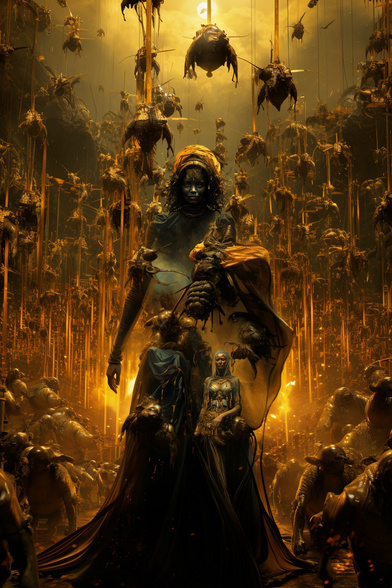
Metamorphosis, Head Daemon or Death? Channelling Soyinka
#africanliterature #folklore #grimoire #surrealism #art #midjourneyart #darkart #africanart #afrofuturism #landscape #landscapepainting #midjourney #fantasyart #illustration #digitalart #architecturaltheory #scenography #architecture #architexture
#architexture #architecture #scenography #architecturaltheory #digitalart #illustration #fantasyart #midjourney #landscapepainting #landscape #afrofuturism #africanart #darkart #MidJourneyArt #art #surrealism #grimoire #folklore #africanliterature
Tolulope Onabolu · @tolulope
13 followers · 12 posts · Server mas.to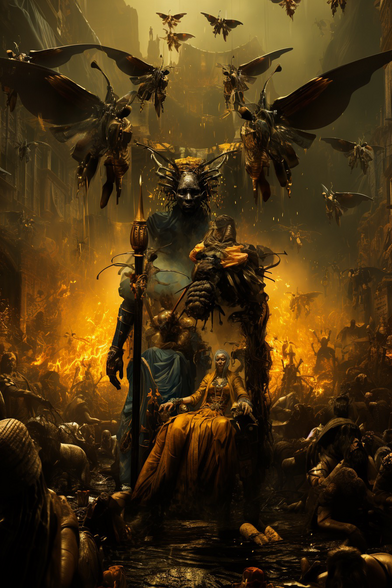
Head Daemon or Death? Channelling Soyinka
#africanliterature #folklore #grimoire #surrealism #art #midjourneyart #darkart #africanart #afrofuturism #landscape #landscapepainting #midjourney #fantasyart #illustration #digitalart #architecturaltheory #scenography #architecture #architexture
#architexture #architecture #scenography #architecturaltheory #digitalart #illustration #fantasyart #midjourney #landscapepainting #landscape #afrofuturism #africanart #darkart #MidJourneyArt #art #surrealism #grimoire #folklore #africanliterature
Tolulope Onabolu · @tolulope
13 followers · 10 posts · Server mas.to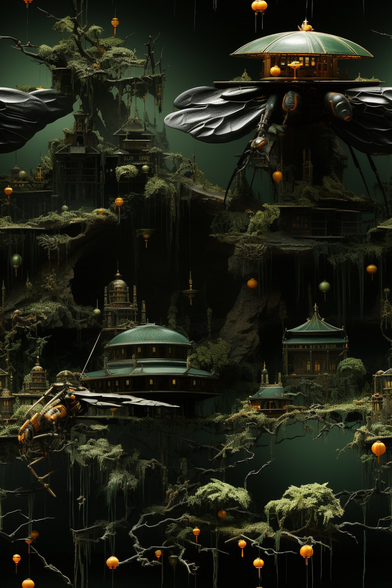
Channeling Wole Soyinka
#africanliterature #literature #folklore #fiction #fantasy #horror #grimoire #surrealism #surrealart #art #midjourneyart #darkart #artoftheday #africanart #afrofuturism #landscape #landscapepainting #midjourney #fantasyart #illustration #digitalart #architecturaltheory #scenography #architecture #architexture #architecturelovers
#architecturelovers #architexture #architecture #scenography #architecturaltheory #digitalart #illustration #fantasyart #midjourney #landscapepainting #landscape #afrofuturism #africanart #artoftheday #darkart #MidJourneyArt #art #surrealart #surrealism #grimoire #horror #fantasy #fiction #folklore #literature #africanliterature
Tolulope Onabolu · @tolulope
13 followers · 9 posts · Server mas.to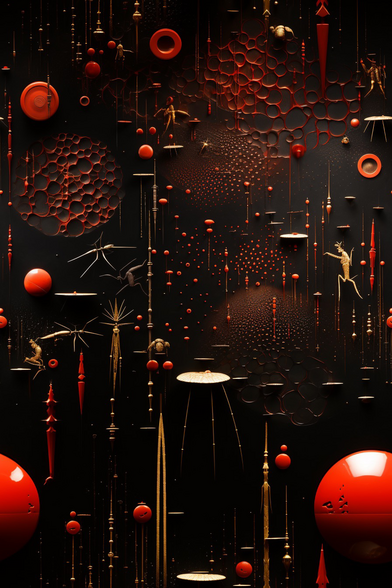
Channeling Wole Soyinka.
#africanliterature #literature #folklore #fiction #fantasy #horror #grimoire #surrealism #surrealart #art #river #midjourneyart #darkart #artoftheday #africanart #afrofuturism #landscape #landscapepainting #midjourney #fantasyart #illustration #digitalart #architecturaltheory #scenography #architecture #architexture #architecturelovers
#architecturelovers #architexture #architecture #scenography #architecturaltheory #digitalart #illustration #fantasyart #midjourney #landscapepainting #landscape #afrofuturism #africanart #artoftheday #darkart #MidJourneyArt #river #art #surrealart #surrealism #grimoire #horror #fantasy #fiction #folklore #literature #africanliterature
Tolulope Onabolu · @tolulope
12 followers · 8 posts · Server mas.to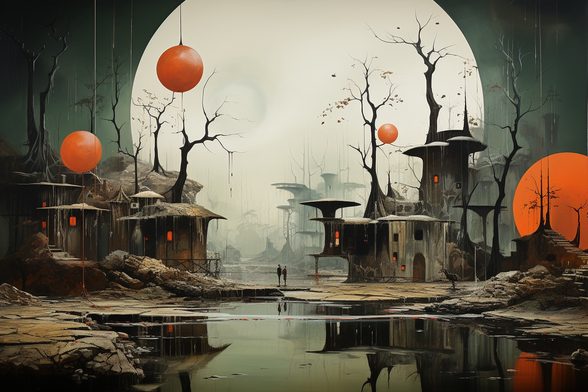
I’m just going to leave these here to close the ‘Forest of a Thousand Daemons’ series.
#africanliterature #literature #folklore #fiction #fantasy #horror #grimoire #surrealism #surrealart #art #river #midjourneyart #darkart #artoftheday #africanart #afrofuturism #landscape #landscapepainting #midjourney #fantasyart #illustration #digitalart #architecturaltheory #scenography #architecture #architexture #architecturelovers
#architecturelovers #architexture #architecture #scenography #architecturaltheory #digitalart #illustration #fantasyart #midjourney #landscapepainting #landscape #afrofuturism #africanart #artoftheday #darkart #MidJourneyArt #river #art #surrealart #surrealism #grimoire #horror #fantasy #fiction #folklore #literature #africanliterature
Tolulope Onabolu · @tolulope
11 followers · 6 posts · Server mas.to
#africanliterature #literature #folklore #fiction #fantasy #horror #grimoire #surrealism #surrealart #art #artistsoninstagram #river #midjourneyart #darkart #artoftheday #africanart #afrofuturism #landscape #landscapepainting #midjourney #fantasyart #illustration #digitalart #architecturaltheory #scenography #architecture #architecture #architecturelovers
#architecturelovers #architecture #scenography #architecturaltheory #digitalart #illustration #fantasyart #midjourney #landscapepainting #landscape #afrofuturism #africanart #artoftheday #darkart #MidJourneyArt #river #artistsoninstagram #art #surrealart #surrealism #grimoire #horror #fantasy #fiction #folklore #literature #africanliterature
Tolulope Onabolu · @tolulope
11 followers · 6 posts · Server mas.to
#africanliterature #literature #folklore #fiction #fantasy #horror #horrorart #grimoire #surrealism #surrealart #art #artwork #river #midjourneyart #canoe #darkart #artoftheday #africanart #afrofuturism #landscape #landscapepainting #midjourney #fantasyart #illustration #digitalart #architecturaltheory
#architecturaltheory #digitalart #illustration #fantasyart #midjourney #landscapepainting #landscape #afrofuturism #africanart #artoftheday #darkart #canoe #MidJourneyArt #river #artwork #art #surrealart #surrealism #grimoire #horrorart #horror #fantasy #fiction #folklore #literature #africanliterature
Tolulope Onabolu · @tolulope
11 followers · 6 posts · Server mas.to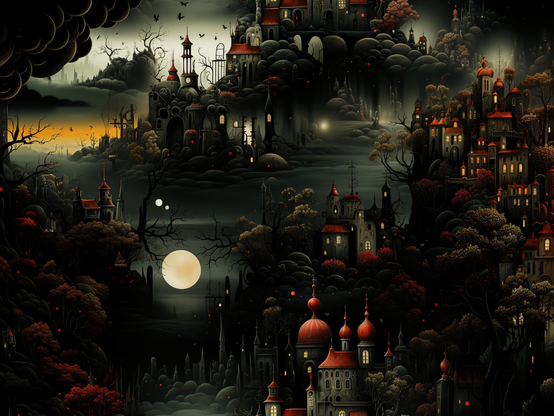
#africanliterature #literature #folklore #fiction #fantasy #horror #horrorart #grimoire #surrealism #surrealart #art #artwork #artistsoninstagram #river #midjourneyart #canoe #darkart #artoftheday #africanart #afrofuturism #midjourneyart #landscape #landscapepainting #midjourney #fantasyart #illustration #digitalart #architecturaltheory
#architecturaltheory #digitalart #illustration #fantasyart #midjourney #landscapepainting #landscape #afrofuturism #africanart #artoftheday #darkart #canoe #MidJourneyArt #river #artistsoninstagram #artwork #art #surrealart #surrealism #grimoire #horrorart #horror #fantasy #fiction #folklore #literature #africanliterature
Tolulope Onabolu · @tolulope
9 followers · 3 posts · Server mas.to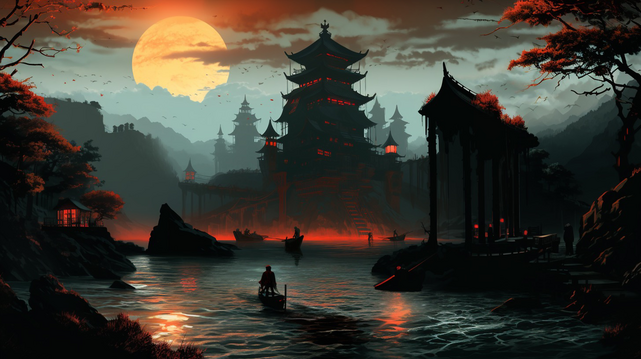
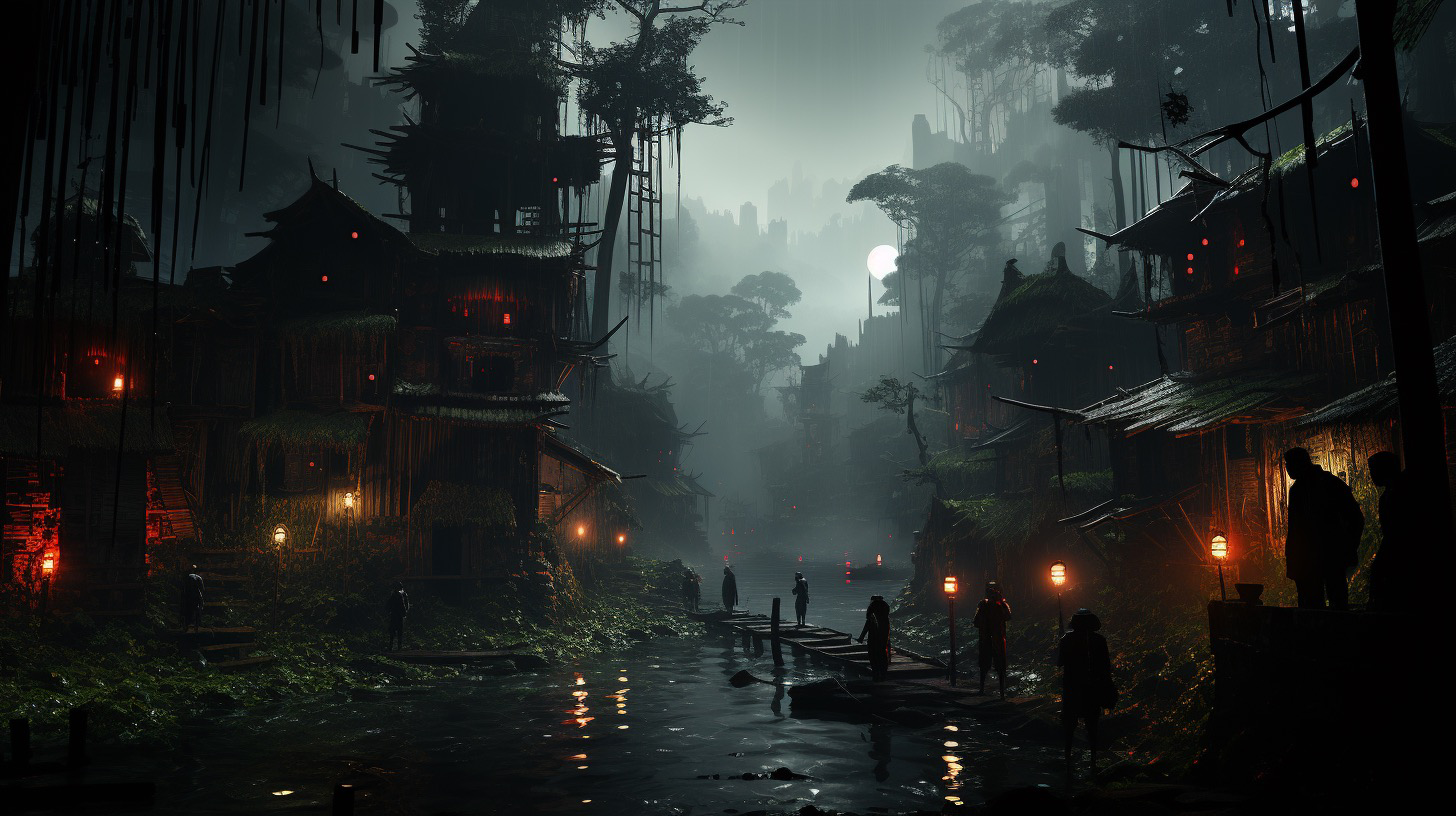
Channelling Wole Soyinka’s ‘Forest of a Thousand Daemons’ and Amos Tutuola’s ‘My Life in the Bush of Ghosts’. #africanliterature #literature #folklore #fiction #fantasy #horror #horrorart #grimoire #surrealism #surrealart #art #artwork #artistsoninstagram #river #midjourneyart #canoe #darkart #artoftheday #africanart #afrofuturism #midjourneyart #landscape #landscapepainting #midjourney #fantasyart #illustration #digitalart #architecturaltheory
#architecturaltheory #digitalart #illustration #fantasyart #midjourney #landscapepainting #landscape #afrofuturism #africanart #artoftheday #darkart #canoe #MidJourneyArt #river #artistsoninstagram #artwork #art #surrealart #surrealism #grimoire #horrorart #horror #fantasy #fiction #folklore #literature #africanliterature
Tolulope Onabolu · @tolulope
8 followers · 2 posts · Server mas.to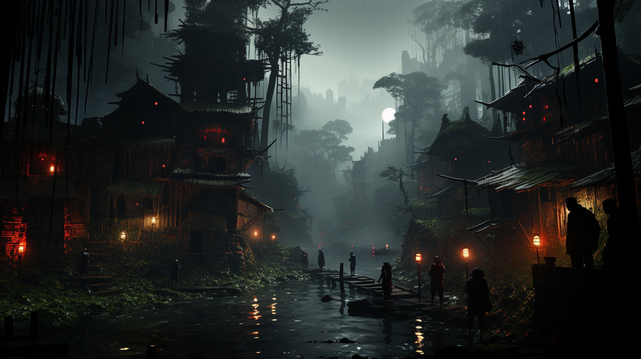
Channelling Wole Soyinka’s ‘Forest of a Thousand Daemons’ and Amos Tutuola’s ‘My Life in the Bush of Ghosts’. #africanliterature #literature #folklore #fiction #fantasy #horror #horrorart #grimoire #surrealism #surrealart #art #artwork #artistsoninstagram #river #midjourneyart #canoe #darkart #artoftheday #africanart #afrofuturism #midjourneyart #landscape #landscapepainting #midjourney #fantasyart #illustration #digitalart #ArchitecturalTheory
#architecturaltheory #digitalart #illustration #fantasyart #midjourney #landscapepainting #landscape #afrofuturism #africanart #artoftheday #darkart #canoe #MidJourneyArt #river #artistsoninstagram #artwork #art #surrealart #surrealism #grimoire #horrorart #horror #fantasy #fiction #folklore #literature #africanliterature

Gary Hall · @garyhall
138 followers · 194 posts · Server hcommons.socialNice surprise to find a lengthy profile of Ngũgĩ wa Thiong’o in today's Guardian:
If you're up for more, as well as the novels and the classic Decolonising the Mind: The Politics of Language in African Literature, his Wrestling with the Devil: A Prison Memoir is well worth a read.
Ngũgĩ was one of the founding members of the Open Humanities Press editorial board. That was way back in 2006/2008, when few people in the humanities were familar with open access, certainly not as it could apply to books as well as journals. (You'd be surprised how many people at the time told us a press for books that were free for readers to read and authors to publish just wasn't going to be possible. Yet here we are almost 20 years later...) So we'll always be grateful to Ngũgĩ for taking a chance on us like that.
#openhumanitiespress #OpenAccess
#guardian
#decolonisation
#novels
#africanliterature
#openhumanitiespress #openaccess #guardian #decolonisation #novels #africanliterature

Syphilia Morgenstierne · @Syphilia
272 followers · 4896 posts · Server todon.euNgũgĩ wa Thiong’o. A true literary giant. It's a scandal he hasn't got the Nobel literature prize yet. The Guardian has a long interview with him now. (I hope it's good, haven't read it yet)
https://www.theguardian.com/books/2023/jun/13/ngugi-wa-thiongo-kenyan-novelist-profile-giant-of-africa-literature
#Thiong'o #Literature #Africa #AfricanLiterature #BlackMastodon #Colonialism
#thiong #Literature #africa #africanliterature #BlackMastodon #colonialism
Eyoki · @wiletha
57 followers · 786 posts · Server mastodonapp.uk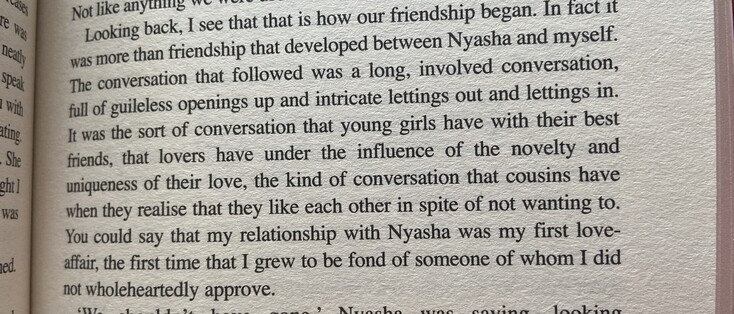
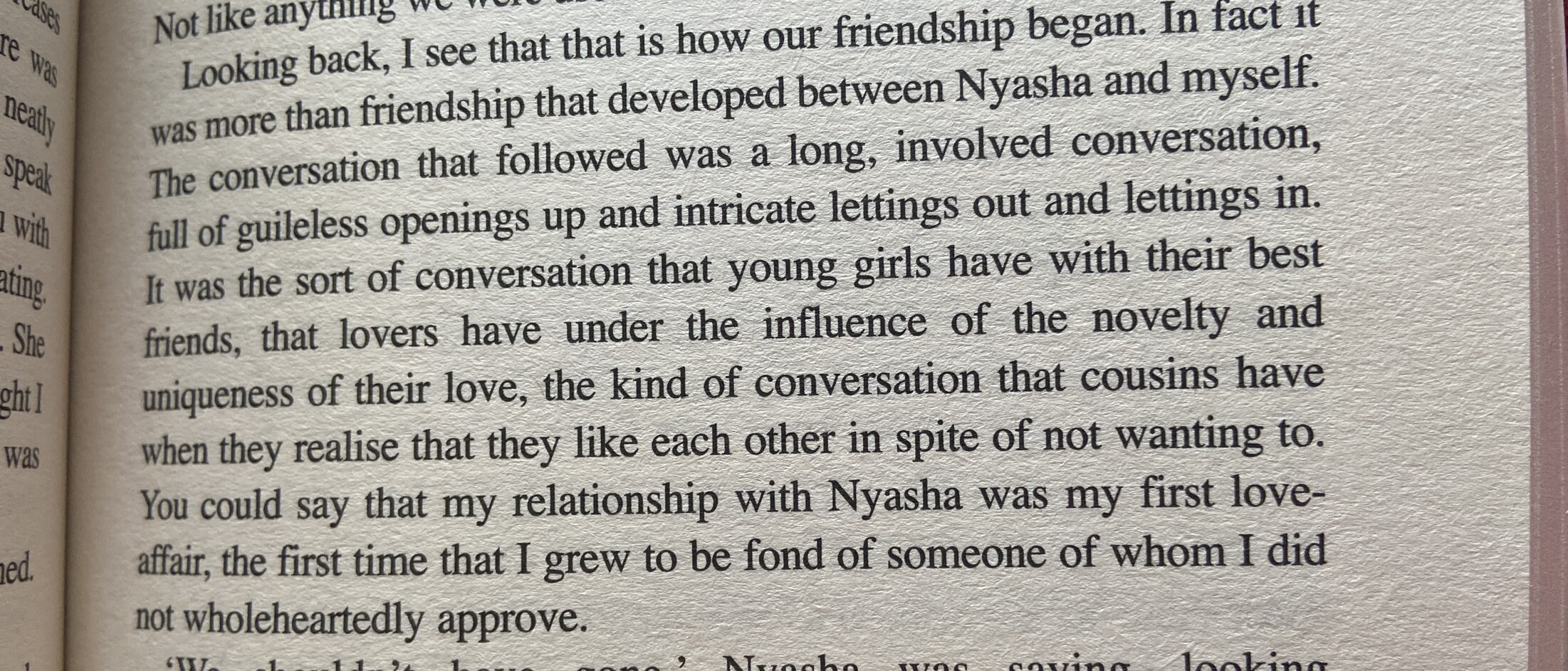
“You could say that my relationship with Nyasha was my first love-affair, the first time I grew to be fond of someone of whom I did not wholeheartedly approve.” (from ‘NERVOUS CONDITIONS’)
An intriguing way to look at it. I love Tsitsi Dangarembga’s writing. This trilogy, which I’ve ended up reading backwards, is amazing.
#TsitsiDangarembga #Zimbabwe #Fiction #trilogy #AfricanLiterature
#tsitsidangarembga #Zimbabwe #fiction #trilogy #africanliterature

Stephen Embleton · @spembleton
1 followers · 4 posts · Server mastodon.social
29 March, we launch Flora Nwapa’s posthumous novel “The Lake Goddess” at the Oxford Literary Festival. As editor of this edition, I’ll be in conversation with Ejine Nzeribe, Nwabueze Nwokolo and Sabine Jell-Bahlsen.
A wonderful opportunity to speak about Flora Nwapa, and having worked with her family to relaunch "The Lake Goddess"
#AfricanLiterature
https://oxfordliteraryfestival.org/literature-events/2023/march-29/voice-of-african-women-the-lake-goddess

Laceys House · @LaceysHouse
4 followers · 115 posts · Server econtwitter.net#literature #Books #Reading #Africa #African #AfricanLiterature #readingmatters #Education #educationmatters #Learn #readingcomprehension
#literature #books #reading #Africa #African #africanliterature #readingmatters #Education #educationmatters #learn #readingcomprehension

Mihailik 🌼🌼🌼🏃🏿♀️🌼🌼🌼 · @486timetable
41 followers · 512 posts · Server mstdn.social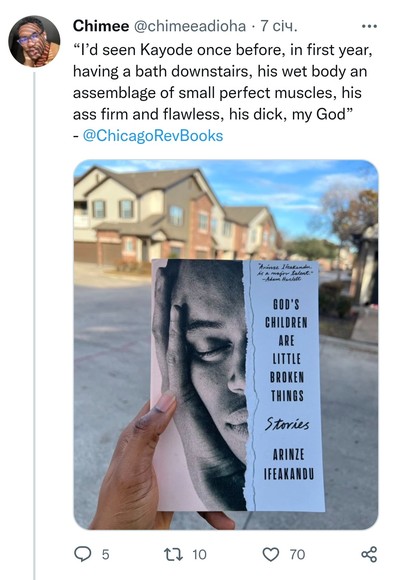





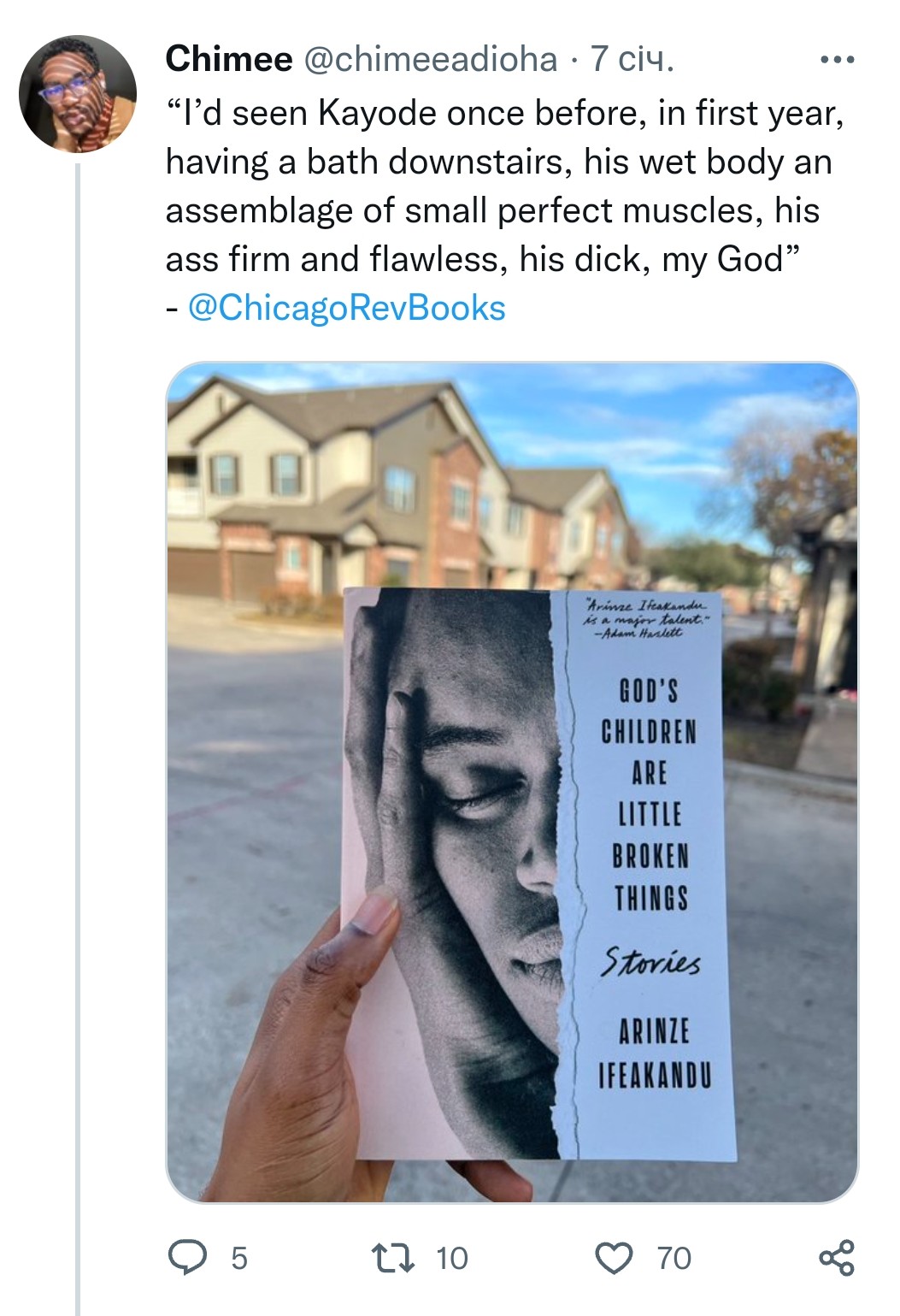
Didn't I tell you about #ArinzeIfeakandu’s God’s Children Area Little Broken Things?
https://twitter.com/chimeeadioha/status/1611591019304456192
Seriously, this is a must read.
#gay #LGBT #nigeria #africanliterature #arinzeifeakandu
Mihailik 🌼🌼🌼🏃🏿♀️🌼🌼🌼 · @486timetable
41 followers · 512 posts · Server mstdn.socialI’m also interested in how writing spiritfirst in an industry that doesn’t really reckon with spirit places my work, but I know eye will always place it where it belongs, centered in spirit. My job is to hold that center, and as Morrison said, wait for the world to move over.
#ogbanje #igbo #africanliterature #Blackliterature #AkwaekeEmezi