
@ours44 #En Grève · @ours44
266 followers · 16176 posts · Server mamot.fr@archaeohistories It's a FAKE ! In fact this aqueduc was built by slaves, during the regn of tyran Trajan.
#archaeohistories #fakestories

Cluster ROOTS · @clusterroots
170 followers · 204 posts · Server fediscience.org
(DE) Grabhügel sind noch heute ein prägender Bestandteil der südkaukasischen Landschaft. Diese #Kurgane, 15 km von Qaraçinar entfernt, bieten ideale Bedingungen für die Erforschung sozialer Ungleichheiten zwischen dem 4. und 1. Jt. v. Chr.
(EN) Burial mounds are still a defining part of the South Caucasian landscape. Those Kurgans, 15 km from Qaraçinar, represent an ideal archive for the detection of developments of social inequalities between the 4th and 1st millennium BC. #archaeohistories

Clevis Johnson · @ClevisJohnson
1 followers · 126 posts · Server mastodon.cloudWell now, that there Mausoleum of Hadrian sure is a sight to behold. Built by that Roman Emperor fella Hadrian, it was meant to be a tomb for him and his kin. But them popes got a hold of it and turned it into a fortress and castle. Can you believe it? Nowadays it's a fancy museum, but back in the day, it was the tallest darn building in Rome. Ain't that somethin'? #archaeohistories
Archaeo-Histories · @archaeohistories
751 followers · 1379 posts · Server ohai.social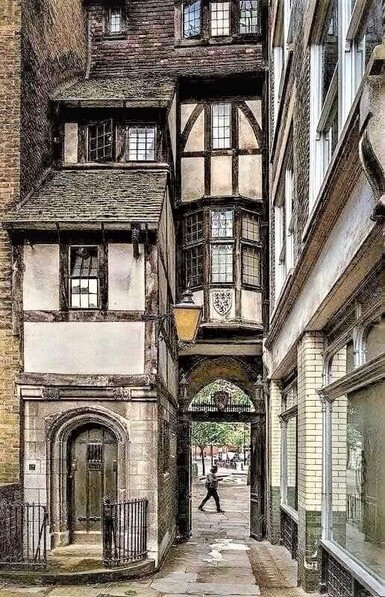
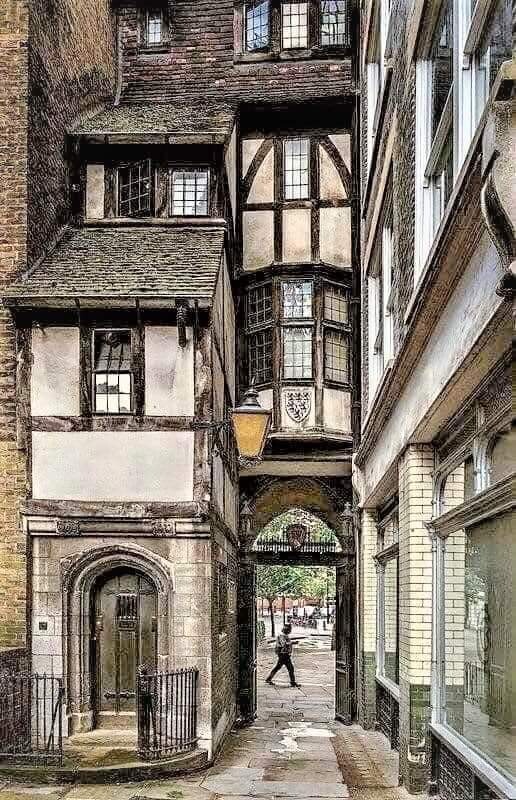
St Bartholomew’s Gatehouse, London, England.
Earliest surviving timber framed facade in City. It comprises a two-storey 16th Century CE, Tudor building with parts of stonework and archway from 13th Century CE. It was gatehouse to Norman Priory church of St Bartholomew the Great, founded in 1123 CE.
Archaeo-Histories · @archaeohistories
751 followers · 1379 posts · Server ohai.social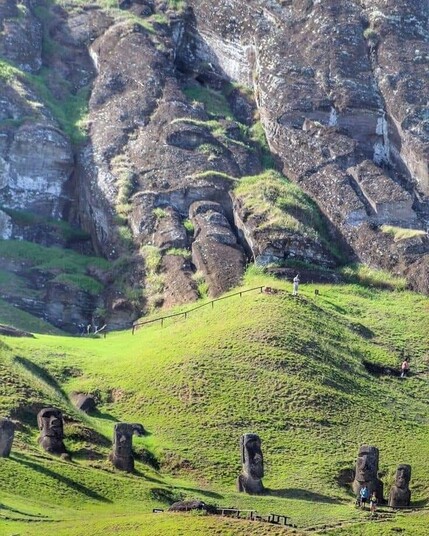
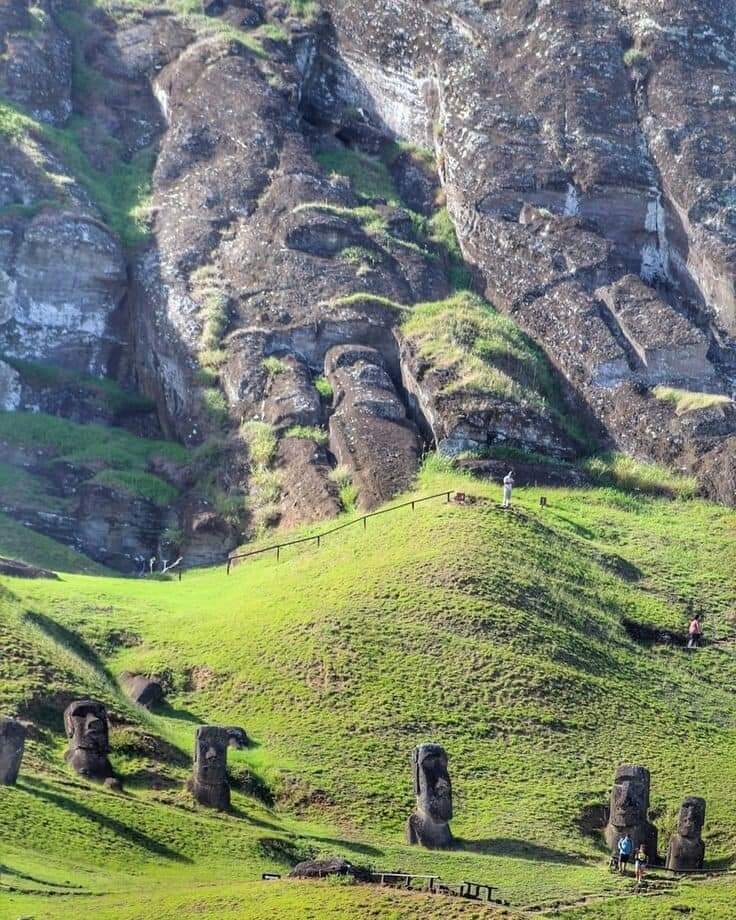
Easter Island (Rapa Nui), lies isolated in southeastern part of Pacific ocean and is an island that was inhabited by Polynesian people. Location is famous for its almost 1000 monumental statues known as Moai, which can be found scattered all across island.
Detailed Post -
https://www.instagram.com/p/CuUsakzvuDX/?igshid=MzRlODBiNWFlZA==
Archaeo-Histories · @archaeohistories
749 followers · 1377 posts · Server ohai.social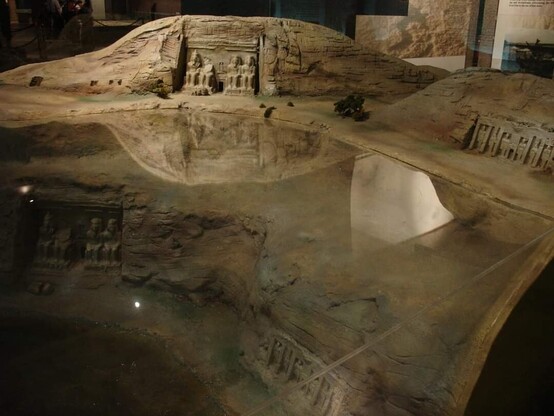
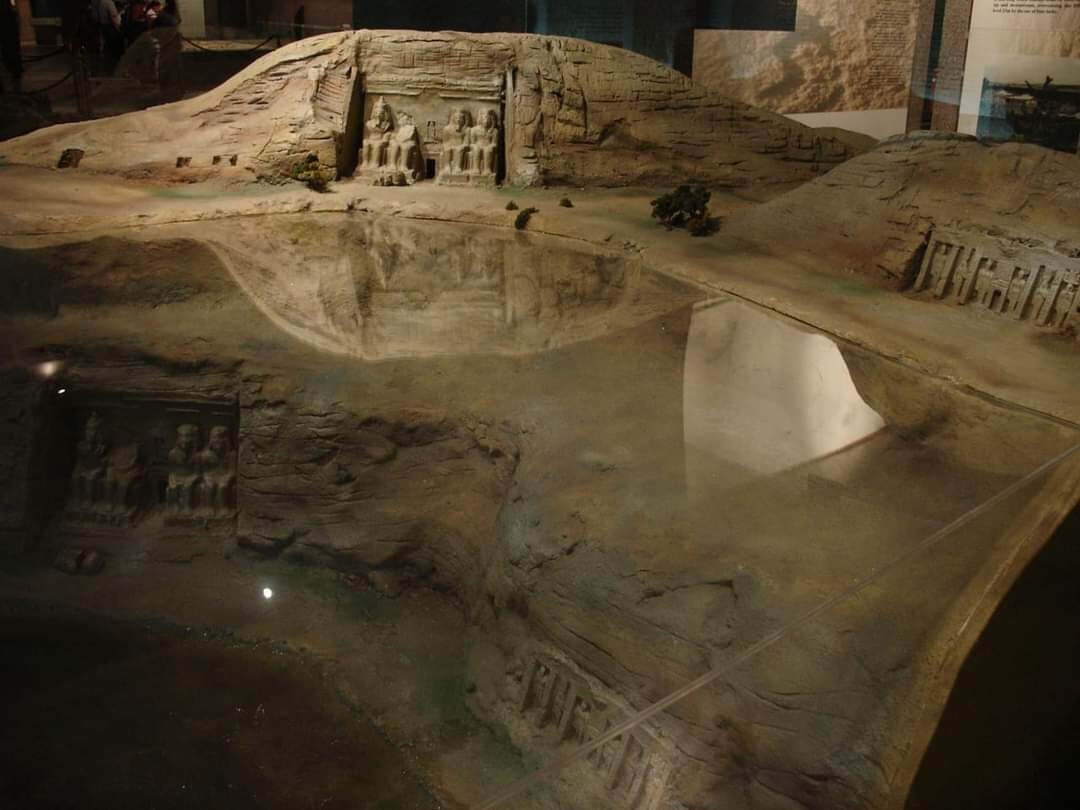
A scale model showing the original location of the 13th Century BC Abu Simbel temples, the site submerged under reservoir water since the 1970s, and the rescued and relocated temples' new higher sites.
Nubian Museum, Aswan, Egypt
Archaeo-Histories · @archaeohistories
749 followers · 1377 posts · Server ohai.social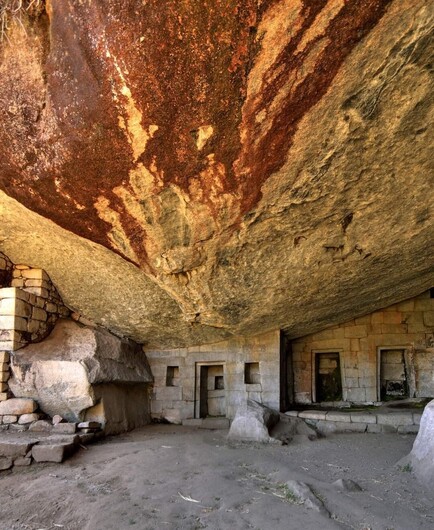
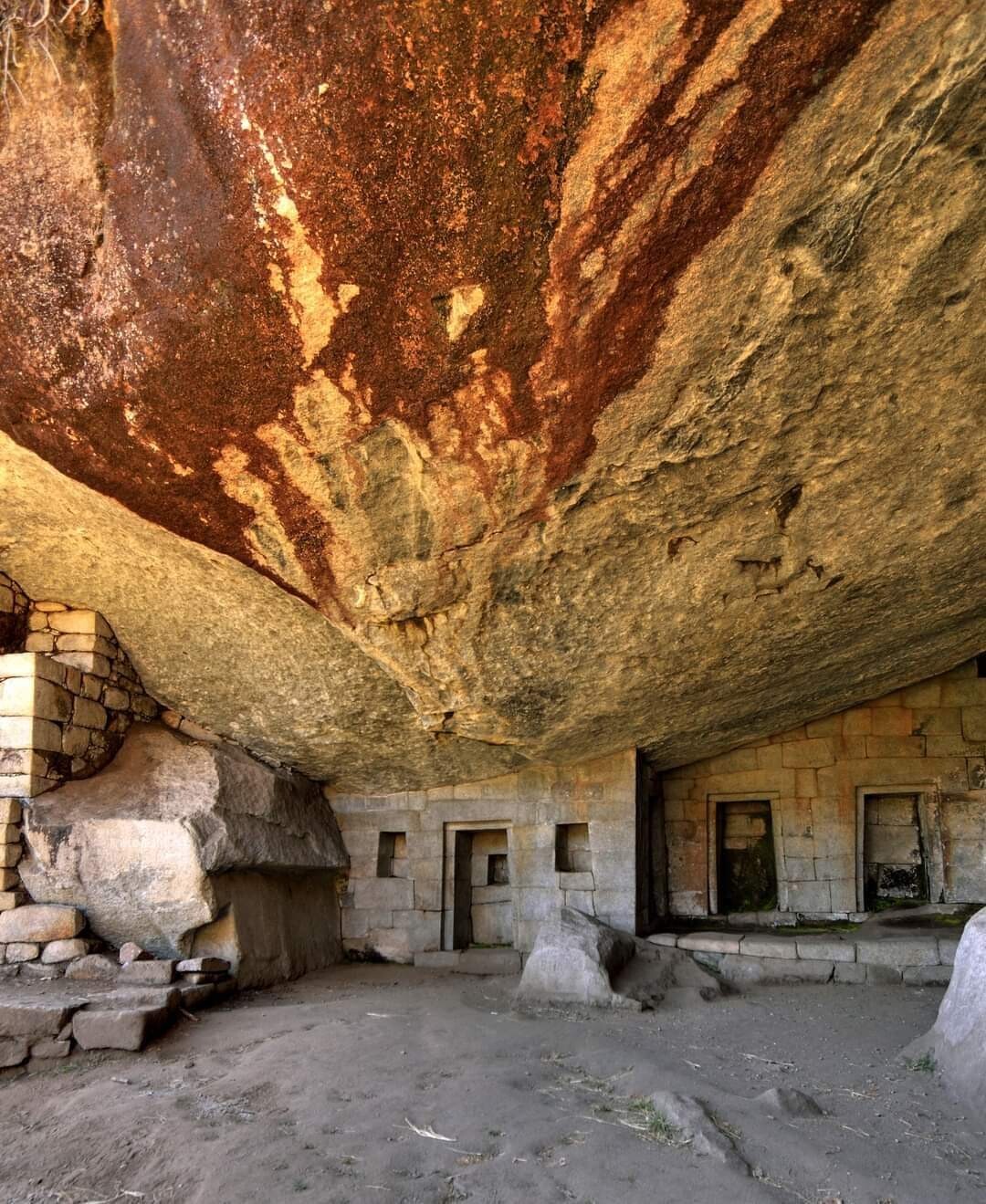
Temple of the Moon; one of Machu Picchu’s best-kept secrets. Located on backside of Machu Picchu, Peru.
Explorers must descend approximately 1000 stone stairs to find this stunning precision mortarless white granite temple built into this mountainous cave.
Archaeo-Histories · @archaeohistories
749 followers · 1377 posts · Server ohai.social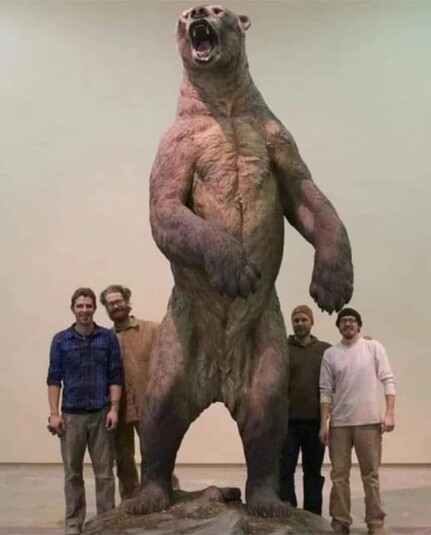
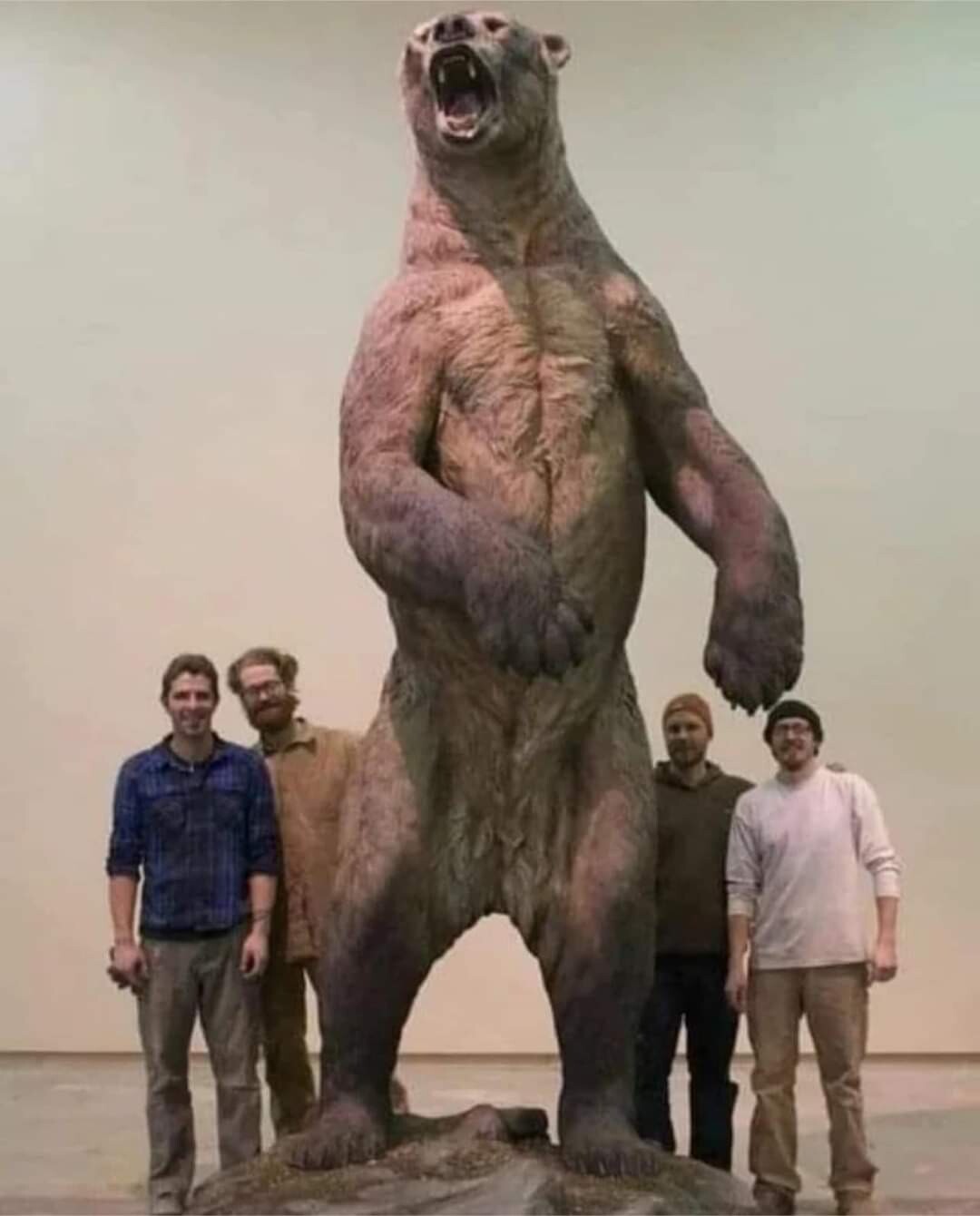
Modern reconstruction of short-faced bear; an extinct ancient bear that lived in North America 11,000 years ago.
They were extremely large bears, weighing more than 1 ton and standing up to 12ft tall. Despite their enormous stature, Bear could run up to 40 miles per hour.
Archaeo-Histories · @archaeohistories
740 followers · 1374 posts · Server ohai.social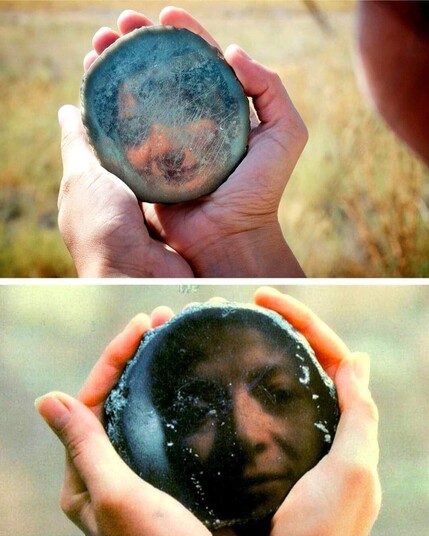
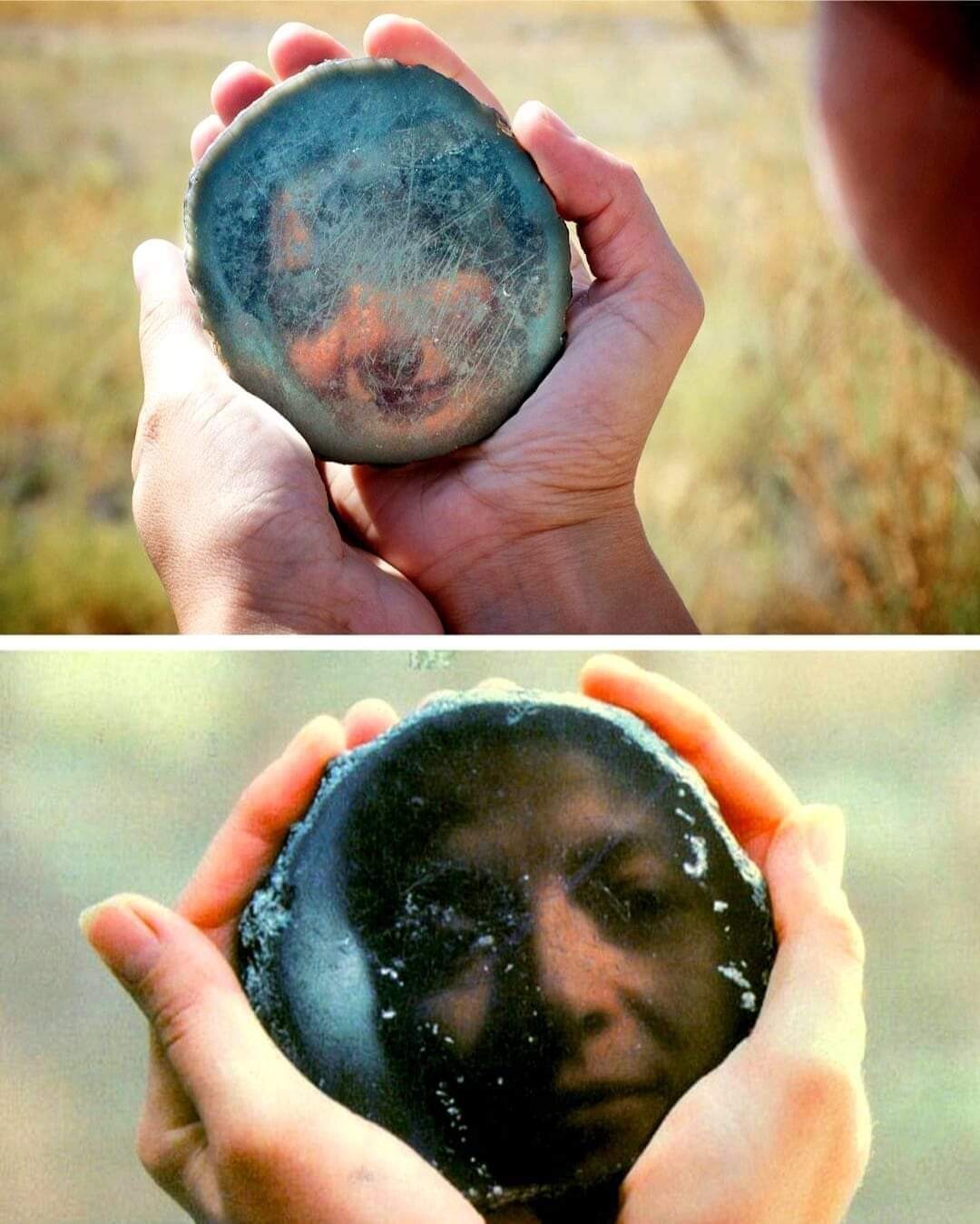
A 8000 year old, mirror found in Çatalhöyük (Konya); Türkiye, by archaeologist James Melleart.
It was determined that mirror was made of obsidian, which is called volcanic glass and formed by cooling of lava formed as a result of volcanic eruptions.
Archaeo-Histories · @archaeohistories
740 followers · 1372 posts · Server ohai.social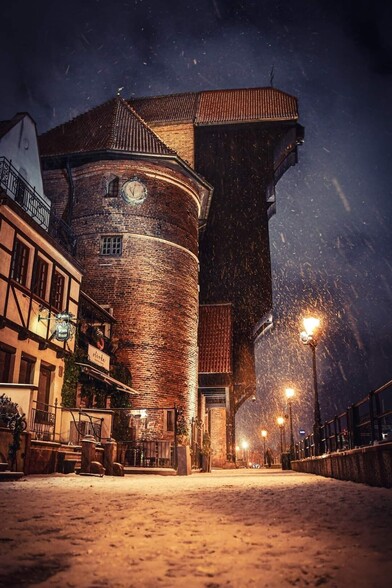
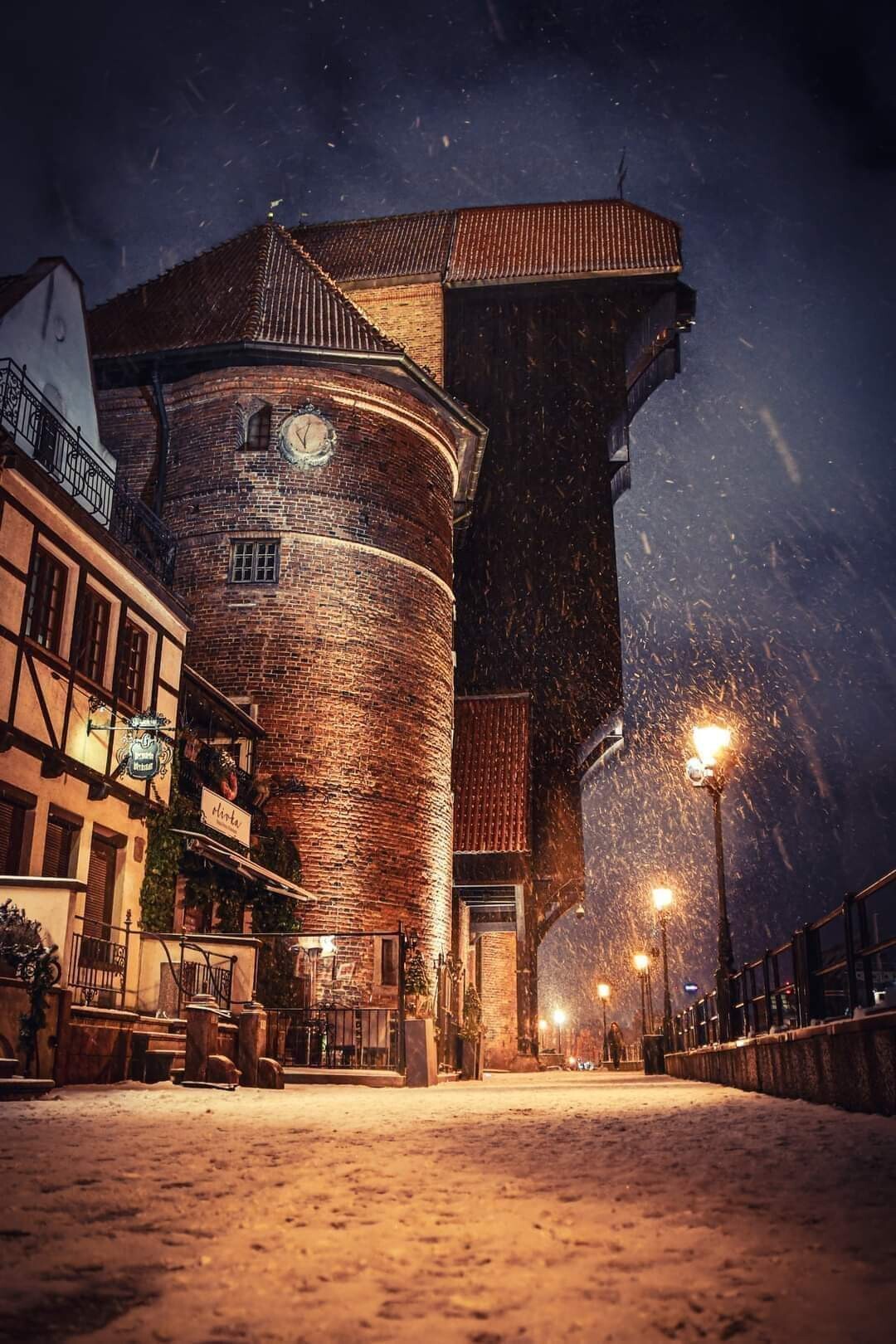
Brama Żuraw, a historic port crane and one of Gdańsk's water gates, which is located on Motława River, at end of Szeroka Street, Gdańsk, Poland.
It is one of branches of National Maritime Museum in Gdańsk and largest and oldest surviving port crane in medieval Europe.
📷 : Krzysztof Zalewski
Archaeo-Histories · @archaeohistories
740 followers · 1371 posts · Server ohai.social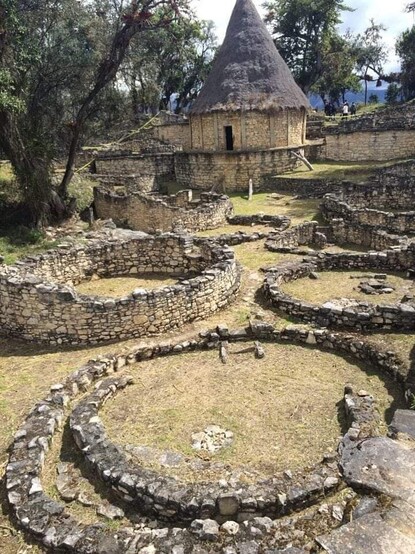
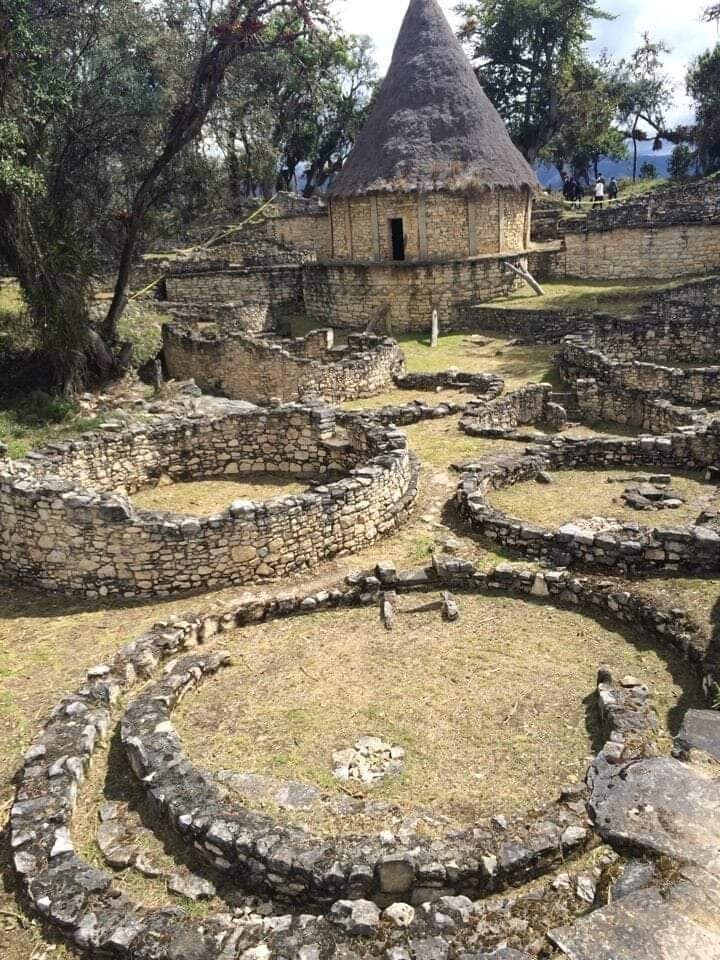
Kulap, a magnificent stronghold of Chachapoyas Culture (900-1470 CE), Peru.
Castle of Kuélap is distinguished by its immense character and complexity of its location. Its historical significance allows you to learn its historical history in detail: a society that enjoyed cultural splendor long before Incaic Empire. Kuélap is certainly most admirable testimony of Peru's Northeastern Andes.
These two huge artificial platforms rise above village center or city.
Archaeo-Histories · @archaeohistories
740 followers · 1371 posts · Server ohai.social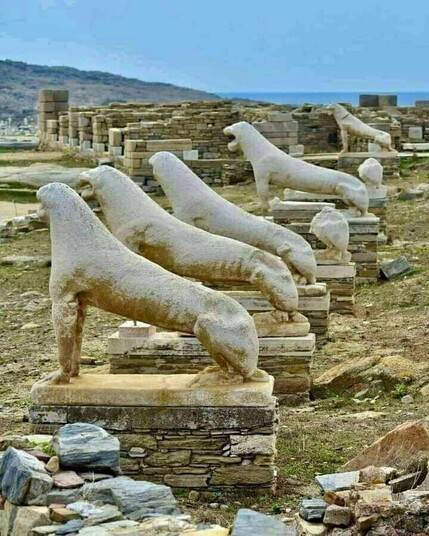
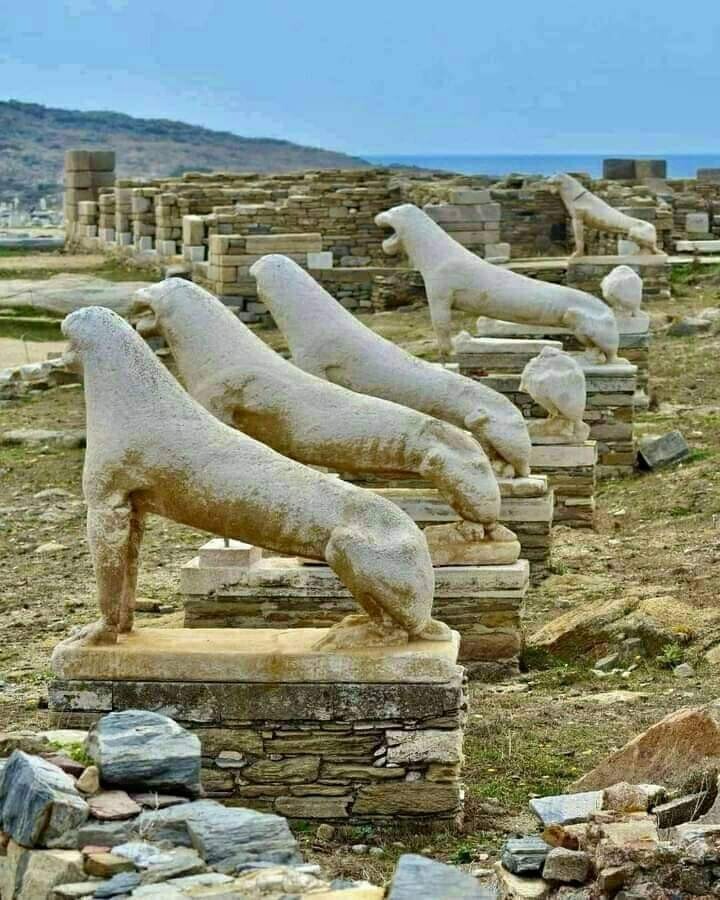
Lion Tower (600 BC) located at archaeological site of Delos, located near Mykonos in Cyclades in Aegean Sea, Greece.
Island of Delos is considered to be birthplace of god Apollo and his sister Artemis, an important religious center in ancient Greece, first full lion was discovered in 1905 CE, all lion statues remained intact.
Archaeo-Histories · @archaeohistories
740 followers · 1371 posts · Server ohai.social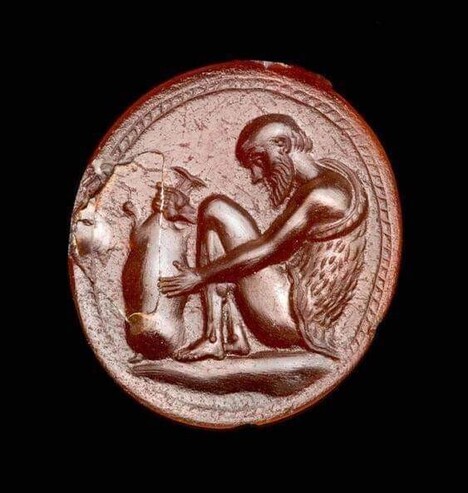
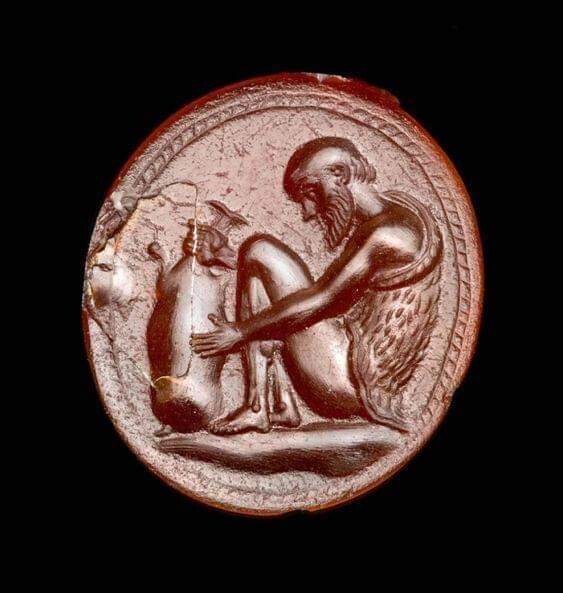
Greek Oval gem with Silenos holding a wineskin (2nd–1st Century BC).
Orange-red carnelian depicts Silenos, bald, bearded and wearing an animal skin, sitting in profile to right. He holds opening of a full wineskin with his right hand and steadies container with his left.
MFA Boston
Archaeo-Histories · @archaeohistories
738 followers · 1368 posts · Server ohai.social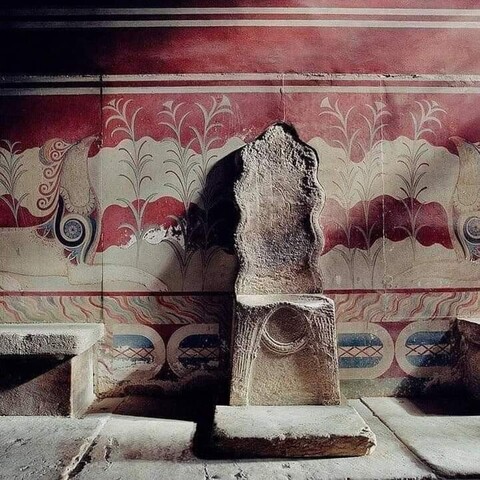
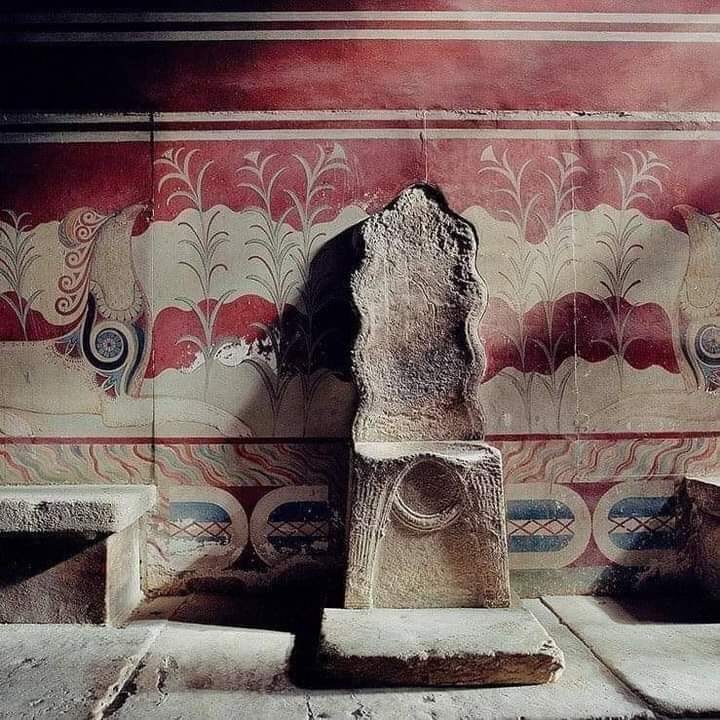
The oldest throne room (15th Century BC) in Europe, at the heart of the Bronze Age Minoan Palace of Knossos, Crete, Greece.
Archaeo-Histories · @archaeohistories
738 followers · 1367 posts · Server ohai.social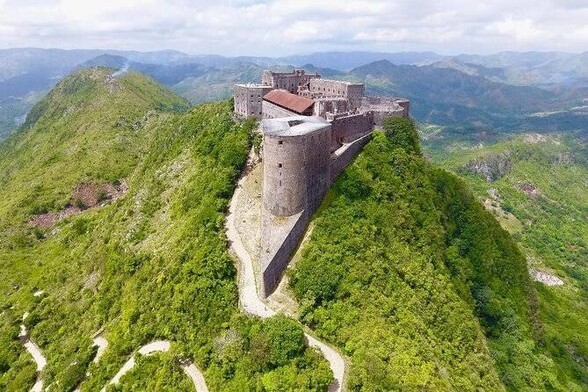
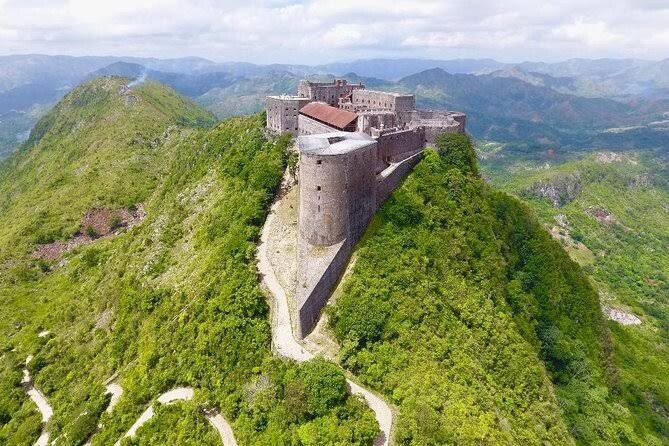
Citadelle Laferrière, a massive grey fortress perched on a mountaintop near Cap-Haïtien, northern Haiti.
It was built by Henri Christophe, former slave, revolutionary, and ruler of Haiti from 1807-1820 CE, Christophe had up to 20,000 of his fellow newly independent countrymen build it.
Construction beginning in 1805 and ending some 15 years later.
Archaeo-Histories · @archaeohistories
736 followers · 1366 posts · Server ohai.social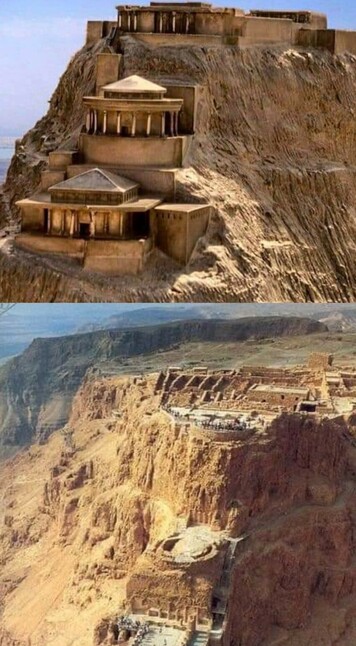
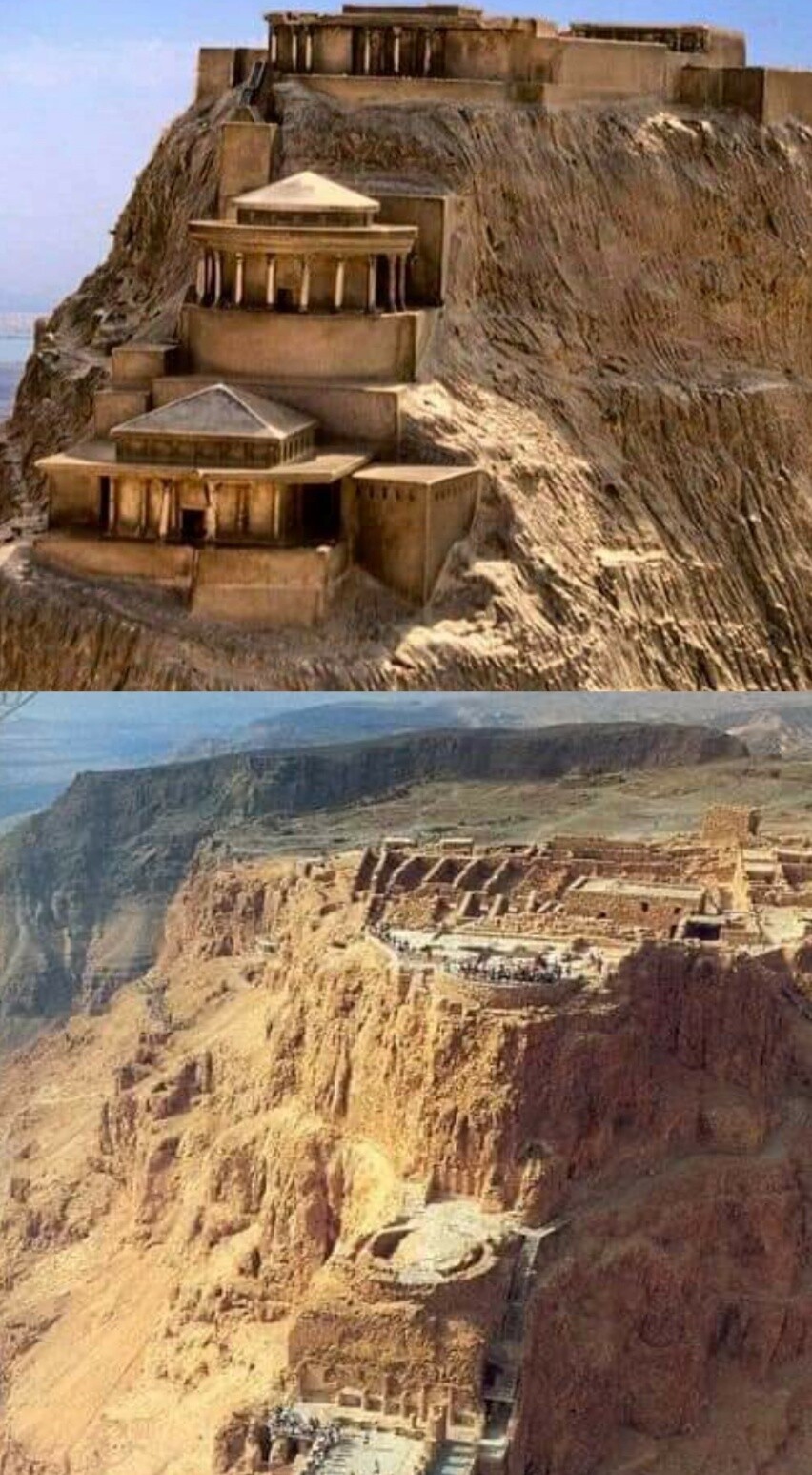
Then vs Now :
Masada, a rugged natural fortress, in Judaean Desert overlooking Dead Sea. It is a symbol of ancient kingdom of Israel, its violent destruction and last stand of Jewish patriots in face of Roman army, 73 AD.
It was built as a palace complex in classic style of early Roman Empire, by Herod the Great, King of Judaea, (r. 37-4 BC). Camps, fortifications and attack ramp that encircle monument constitute most complete Roman siege works surviving to present day.
Archaeo-Histories · @archaeohistories
732 followers · 1365 posts · Server ohai.social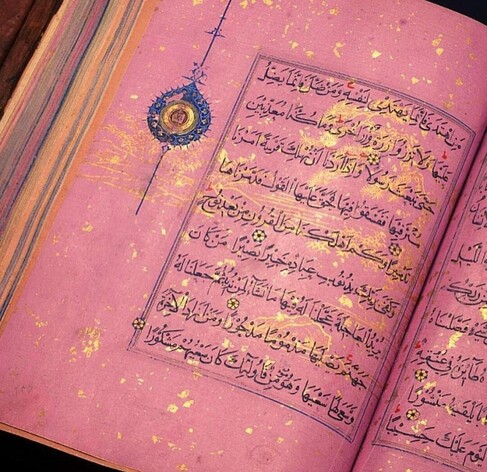
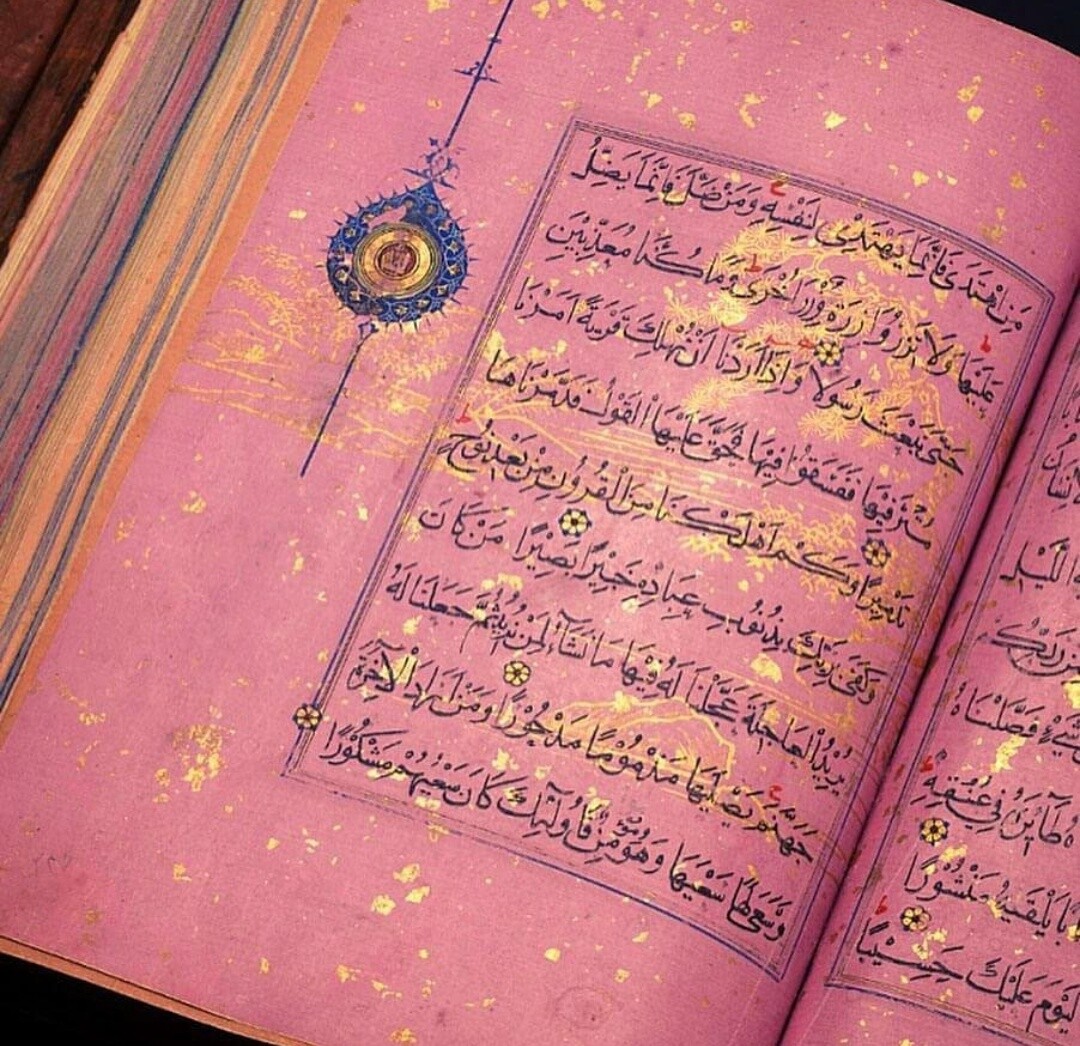
A 15th Century CE; Timurid or Aqquyunlu Qur'an, written on a rainbow range of Ming Chinese Paper, sold for £7 million at Christie's Auction, in London, last year.
Only four Qur'ans like it exists in the world, evidence of trade between these great empires.
#archaeohistories #islamicarchaeohistories
Archaeo-Histories · @archaeohistories
733 followers · 1364 posts · Server ohai.social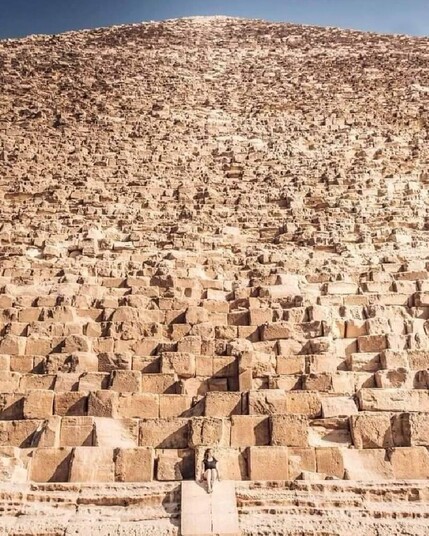
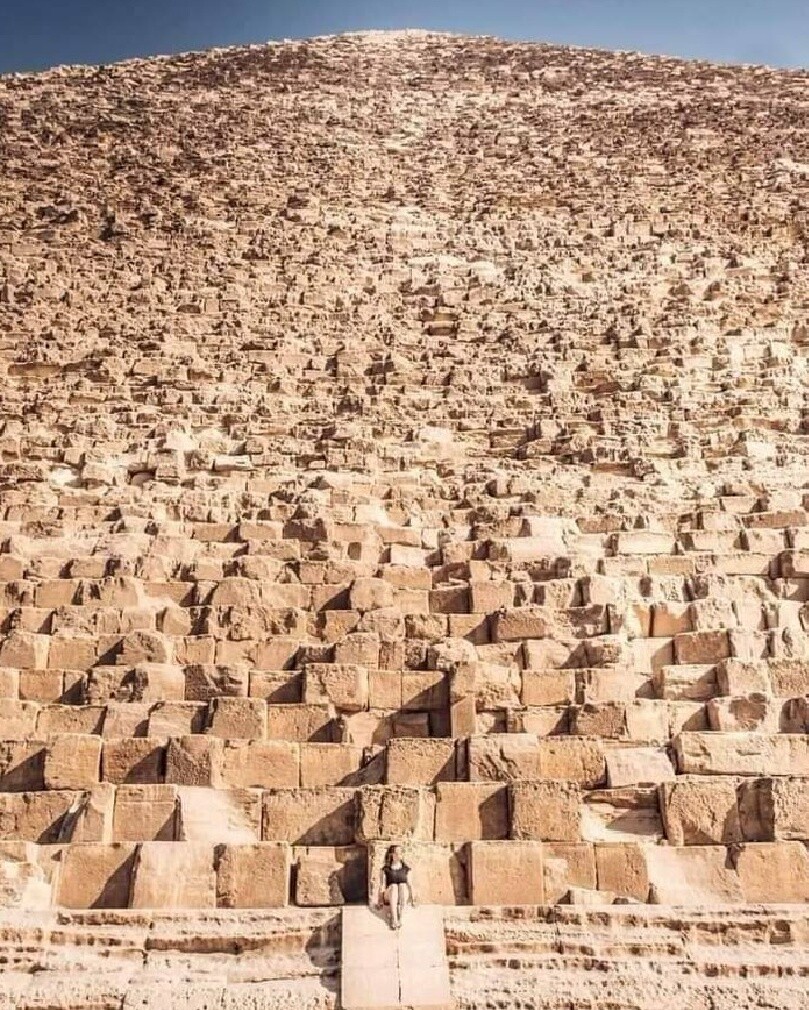
You don't realise, how big the Pyramids are, until you see them in person ...
Archaeo-Histories · @archaeohistories
732 followers · 1363 posts · Server ohai.social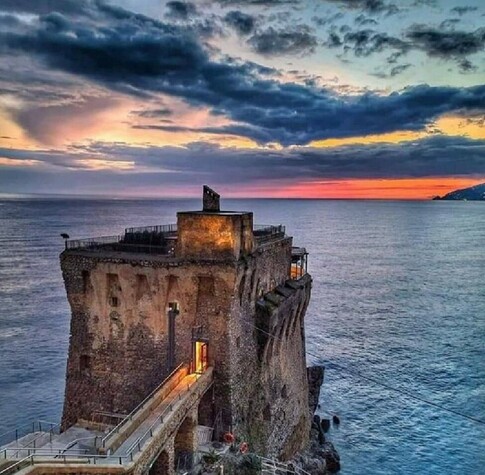
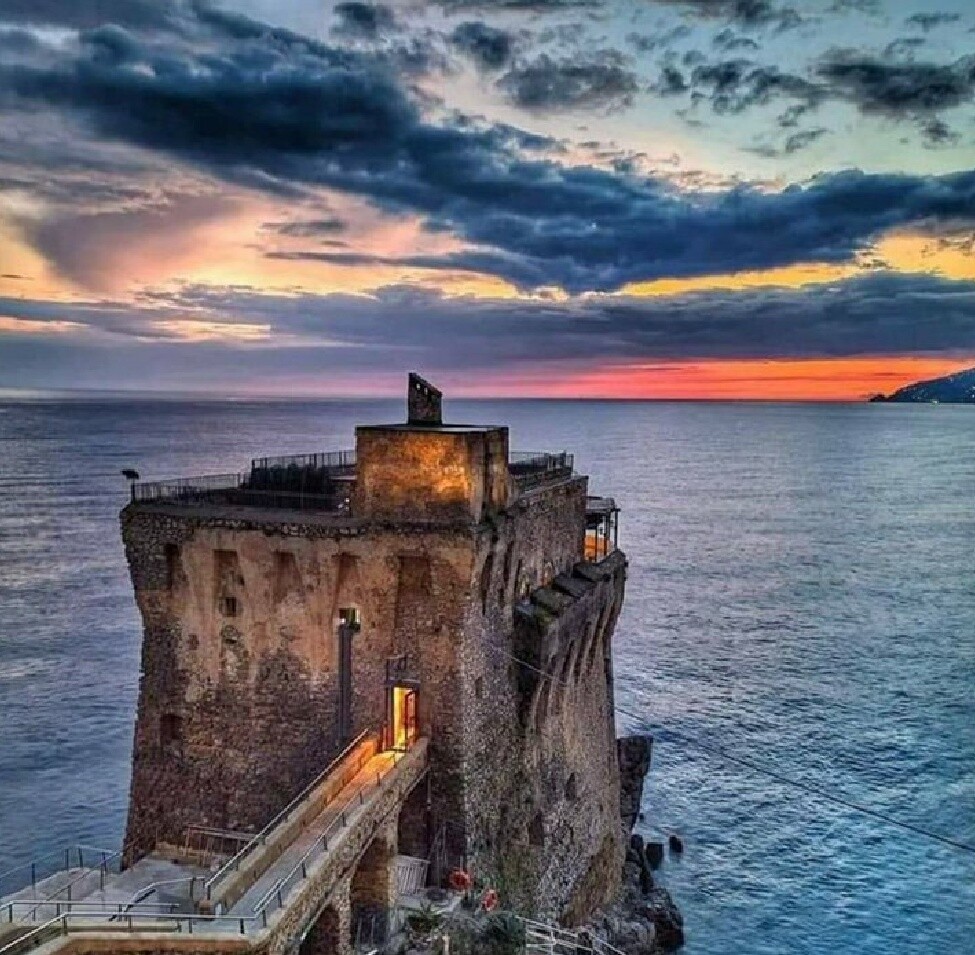
Torre Normanna; a biggest and oldest tower on the Amalfi Coast, Italy.
Tower was built between 1250-1300 CE, to keep a watch for raiders from sea and protect the local inhabitants.
Archaeo-Histories · @archaeohistories
731 followers · 1361 posts · Server ohai.social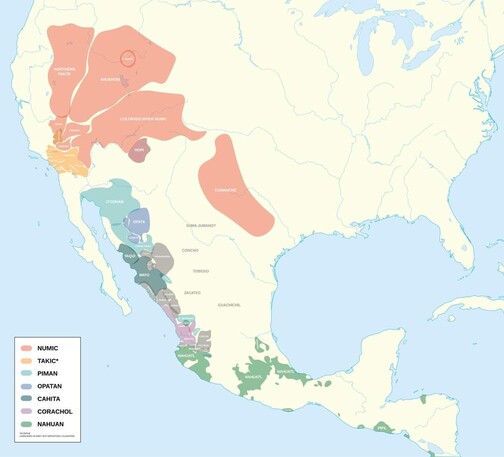

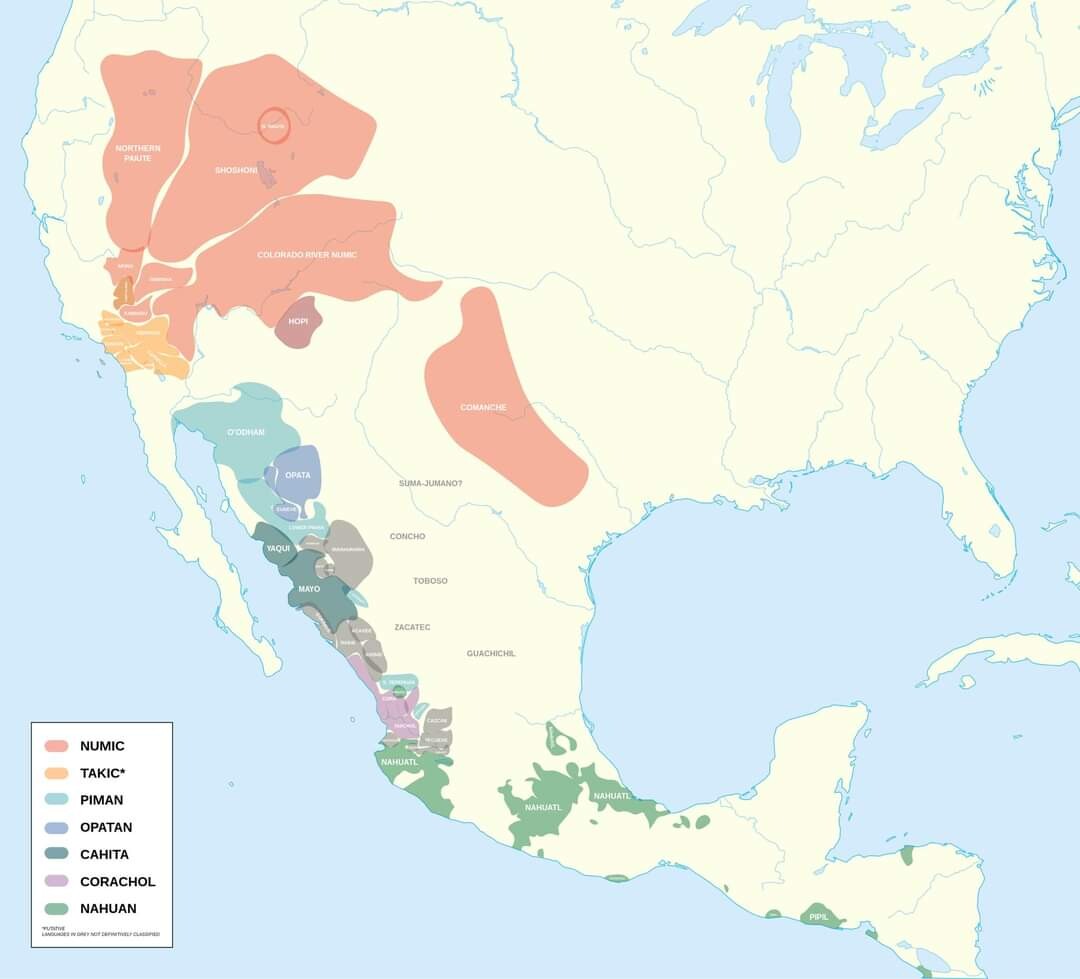
Uto-aztecan languages before European contact. Today, Nahuatl is the most widely-spoken indigenous language in North America, with 1.7 million speakers.