
Liberating Narratives · @LiberatingNarratives
108 followers · 109 posts · Server historians.social
When teaching the Haitian Revolution, I like to emphasize the role of women as one of the many things that makes the revolution radical. Patricia Brintle has painted a series of paintings of Haitian women.
We also have a panel in the graphic history of the Haitian Revolution.
You can learn more, including more images, about how to teach the role of women in the Haitian Revolution at Liberating Narratives.
https://www.liberatingnarratives.com/the-sacred-flame-of-liberte/
#TeachWorldHistory #decolonizehistory #haiti #haitianrevolution
#teachworldhistory #decolonizehistory #haiti #haitianrevolution
Liberating Narratives · @LiberatingNarratives
103 followers · 105 posts · Server historians.socialHow do you teach about the Haitian Revolution? In this month's post, I discuss how we can help students understand the global significance and legacies of the Haitian Revolution.
#TeachWorldHistory #decolonizehistory
https://www.liberatingnarratives.com/we-have-dared-to-be-free/
#teachworldhistory #decolonizehistory
Liberating Narratives · @LiberatingNarratives
103 followers · 104 posts · Server historians.socialLooking for a way to highlight how Indigenous Mexicans participated in the Mexican Revolution? There are many surprising sources, and textbooks tend to ignore Indigenous perspective on the Revolution.
#teachworldhistory #decolonizehistory #indigenoushistory
#teachworldhistory #decolonizehistory #indigenoushistory
Liberating Narratives · @LiberatingNarratives
102 followers · 102 posts · Server historians.social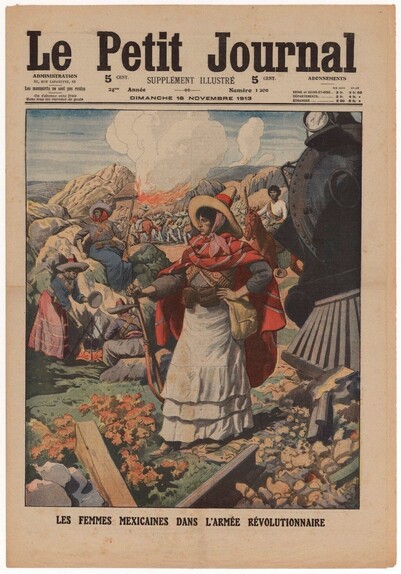
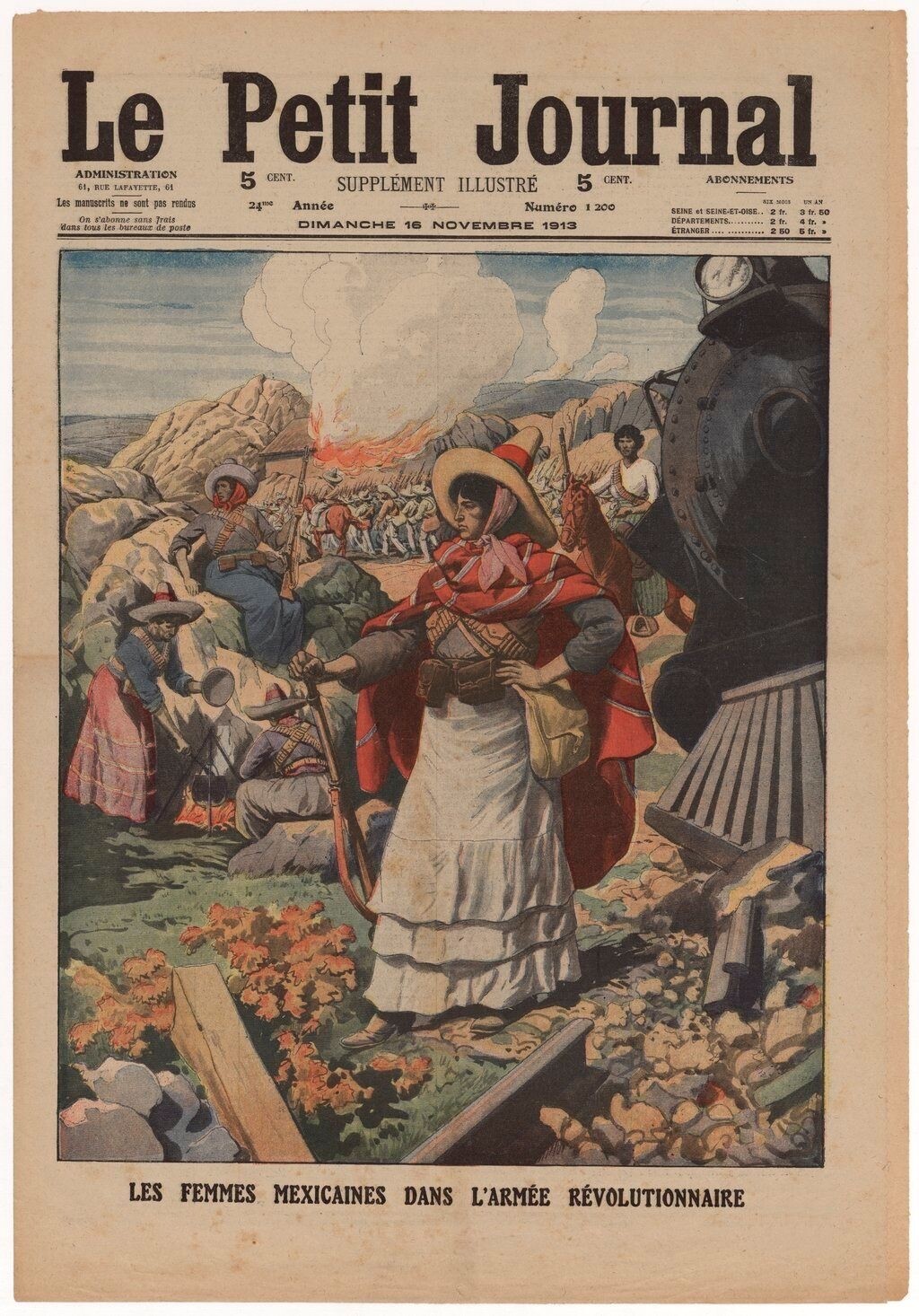
One of my favorite images to teach students about the role of women in the Mexican Revolution.
You can learn more about this image and how to use it in the classroom at Liberating Narratives
https://www.liberatingnarratives.com/smashing-the-european-order/
#teachworldhistory #decolonizehistory
Liberating Narratives · @LiberatingNarratives
98 followers · 98 posts · Server historians.social
How do you teach world history from 1945 to 1975? Is it more Churchill ‘Iron Curtain” (all about an American-Soviet Cold War) or more Ho Chi Minh delivering the Vietnamese Declaration of Independence (more focused on the rest of the world)?
You can read more about how I center the voices of Asians and Africans in this period on my latest post:
https://www.liberatingnarratives.com/maintain-friendly-relations-with-all-countries/
#teachworldhistory #decolonizehistory
Liberating Narratives · @LiberatingNarratives
98 followers · 95 posts · Server historians.socialOne of my favorite resources for teaching about Indian resistance to British imperialism in the 18th century is the “tiger organ” that Tipu Sultan sent to the British to mock them.
You can learn more about how to use this this item and how Tipu Sultan fits into world history on Liberating Narratives
#teachhistoryvisually #decolonizehistory #teachworldhistory
Liberating Narratives · @LiberatingNarratives
97 followers · 87 posts · Server historians.social
Akbar is probably the most taught Mughal Emperor in world history courses. We often describe him as being "cosmopolitan" and "inclusive," but how do we help students understand what that meant?
#teachworldhistory #teachhistoryvisually #decolonizehistory /1
#teachworldhistory #teachhistoryvisually #decolonizehistory
Liberating Narratives · @LiberatingNarratives
90 followers · 75 posts · Server historians.socialAfter two months of writing about how we can teach imperialism in a way that centers the voices of colonized people, I have a few final thoughts
#TeachWorldHistory #decolonizehistory
#teachworldhistory #decolonizehistory
Liberating Narratives · @LiberatingNarratives
88 followers · 70 posts · Server historians.socialThis week’s post is live. I bet you never realized just how much Pacific Islanders challenged imperialism. Come find out!
#teachworldhistory #decolonizehistory
https://www.liberatingnarratives.com/among-a-kindred-people/
#teachworldhistory #decolonizehistory
Liberating Narratives · @LiberatingNarratives
88 followers · 69 posts · Server historians.socialThis week’s post is live. I discuss how to center the voices of Africans when teaching imperialism in Africa. There are LOTS of resources in this post.
#teachworldhistory #decolonizehistory https://www.liberatingnarratives.com/we-begged-the-white-men-to-leave-us-alone/
#teachworldhistory #decolonizehistory
Liberating Narratives · @LiberatingNarratives
88 followers · 66 posts · Server historians.socialThe new free monthly essay is live. I discuss how we can use sources by Africans to challenge the racist nature of many colonial sources when teaching the history of colonial Africa.
#teachworldhistory #decolonizehistory #africa
https://www.liberatingnarratives.com/we-thought-it-best-to-fight
/1
#teachworldhistory #decolonizehistory #africa
Liberating Narratives · @LiberatingNarratives
85 followers · 60 posts · Server historians.socialThis week's post is live. How do we teach the British Raj through stories of Indian resistance? Here's a preview 🧵
#teachworldhistory #decolonizehistory
https://www.liberatingnarratives.com/british-boxing-versus-indian-fisticuffs/
/1
#teachworldhistory #decolonizehistory
Liberating Narratives · @LiberatingNarratives
82 followers · 56 posts · Server historians.socialThis week's post is live. How do we teach the events leading up to the European rush for colonies in the 1880s & 1890s? Older interpretations have relied on bad jokes about empires being won in "a fit of absent-mindedness," but those jokes downplay and obscure real policies designed to take land from Africans & Asians in the middle of the 19th century.
#teachworldhistory #decolonizehistory
https://www.liberatingnarratives.com/the-invaders-will-know-no-tranquility/
#teachworldhistory #decolonizehistory
Liberating Narratives · @LiberatingNarratives
82 followers · 53 posts · Server historians.socialThis week’s post is live. I discuss how to teach the causes of New Imperialism using primary sources.
We want to have students analyze what advocates of imperialism wrote, but students NEED to look at the critics of imperialism in both Europe and the colonies. We can read what the Vietnamese thought about French explanations for imperialism.
#teachworldhistory #decolonizehistory
https://www.liberatingnarratives.com/pilfering-our-resources/
#teachworldhistory #decolonizehistory
Liberating Narratives · @LiberatingNarratives
82 followers · 49 posts · Server historians.social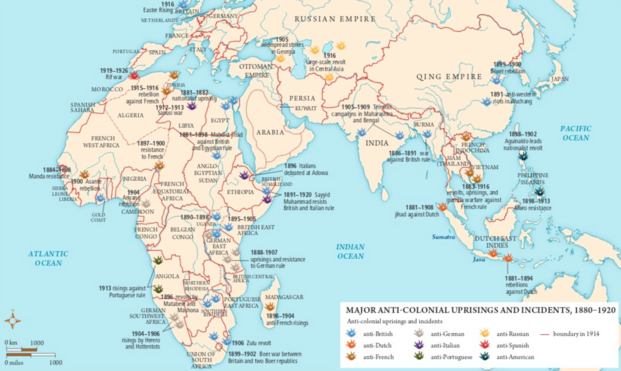
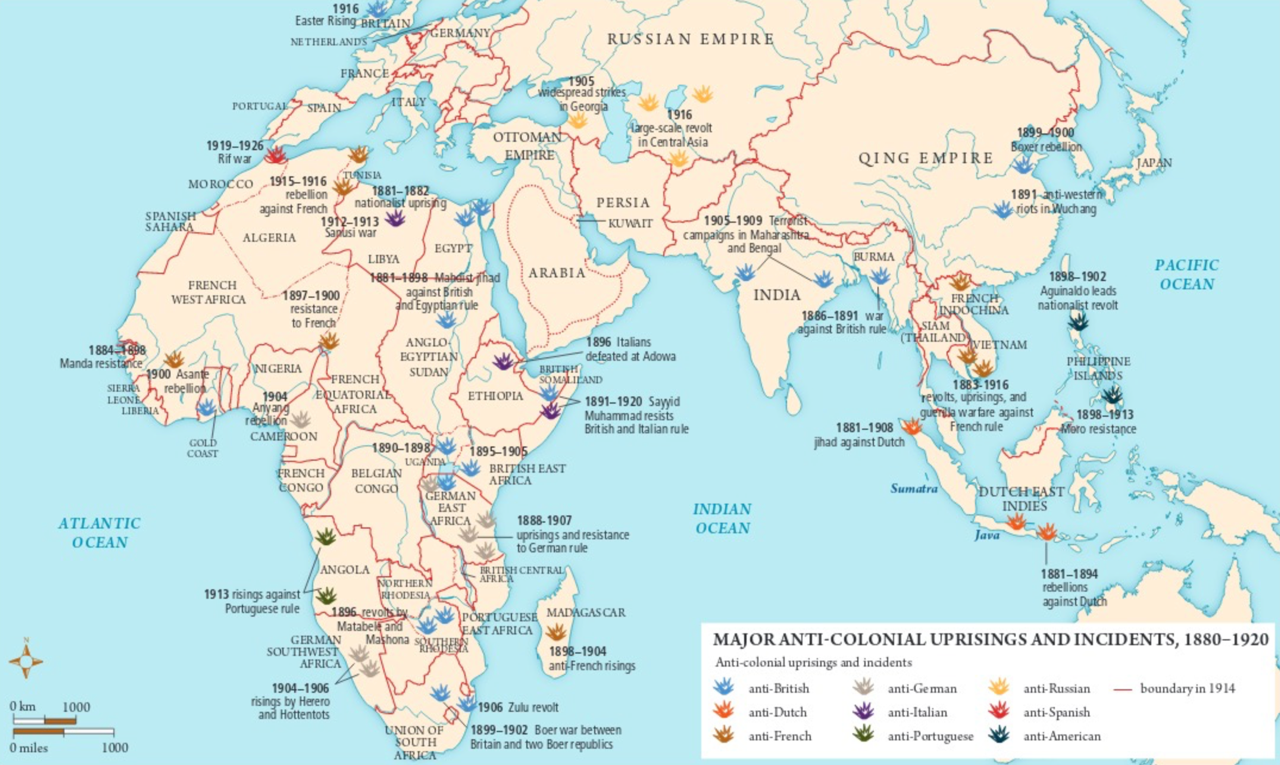
Here's another great map showing how frequently colonized peoples challenged European imperialism. We want to use more maps like this one when teaching imperialism. There are definitely other revolts that happened between 1880 and 1920. Please feel to include other visual resources related to those uprisings.
#teachhistoryvisually #decolonizehistory #teachworldhistory #teachhistory
#teachhistoryvisually #decolonizehistory #teachworldhistory #teachhistory
Liberating Narratives · @LiberatingNarratives
80 followers · 42 posts · Server historians.socialThe new free monthly essay is live. I discuss how we can better teach New Imperialism & center the voices of colonized people. Here's a little preview 🧵
#teachworldhistory #decolonize #decolonizehistory
https://www.liberatingnarratives.com/white-devils-all-over-asia/
#teachworldhistory #decolonize #decolonizehistory
Liberating Narratives · @LiberatingNarratives
73 followers · 31 posts · Server historians.socialThis week’s post is live. I discuss how to teach the global silver trade. We often focus on the patterns of exchange, but how did this trade affect Indigenous Americans in South America?
#teachworldhistory #decolonizehistory
#teachworldhistory #decolonizehistory
Liberating Narratives · @LiberatingNarratives
47 followers · 23 posts · Server historians.socialThis week’s post is live. I discuss how to teach the arrival of the Portuguese in the Indian Ocean. We have lots of Portuguese sources, but how did lascars working for the Portuguese think about the new arrivals?
If you’re wondering who lascars were, they were the sailors from the Indian Ocean basin who worked on European ships starting in the sixteenth century.
#teachworldhistory
#decolonizehistory
https://www.liberatingnarratives.com/ruined-and-plundered-and-burned/
#teachworldhistory #decolonizehistory
Liberating Narratives · @LiberatingNarratives
43 followers · 19 posts · Server historians.social
Nasser led a revolution in Egypt in 1952 & nationalized Suez Canal in 1956. The British, French, & Israelis failed to retake the Suez Canal & remove Nasser. He became a hero in Egypt & launched a modernization program known as Arab Nationalism.
#teachhistoryvisually
#teachworldhistory
#decolonizehistory
#teachhistoryvisually #teachworldhistory #decolonizehistory
Liberating Narratives · @LiberatingNarratives
36 followers · 15 posts · Server historians.social





The Portuguese weren't the only new arrivals in the Indian Ocean in the sixteenth century. The Ottomans also established a presence in the Indian Ocean and challenged Portuguese expansion. Contemporary Portuguese illustration of the Ottomans defending Jiddah/Jeddah against the Portuguese in 1517. By Gaspar Correia.
#teachhistoryvisually #teachworldhistory #decolonizehistory
#teachhistoryvisually #teachworldhistory #decolonizehistory