
Daniele de Rigo · @dderigo
175 followers · 201 posts · Server hostux.social4/
For example, a 2023 study [2] on Western United States found that #solar #photovoltaics (PV) "energy production decreases 8.3 % on average during high #smoke days at PV sites as compared to similar conditions without smoke present." [2]
However, #ClimateChange and human factors both contribute. This is because "#ClimateChange is increasing the #probability of ‘fire weather’" [1], but this increased #FireDangerByWeather acts on existing #ignitions, either natural or human-caused.
#solar #photovoltaics #smoke #ClimateChange #probability #firedangerbyweather #ignitions
Daniele de Rigo · @dderigo
175 followers · 201 posts · Server hostux.social4/
For example, a 2023 study [2] on Western United States found that #solar #photovoltaics (PV) "energy production decreases 8.3 % on average during high #smoke days at PV sites as compared to similar conditions without smoke present." [2]
However, #ClimateChange and human factors both contribute to these impacts. This is because "#ClimateChange is increasing the #probability of ‘fire weather’, but this increased #FireDangerByWeather acts on existing ignitions, either natural or human-caused.
#solar #photovoltaics #smoke #ClimateChange #probability #firedangerbyweather
Daniele de Rigo · @dderigo
113 followers · 127 posts · Server hostux.social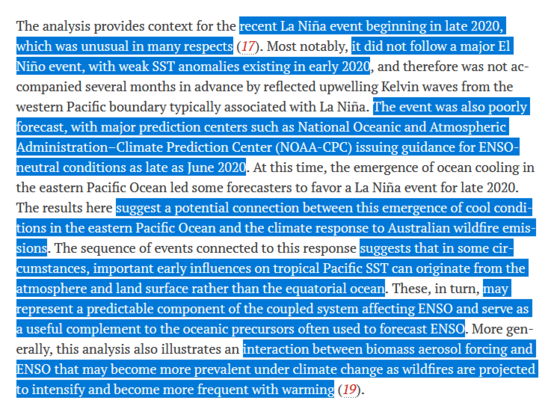
4/
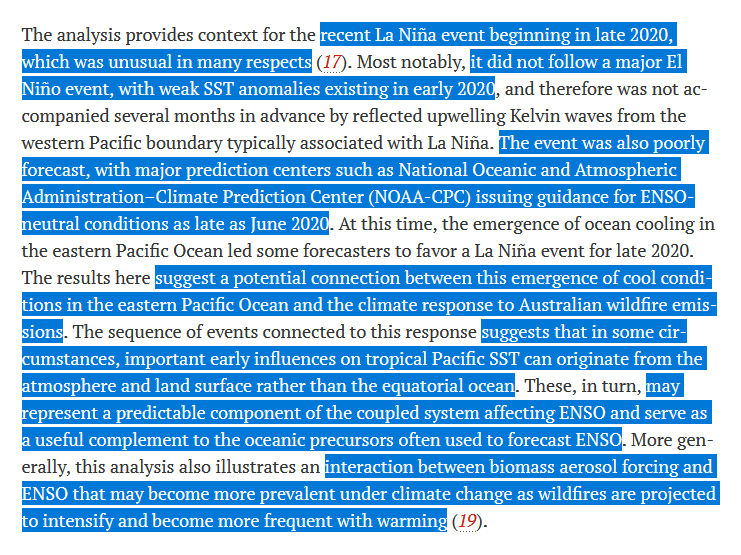
On #ENSO, another study [2] highlighted unobvious possible connections between the extreme 2019–2020 Australian #wildfire season, and the unusual 2020–2022 strong #LaNiña events (if so, then we may expect similar global events to become less and less rare as the changing climate is worsening #FireDangerByWeather - meaning that extreme wildfire events globally might exert important effects not considered before)
#enso #wildfire #lanina #firedangerbyweather #CCBYNC #openaccess