
Icy Sedgwick · @IcySedgwick
946 followers · 253 posts · Server mastodonapp.uk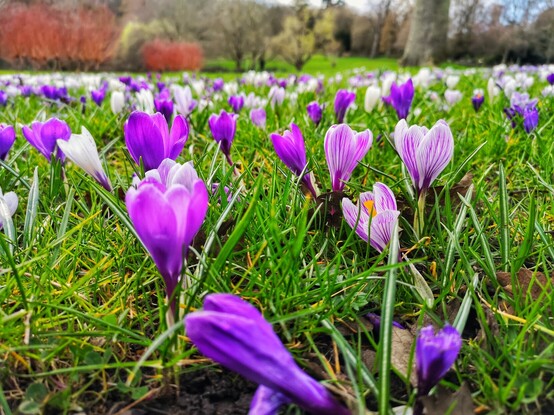
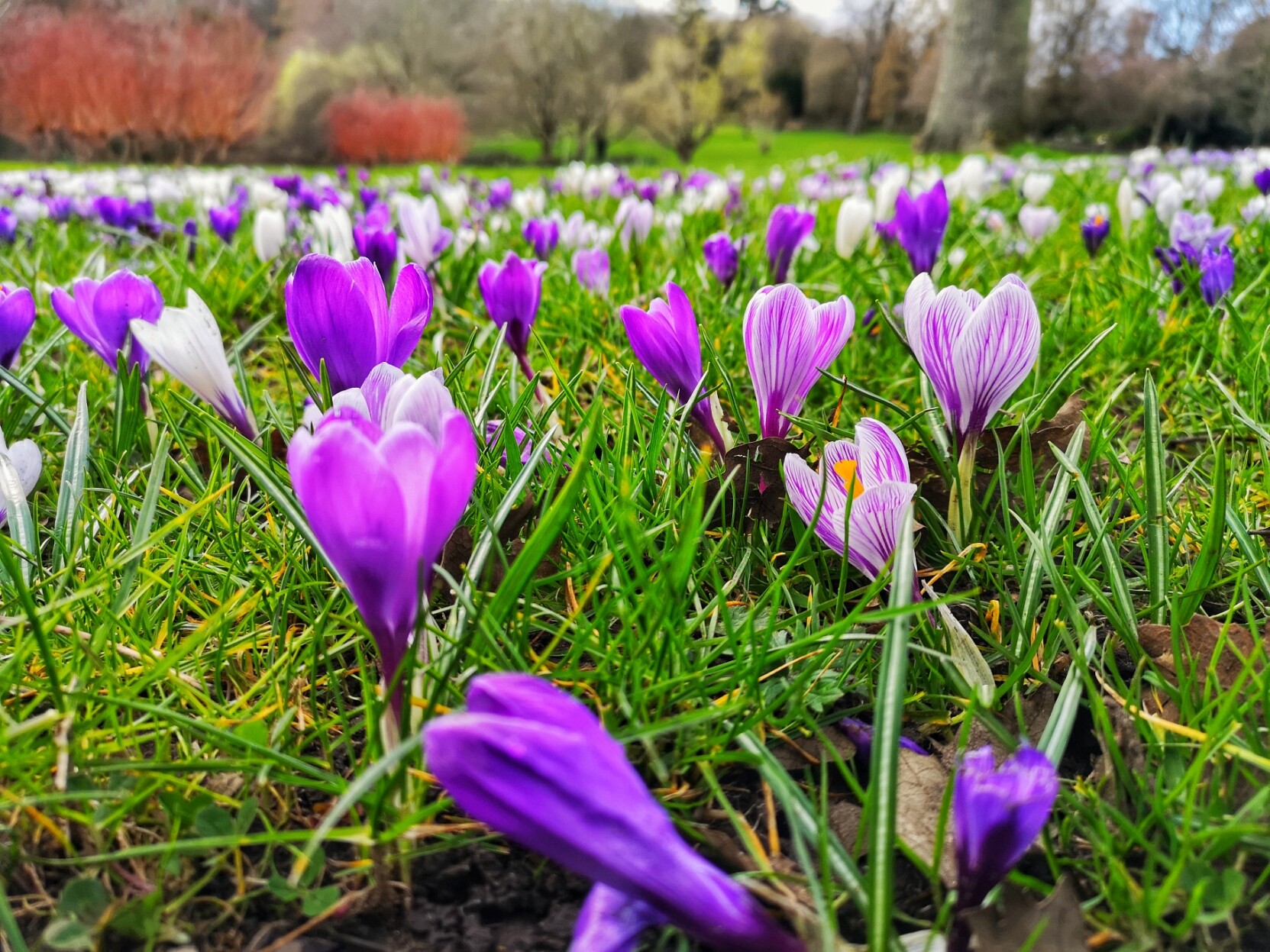
Crocuses in Waterlow Park.
According to Greek myth, a youth named Crocus had an affair with a nymph called Smilax. He became unhappy with the relationship and the gods turned him into a plant (and Smilax into a yew tree).
Others think Crocus unalived himself when the gods refused permission for him to marry Smilax. Flora, goddess of flowers, turned them into plants out of pity.
#FabulousFolklorePodcast #FlowerLore #FolkloreThursday #Folklore #FlowerFolklore #PlantLore #Crocus #Flowers
#FabulousFolklorePodcast #flowerlore #folklorethursday #folklore #flowerfolklore #PlantLore #crocus #flowers
Icy Sedgwick · @IcySedgwick
946 followers · 251 posts · Server mastodonapp.uk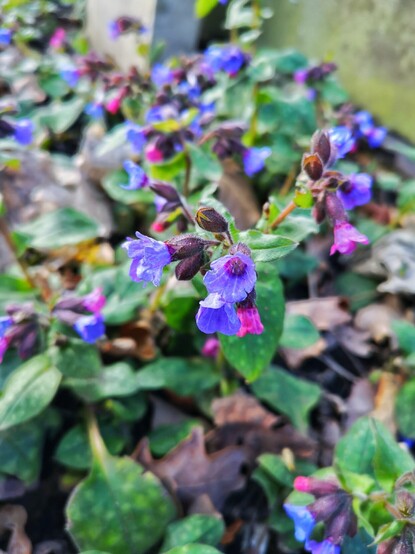
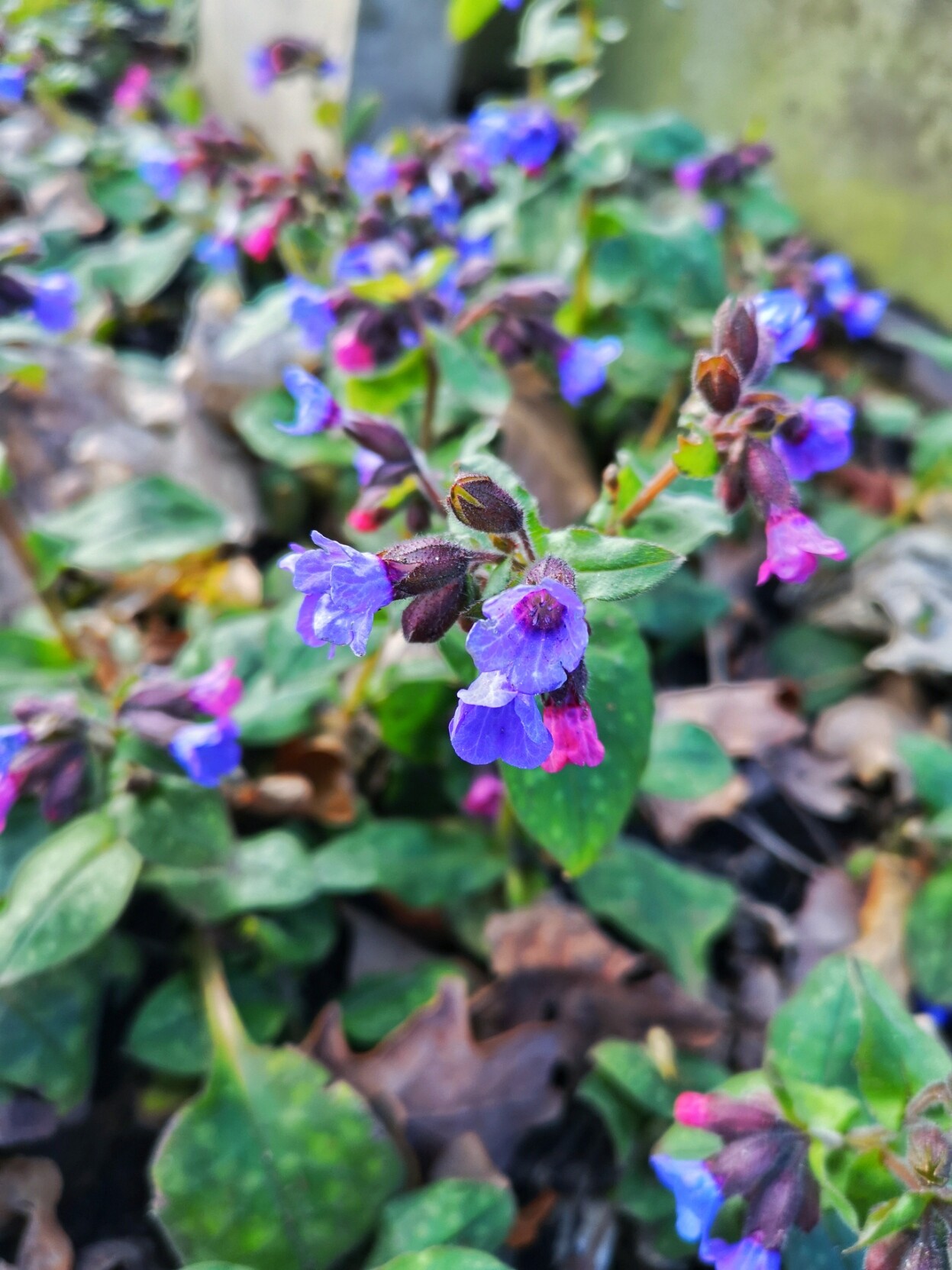
Pulmonaria, aka lungwort! So named because people thought the spotted leaves looked like diseased lungs, and in the Doctrine of Signatures, a plant part resembled the body part it was believed to treat.
#FabulousFolklorePodcast #FlowerLore #FolkloreThursday #Folklore #FlowerFolklore #PlantLore #FolkloreBlog #Pulmonaria #Flowers #Lungwort #HuaweiP20Pro
#FabulousFolklorePodcast #flowerlore #folklorethursday #folklore #flowerfolklore #PlantLore #folkloreblog #pulmonaria #flowers #lungwort #huaweip20pro
Icy Sedgwick · @IcySedgwick
943 followers · 249 posts · Server mastodonapp.uk

Primroses meant 'early youth' in the Victorian language of flowers, according to Mrs Burke's Language of Flowers dictionary.
#FabulousFolklorePodcast #FlowerLore #FolkloreThursday #Folklore #FlowerFolklore #PlantLore #VictorianLanguageOfFlowers #Floriography #Primroses #Flowers
#FabulousFolklorePodcast #flowerlore #folklorethursday #folklore #flowerfolklore #PlantLore #victorianlanguageofflowers #floriography #primroses #flowers