
· @ELLIOTTCABLE
152 followers · 225 posts · Server kolektiva.socialSo, I’m low-key thinking of writing my first-ever graphics-heavy software. (Specifically, to do with VR / UIs, but not gaming.)
Thing is, my experience is with PLT & compilers, distsys, FOSS … but _extremely_ not graphics, GPUs, or single-host performance of pretty much any kind.
I need advice. If I want to learn some relatively-low-level graphics stuff, but I have _zero_ relevant background; where do I start?
Any resources for me (tutorials, books, well-known starter projects?)
(Also, any Mastodon accounts I should follow on this topic? Poke me if you're into this stuff and I'll follow you! :P)
#programming #rendering #graphics #cg #cgi #compsci #gamedev #indiedev #gpu #gpuprogramming #opensource #augmentedreality #ar #virtualreality #vr
#programming #rendering #graphics #cg #cgi #compsci #gamedev #indiedev #GPU #gpuprogramming #opensource #augmentedreality #ar #virtualreality #vr

Netherlands eScience Center · @eScienceCenter
422 followers · 103 posts · Server akademienl.socialWe were part of the Lightning Talks of EduHPC 2020, the summarizing paper is now published!
https://ieeexplore.ieee.org/document/9308836/metrics#metrics
GPUs are used to accelerate applications in multiple scientific domains, that's why it's necessary for researchers outside of #ComputerScience to learn how to use them. Regular #GPUProgramming courses are often aimed at the computer science community, so our talk presents an open-source course, following the Carpentries pedagogical style, which makes it accessible to everyone.
#computerscience #gpuprogramming

Ivan Enderlin 🌱 :ferris: · @hywan
820 followers · 751 posts · Server fosstodon.org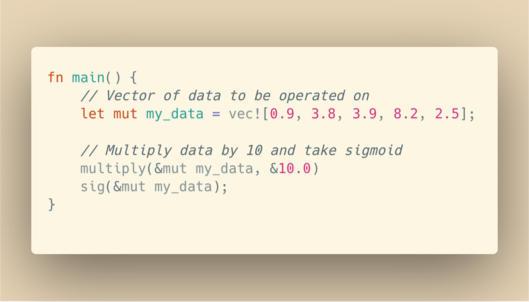
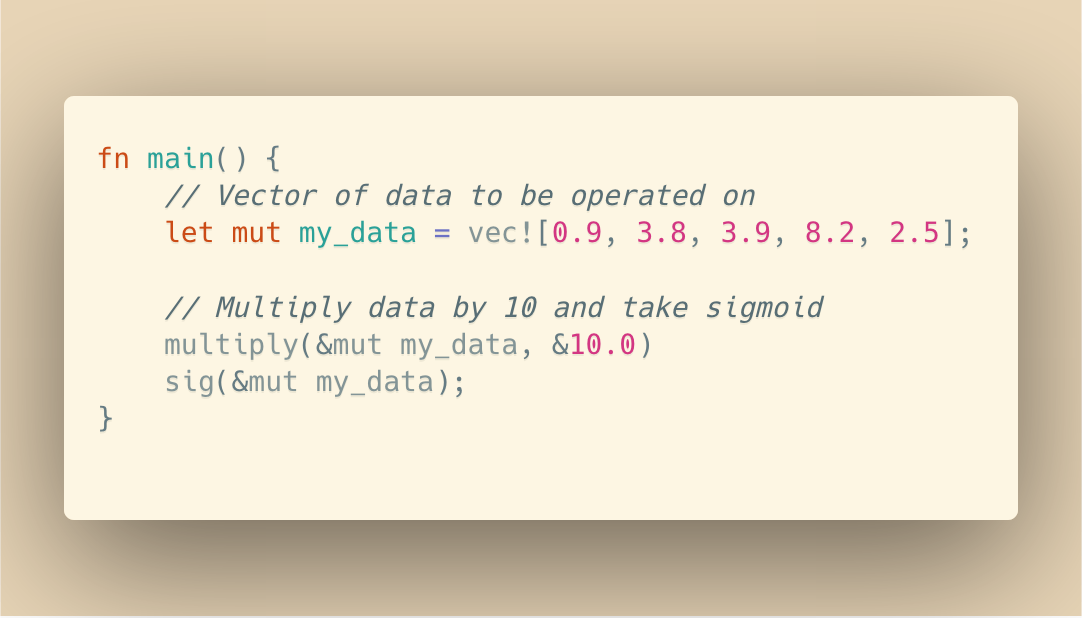
Emu, a language for programming GPUs, https://github.com/calebwin/emu.
Very interesting approach! The language is embedded inside Rust, which offers a mature developer ecosystem (cargo, rustc, docs.rs etc.). Neat.
#gpu #rustlang #gpuprogramming