
Northumbrian Stories · @northfolk
1433 followers · 988 posts · Server thefolklore.cafe
Trying to think of some Northumbrian folklore snippets that would fit the #MythologyMonday theme of nonviolence leads me to muse on the relationship between our Border legends and violence.
This was an area where violence was a normal part of life (more so than in many other places) for centuries, and it's reflected in our folklore. While we find some heroes (or anti-heroes) who win the day by trickery, one notable feature of several tales is that the hero is offered a direct choice between a violent and nonviolent route. They are often depicted as taking the nonviolent path, but this is the "wrong" way - the coward's way - and leads to their failure or downfall!
A reflection of values, maybe of a time and place when local position was won by violence, feuds were settled by the sword, and the laws of the land (Border or "March" law differed from general English or Scottish law) allowed for a tit-for-tat retaliation system.
Maybe the opposite of the theme here, but historical context will always be fascinating to me!
Pictured: The medieval border fortress of Etal Castle, in the 15th Century the site of a pitched battle between Lord Manners of Etal and Lord Heron of Ford (a couple of miles up the road) and their respective men, in which Heron was killed - the result of a petty feud between neighbours.
#Folklore #LocalHistory #Northumberland #BorderHistory #NorthumberlandHistory #Medieval #MedievalHistory #Legends #MythsAndLegends
#mythologymonday #folklore #localhistory #northumberland #borderhistory #northumberlandhistory #medieval #medievalhistory #legends #mythsandlegends
Northumbrian Stories · @northfolk
1421 followers · 931 posts · Server thefolklore.cafe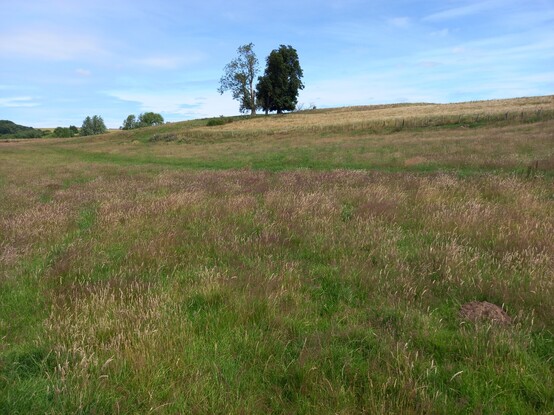

2/2
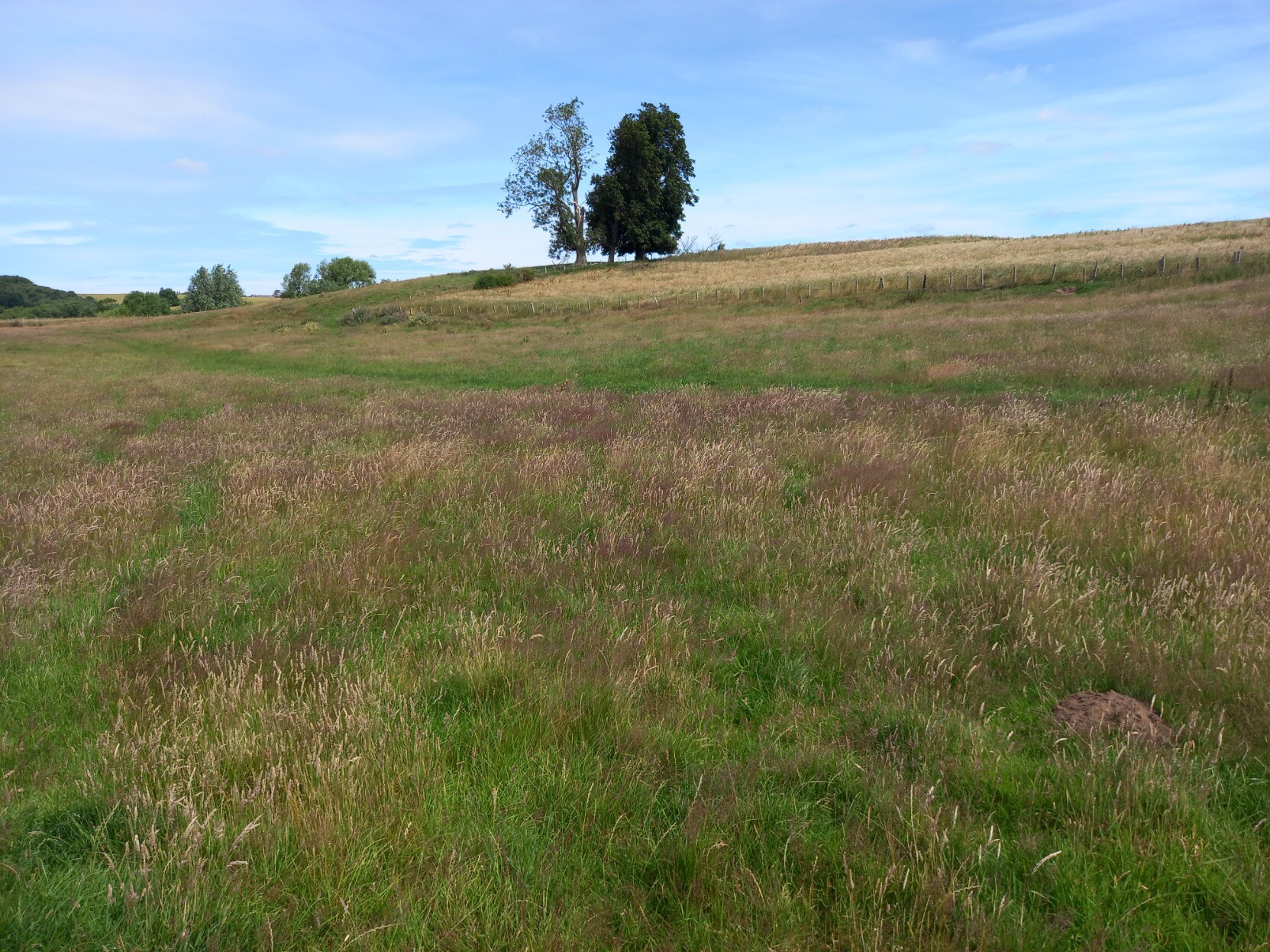
In 1847, Ann Marshall, wife of Richard Marshall, farmer of Heatherslaw, died.
The following year, at Kirknewton Parish Church (some miles and a couple of parishes away - was there some disapproval in their home parish?), Richard Marshall (65) married Jane Lilico (27).
Love? Lust? Prosaic practicality? We'll never know.
Richard Marshall died in 1858 and is buried in Ford Churchyard. He and Jane had no children.
In 1861, however, Jane can be found living at Henlaw, the second, smaller farm that Richard had held. (Heatherslaw Farmhouse was rented out as a gentleman's residence, the land of it and Henlaw presumably farmed by one of the neighbouring farmers.) She is listed as 'fundholder', which is a term I can't find a precise definition for in this context, but implies that she had private income.
She was 41 and a widow, the most independent status for a woman, if she had a little money - which Jane clearly did, as she was able to employ a servant.
As far as I know, Jane never remarried, but I like to think she got her happy ending!
#LocalHistory #WomensHistory #FolkHistory #Northumberland #NorthumberlandHistory #RuralHistory #19thCentury #HistoryInTheLandscape
#localhistory #womenshistory #folkhistory #northumberland #northumberlandhistory #ruralhistory #19thcentury #historyinthelandscape