
NASA · @nasa
29049 followers · 6070 posts · Server social.beachcom.orgOver the past couple weeks, Hubble explored #StarrySights! ✨
These new Hubble images showcase the beauty, science, and cosmic activity that star clusters contain.
Hungry for more? Check out Hubble's star cluster Flickr album: https://go.nasa.gov/3UKRPXy
#Hubble
NASA · @nasa
29005 followers · 6063 posts · Server social.beachcom.org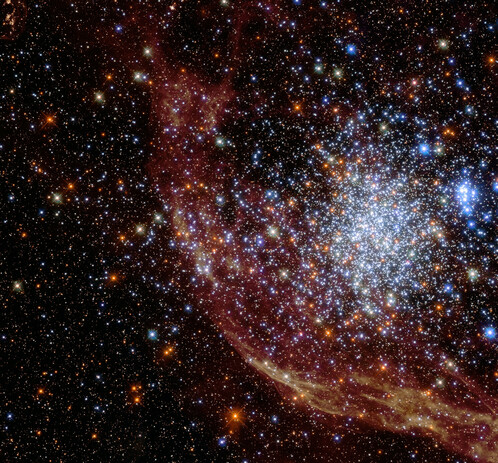
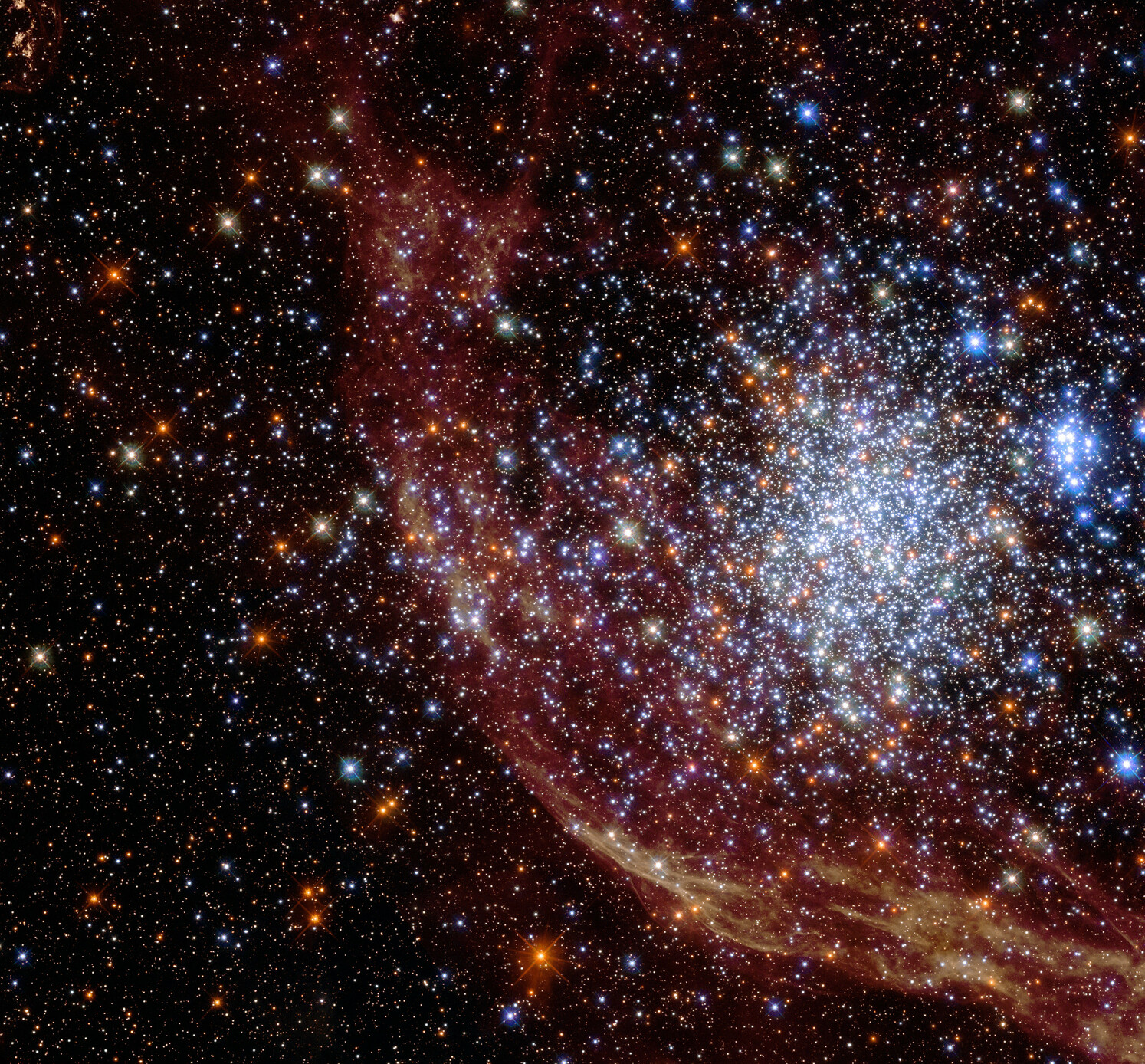
Now for the grand #StarrySights finale!
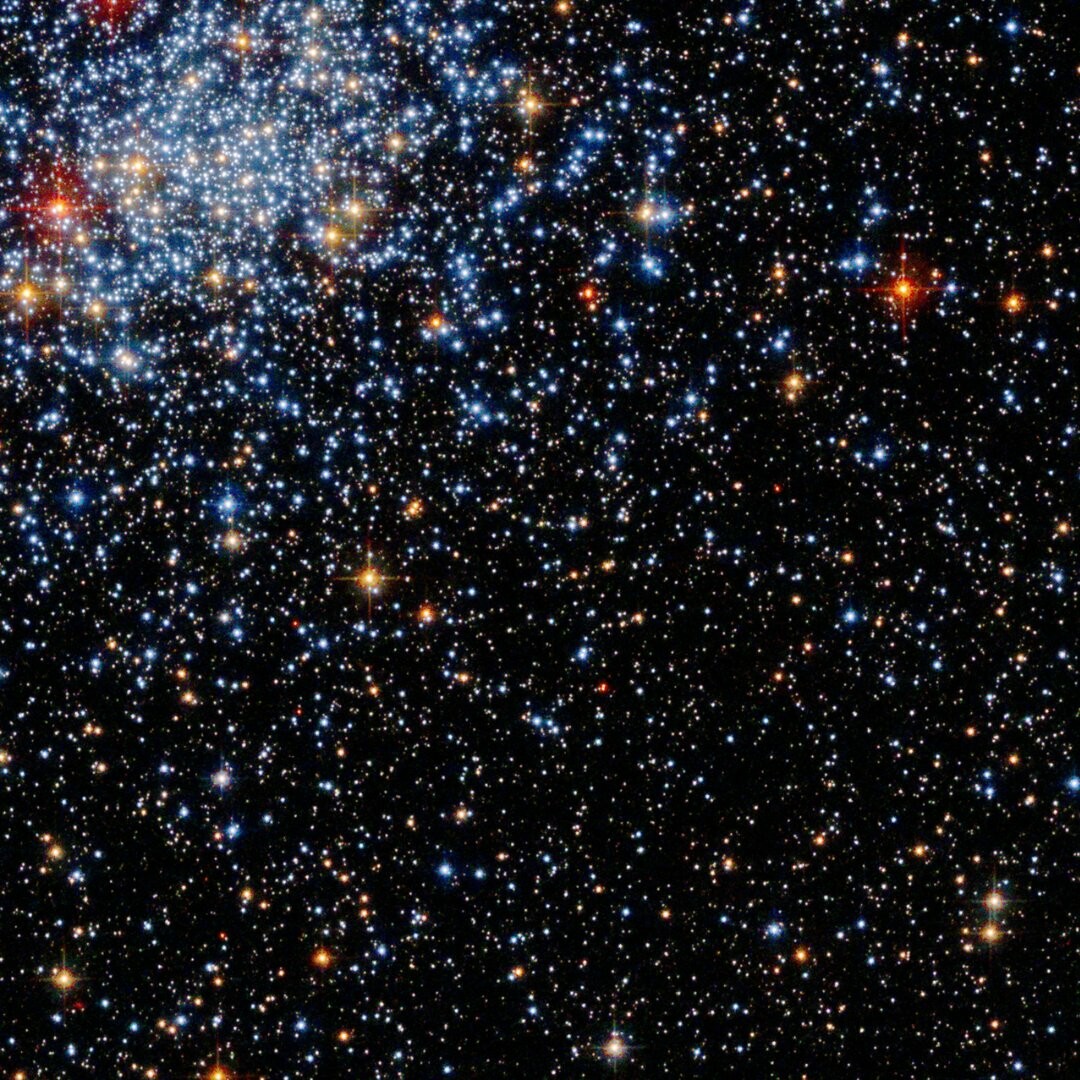
The last image in our star cluster celebration shows NGC 1850, about 160,000 light-years away.
It includes ultraviolet observations, which are ideal for detecting light from the hottest and youngest stars, as seen in this luminous view.
#Hubble
NASA · @nasa
28949 followers · 6050 posts · Server social.beachcom.org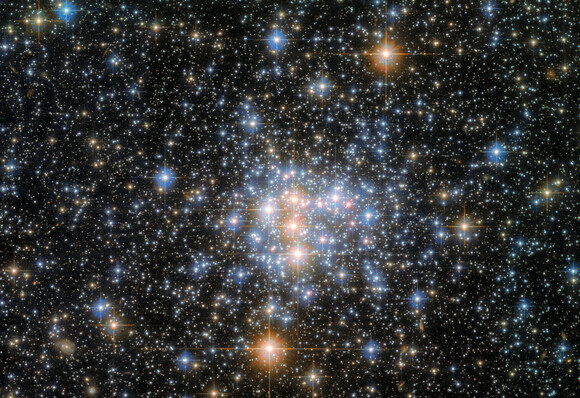
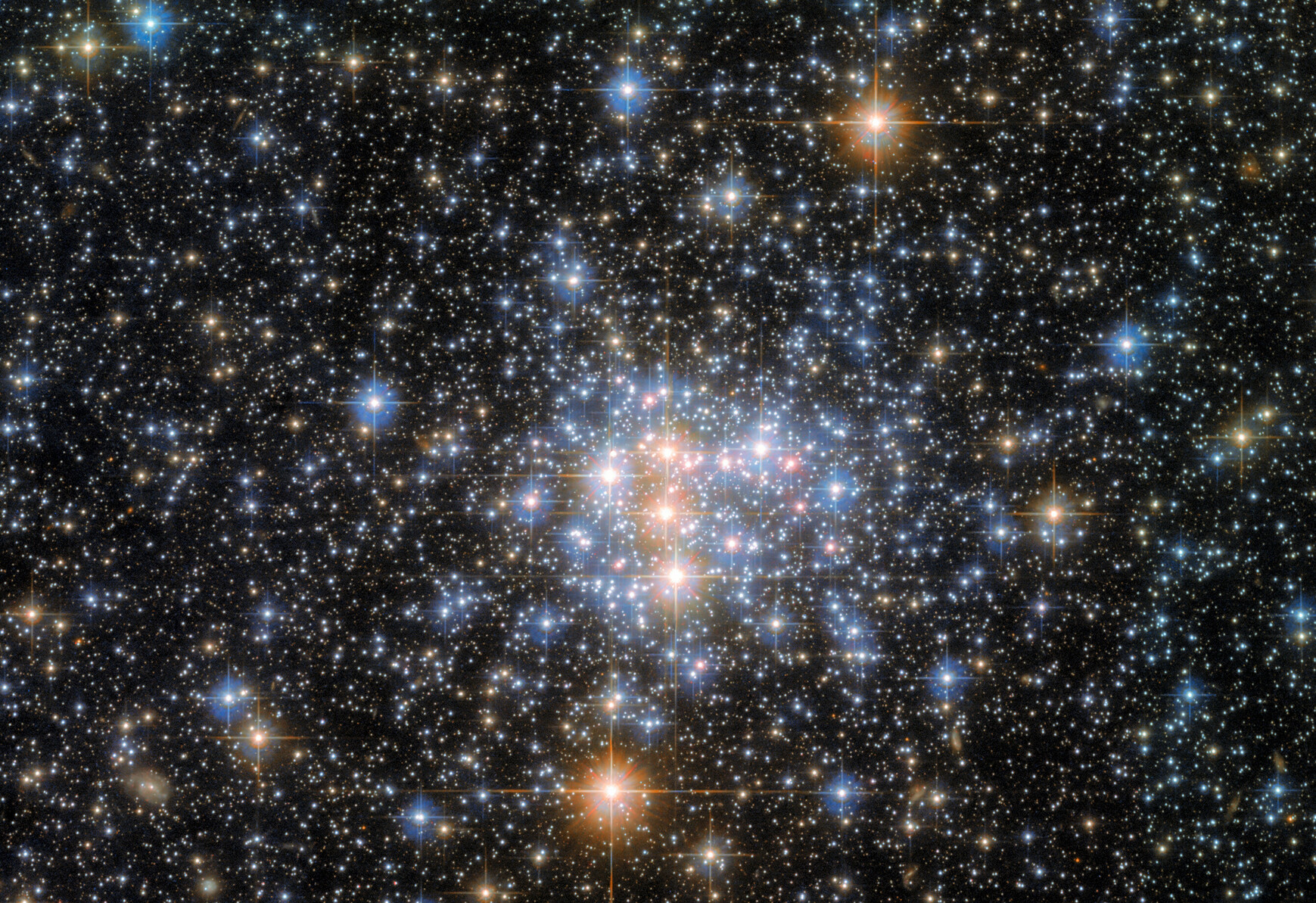
"Small" but mighty!
Inside the Small Magellanic Cloud, a satellite galaxy to our Milky Way, is the star cluster NGC 376.
Seen in this #HubbleFriday view, NGC 376 is made of stars that are loosely bound together by gravity: https://go.nasa.gov/3BmGKoN
#StarrySights
#Hubble
#hubblefriday #starrysights #hubble

Andrea Gianopoulos · @ladyastronomer
31 followers · 25 posts · Server universeodon.com
On the final day of #StarrySights #NASA #Hubble gave to us --
Bright blue-white and orange #stars in the open cluster NGC 376. 🤩
https://www.nasa.gov/image-feature/goddard/2022/hubble-captures-a-glittering-neighbor
#starrysights #nasa #hubble #stars #astronomy #Astrodon #astrophotography #hubblefriday

Daryl Manning · @awws
91 followers · 828 posts · Server mastodon.social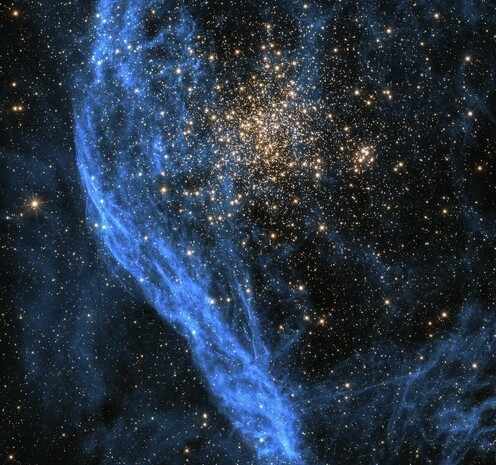
RT @NASAHubble@twitter.com
A #StarrySights stunner! 😍
Welcome to NGC 1850, a star cluster about 160,000 light-years away in a satellite galaxy to our own Milky Way, known as the Large Magellanic Cloud.
Read more: https://go.nasa.gov/3VIoe2u
🐦🔗: https://twitter.com/NASAHubble/status/1600928684948525066
Daryl Manning · @awws
91 followers · 828 posts · Server mastodon.social
RT @chandraxray@twitter.com
The destruction of a planet may sound like science fiction, but in this cluster of stars at our galaxy’s edge it may be exactly what happened! A white dwarf star likely snatched a planet from its host star & tore it apart with gravity. https://s.si.edu/2uUrtHz #StarrySights
🐦🔗: https://twitter.com/chandraxray/status/1600156211273338881

Theo · @darkellysio
16 followers · 316 posts · Server universeodon.com
RT @NASAHubble@twitter.com
A #StarrySights stunner! 😍
Welcome to NGC 1850, a star cluster about 160,000 light-years away in a satellite galaxy to our own Milky Way, known as the Large Magellanic Cloud.
Read more: https://go.nasa.gov/3VIoe2u
🐦🔗: https://twitter.com/NASAHubble/status/1600928684948525066
NASA · @nasa
28697 followers · 6045 posts · Server social.beachcom.org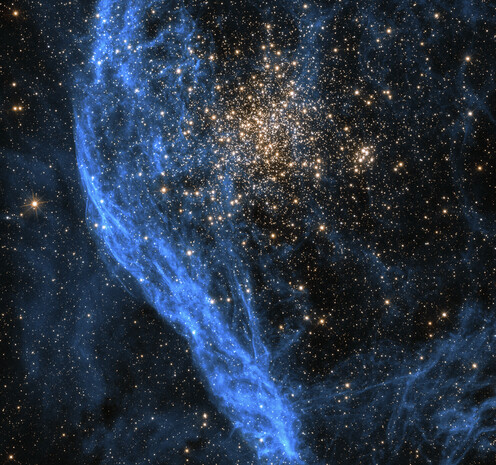
A #StarrySights stunner! 😍
Welcome to NGC 1850, a star cluster about 160,000 light-years away in a satellite galaxy to our own Milky Way, known as the Large Magellanic Cloud.
Read more: https://go.nasa.gov/3VIoe2u
#Hubble
Andrea Gianopoulos · @ladyastronomer
31 followers · 25 posts · Server universeodon.com
#NASA #Hubble Captures Dual Views of an Unusual Star Cluster
While these two images may look dazzlingly different, they are actually pictures of the same cosmic object, NGC 1850. This 100 million-year-old globular cluster is located in the Large Magellanic Cloud and is approximately 160,000 light-years away in the constellation Dorado.
#nasa #hubble #astronomy #Astrodon #astrophotography #stars #starrysights
Andrea Gianopoulos · @ladyastronomer
24 followers · 17 posts · Server universeodon.com
On the seventh day of #StarrySights #NASA #Hubble gave to me -- brilliant blue globular cluster NGC 2031 and its population of #Cepheid variable stars.
https://www.nasa.gov/image-feature/goddard/2022/hubble-beholds-brilliant-blue-star-cluster
#starrysights #nasa #hubble #cepheid #astronomy #Astrodon #astrophotography #stars
NASA · @nasa
28286 followers · 6032 posts · Server social.beachcom.org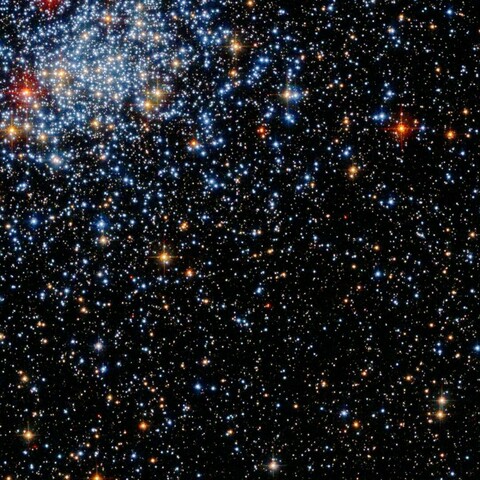
Shine bright like NGC 2031 💎
Hubble's next #StarrySights image shows a cluster that resides about 150,000 light-years from Earth in an extremely dense region of the Large Magellanic Cloud, which is a satellite galaxy of our own Milky Way.
For more: https://go.nasa.gov/3Hgfc8z
#Hubble
NASA · @nasa
28267 followers · 6030 posts · Server social.beachcom.org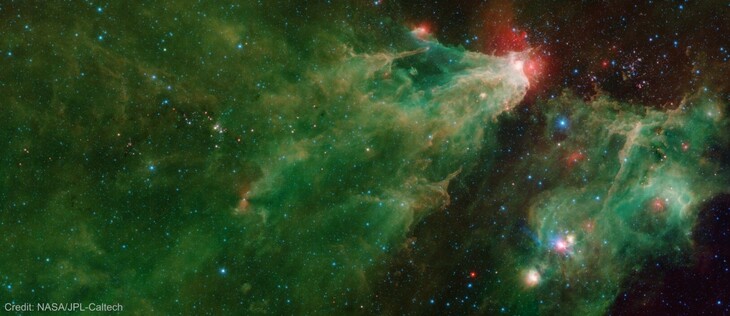
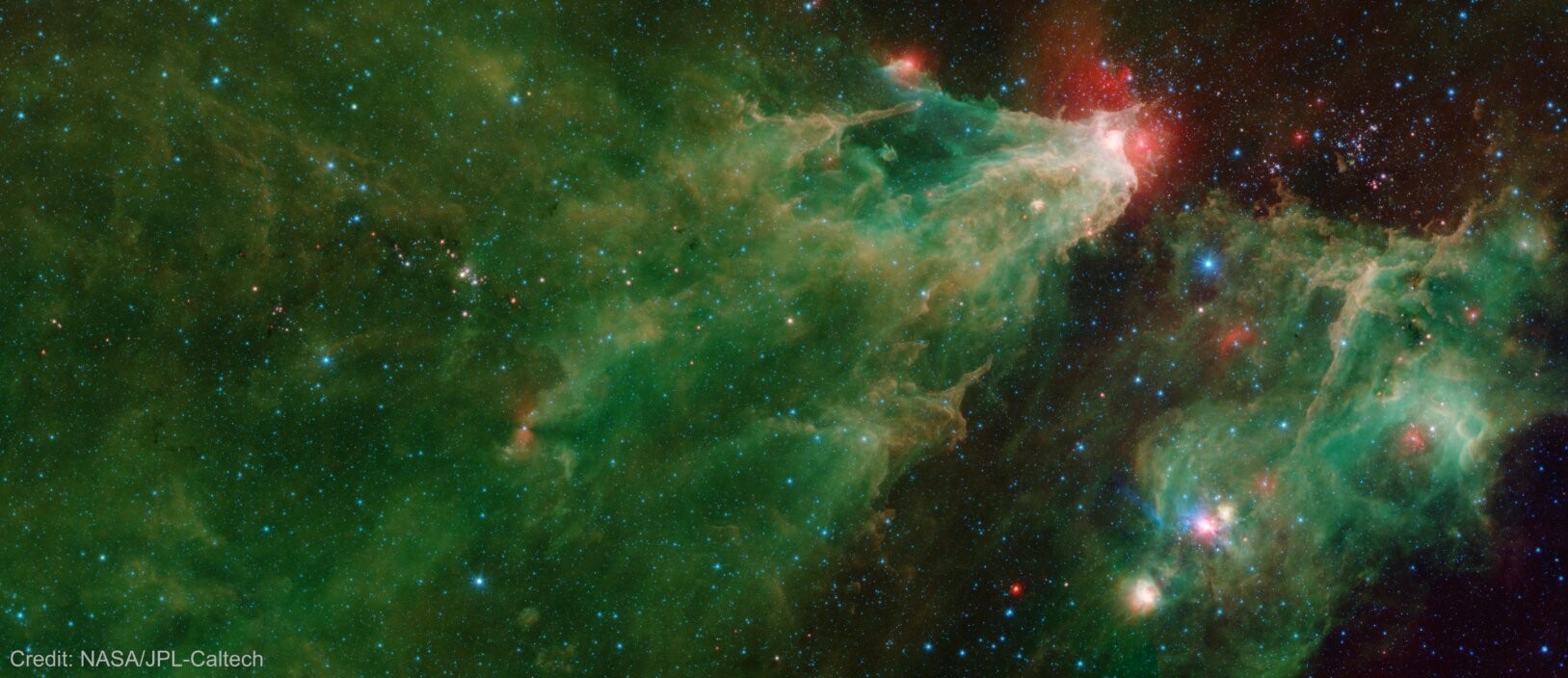
Sometimes the stars that grow up together … stay together! This large infrared mosaic captured by our Spitzer telescope is a multigenerational “family portrait” of multiple clusters of stars born from the same dense clumps of gas and dust: https://go.nasa.gov/3VUQZbW #StarrySights
#NASAUniverse
Andrea Gianopoulos · @ladyastronomer
24 followers · 16 posts · Server universeodon.com
On the sixth day of #StarrySights #NASA #Hubble gave to me -- a splash of bright-blue stars tucked in clouds of crimson gas and dust.
#starrysights #nasa #hubble #astronomy #Astrodon #astrophotography #stars
NASA · @nasa
27775 followers · 6005 posts · Server social.beachcom.org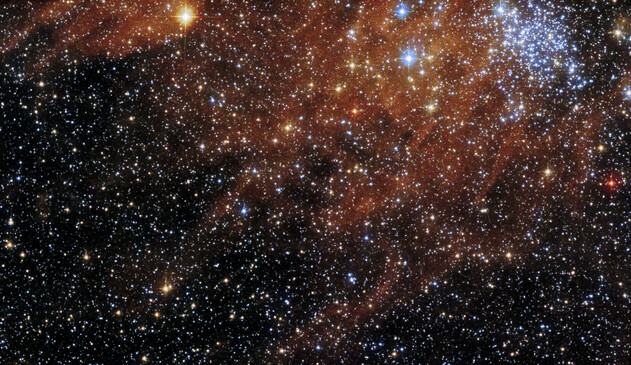
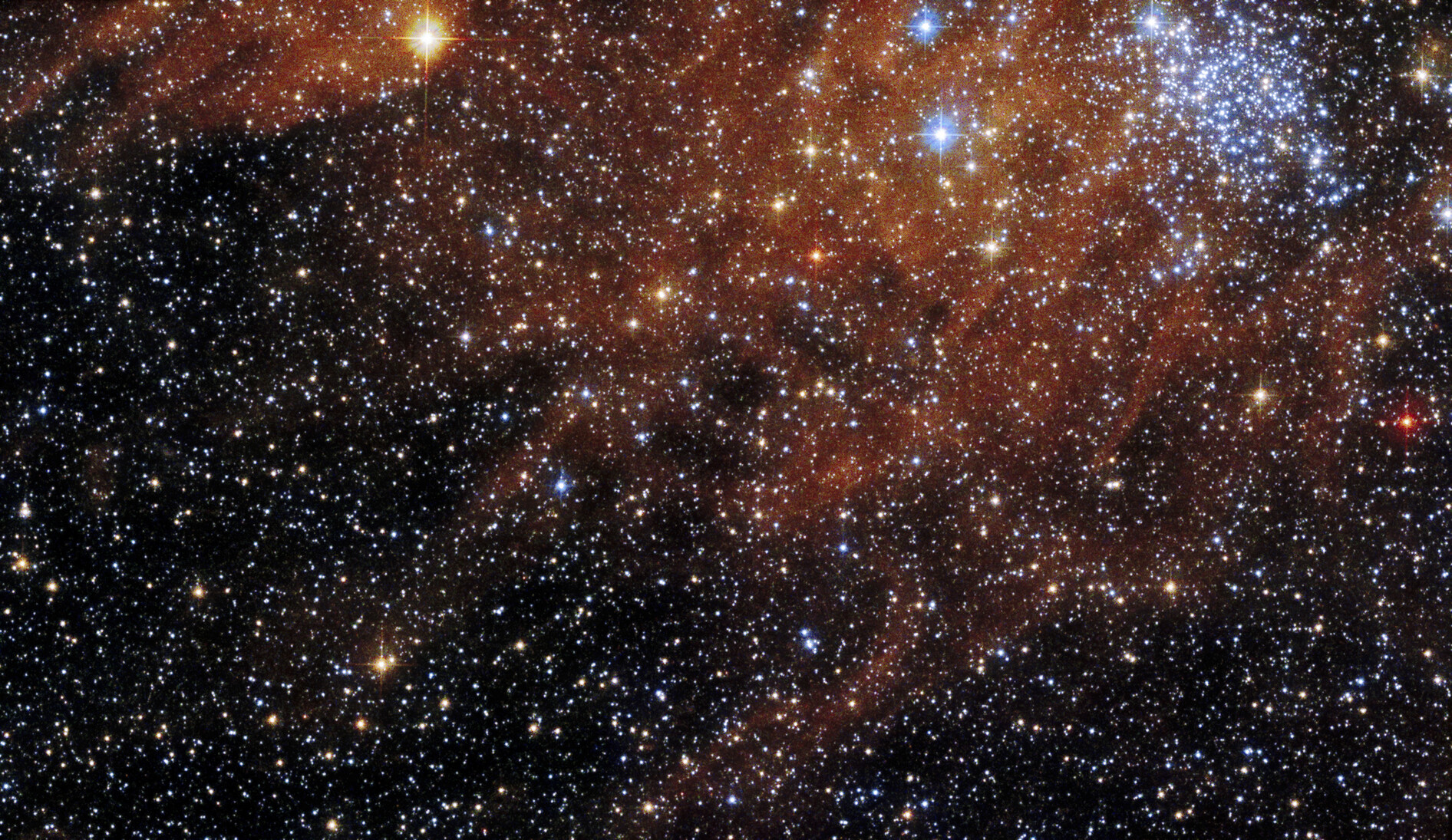
The latest of our #StarrySights is tucked away in the top right corner of this new Hubble image!
KMHK 1231 is an open star cluster surrounded by plumes of crimson gas and dust where new stars may someday form.
Learn more: https://go.nasa.gov/3Uzftq3
#Hubble

waysideollie · @waysideollie
34 followers · 139 posts · Server mastodon.sdf.org
NASA · @nasa
27361 followers · 5977 posts · Server social.beachcom.org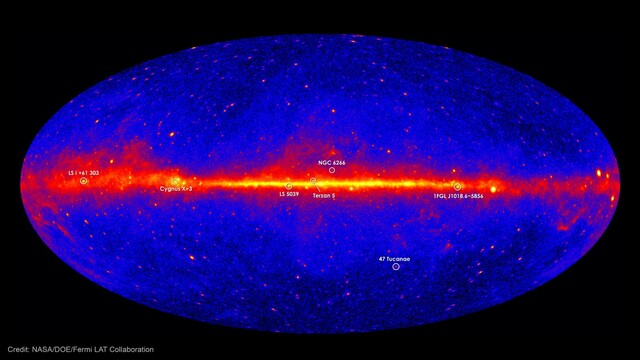
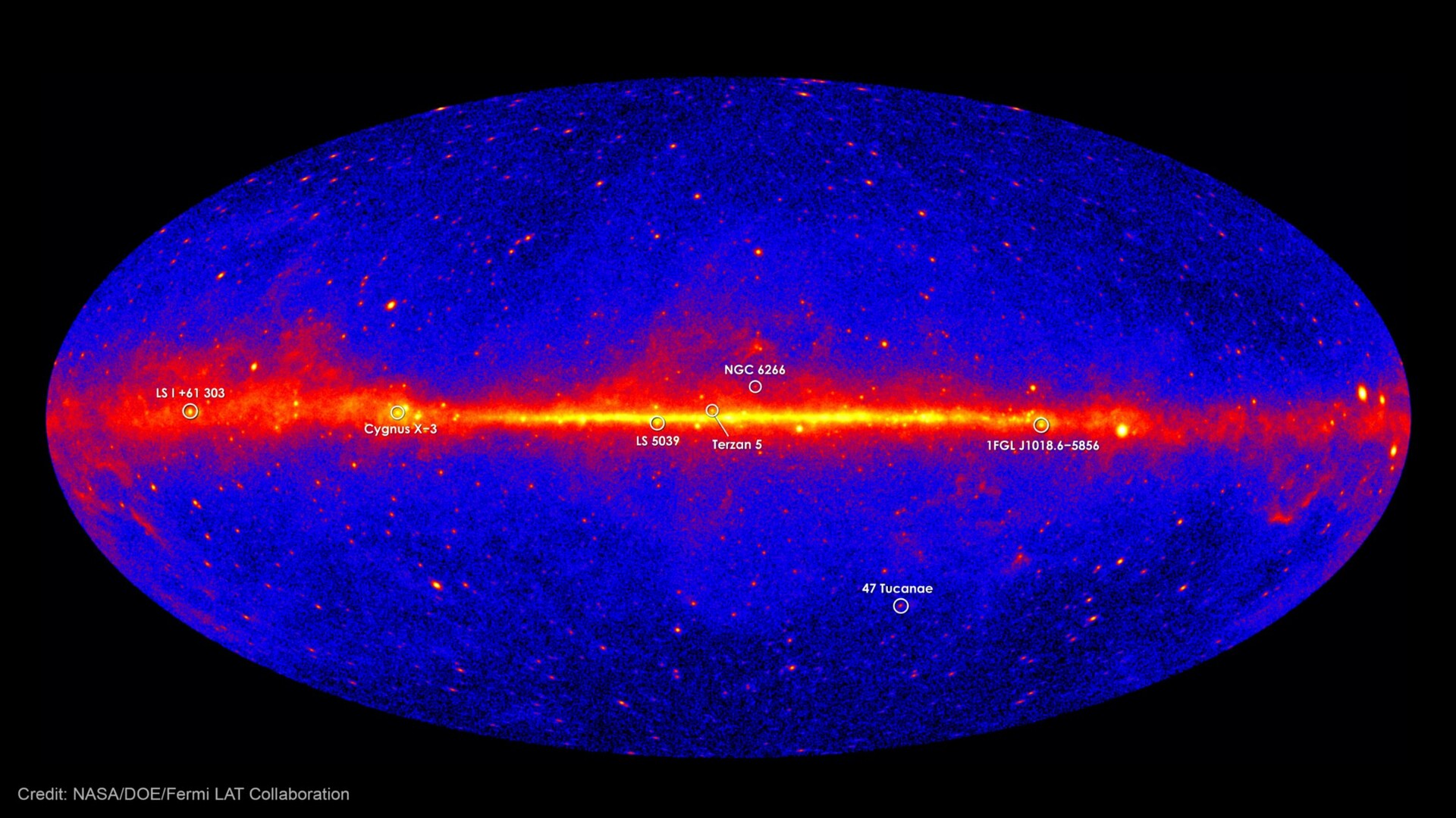
Some massive star clusters shine bright for our Fermi telescope’s gamma-ray eyes due to the numerous fast-spinning pulsars they are likely to contain. This sky map highlights three of our galaxy’s largest globular clusters plus a few notable binary star systems. #StarrySights
#NASAUniverse
NASA · @nasa
27313 followers · 5938 posts · Server social.beachcom.org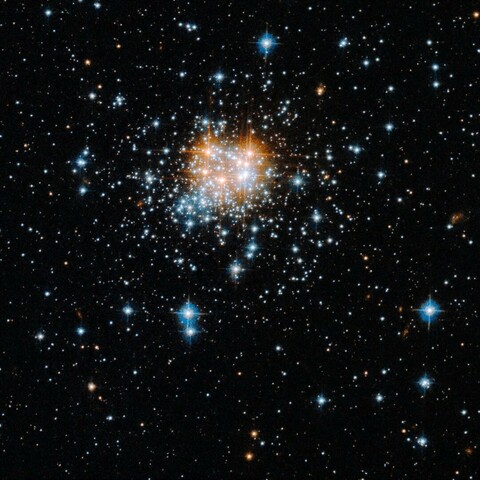
Let’s go supergiant spotting!
This new #StarrySights image shows NGC 2002, an open star cluster 30 light-years across.
At its center, you can spy red supergiants – massive stars that are fusing helium after exhausting their hydrogen fuel: https://go.nasa.gov/3isScZs
#Hubble
Andrea Gianopoulos · @ladyastronomer
24 followers · 14 posts · Server universeodon.com
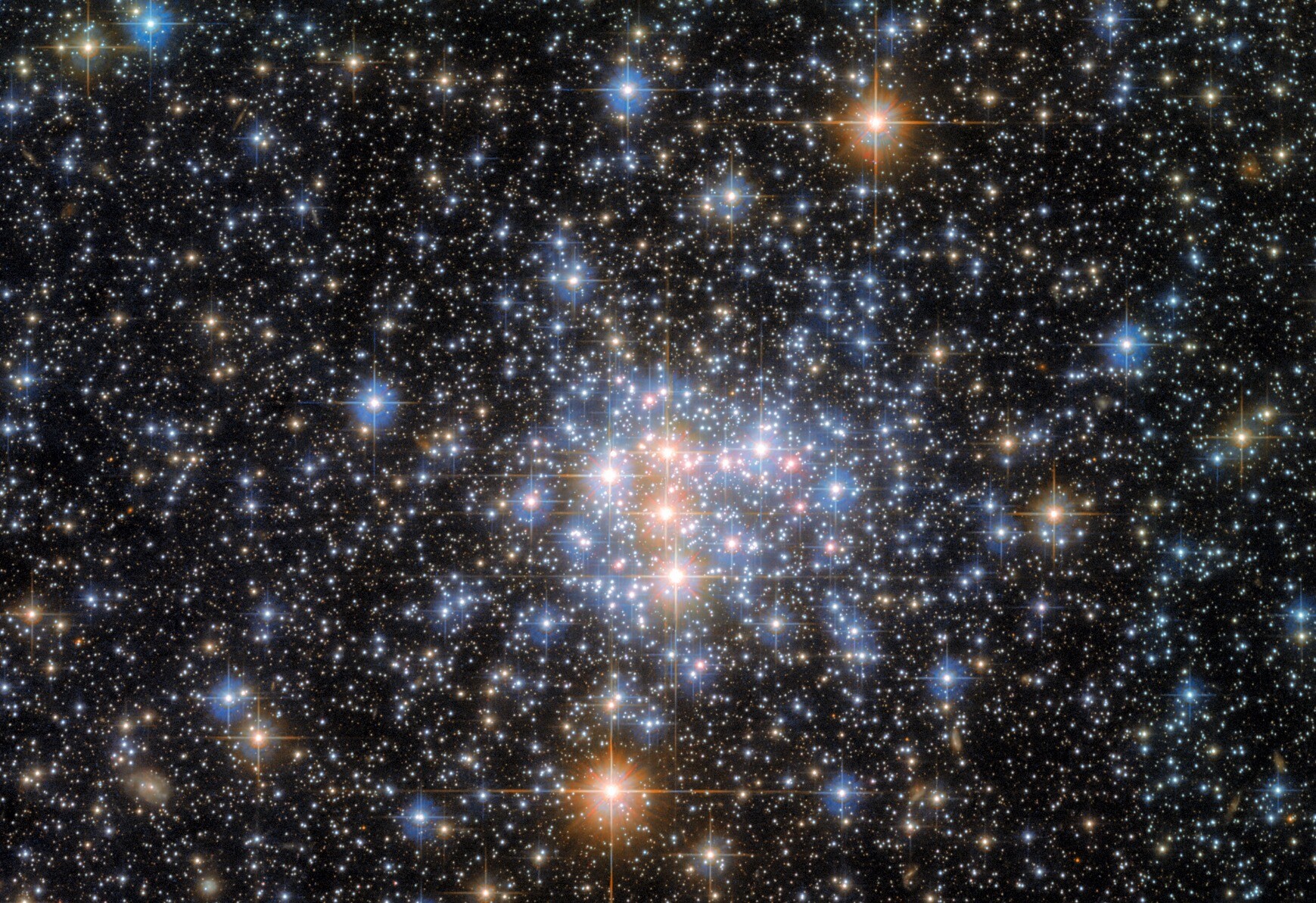



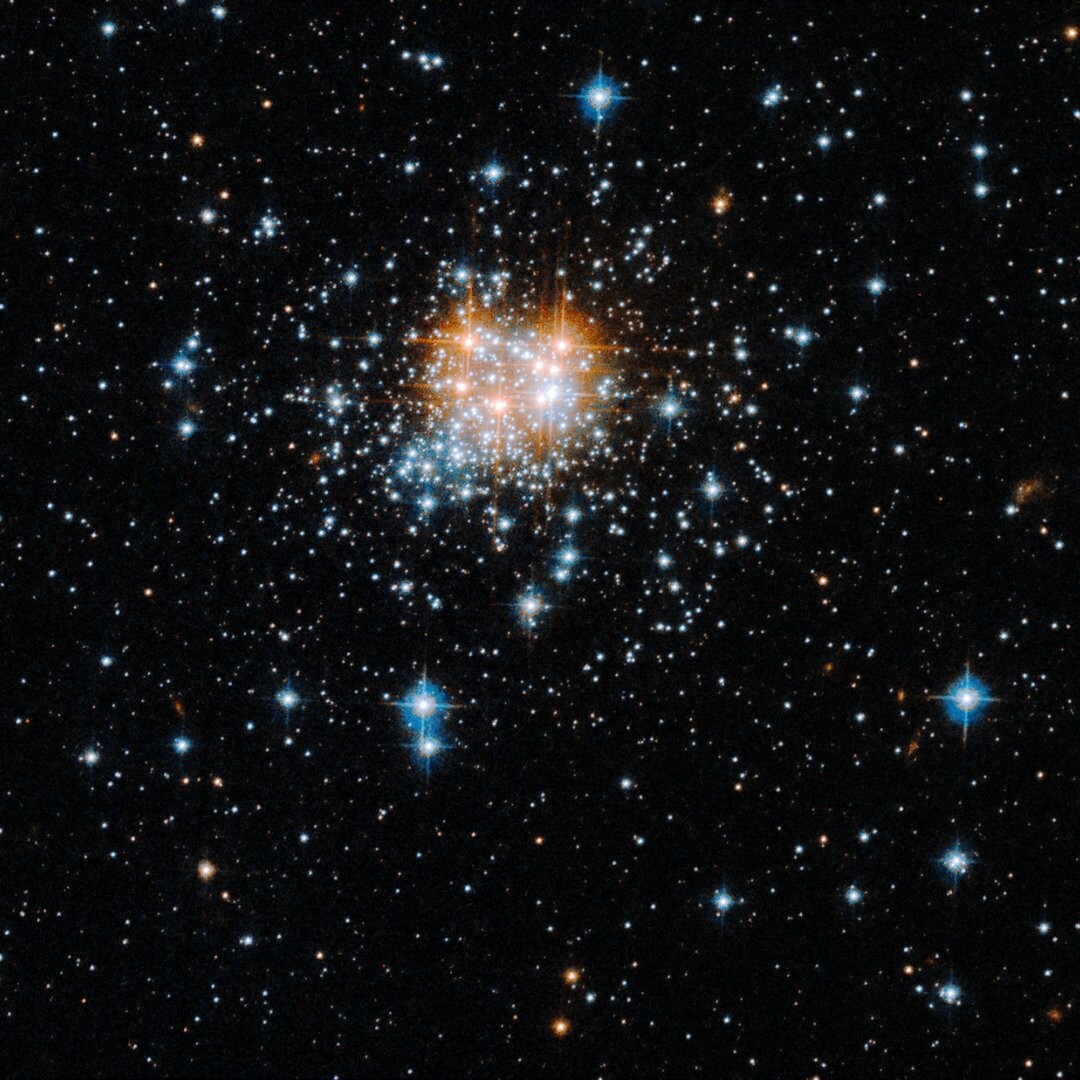

On the sixth day of #StarrySights #NASA #Hubble gave to me -- A twinkling open cluster some 160,000 light-years away! 🤩
https://www.nasa.gov/image-feature/goddard/2022/hubble-observes-an-outstanding-open-cluster
#astronomy #Astrodon #astrophotography #Stars #LargeMagellanicCloud
#starrysights #nasa #hubble #astronomy #Astrodon #astrophotography #stars #largemagellaniccloud

LlandyrnogAstro Soc · @LlandyrnogAstro
3 followers · 22 posts · Server mstdn.socialRT @NASAHubble@twitter.com
#StarrySights & starry sounds!
This is a data sonification of the star cluster Caldwell 73. Scientists assigned sounds to different aspects of the image for a new way of experiencing the information in it!
Listen to more sonifications: https://go.nasa.gov/3Vs7IUa
🐦🔗: https://twitter.com/NASAHubble/status/1599056716649439237
NASA · @nasa
26014 followers · 5909 posts · Server social.beachcom.org#StarrySights & starry sounds!
This is a data sonification of the star cluster Caldwell 73. Scientists assigned sounds to different aspects of the image for a new way of experiencing the information in it!
Listen to more sonifications: https://go.nasa.gov/3Vs7IUa
#Hubble